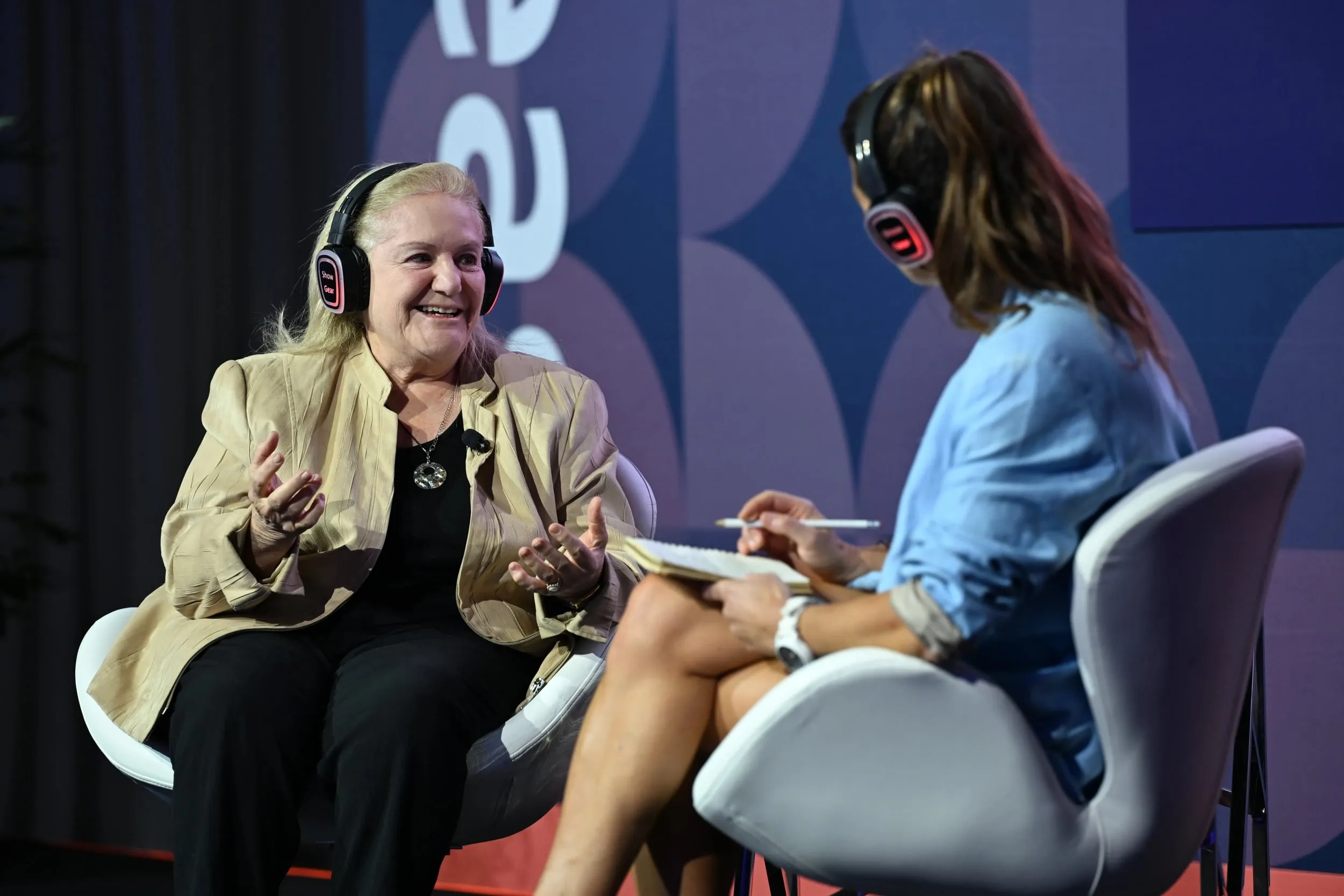
With the FIFA World Cup behind it, the Super Bowl ahead and LA28 on the horizon, Los Angeles is in the middle of a once-in-a-generation transformation. Adam Burke, CEO of LA Tourism, tells Iain Stirling at IMEX America why the next three years are a watershed moment for the city’s business events sector.
 A year is a long time in Los Angeles. Since CMW last sat down with Adam Burke, the city has worked through its wildfire recovery, welcomed 500,000 visitors during the FIFA World Cup and opened a string of major cultural attractions. Meanwhile, the convention centre expansion is on track and already winning business the city could never previously compete for.
Speaking at IMEX America in Las Vegas, Burke explains what that means for planners – and why 2027 and 2028 may be the best time yet to bring an event to LA.
Iain Stirling – How would you describe the state of LA’s business events sector compared with a year ago?
Adam Burke – We’re going through a renaissance, and I’d put it under four headings: infrastructure, attractions, major events and the way our community has embraced the industry.
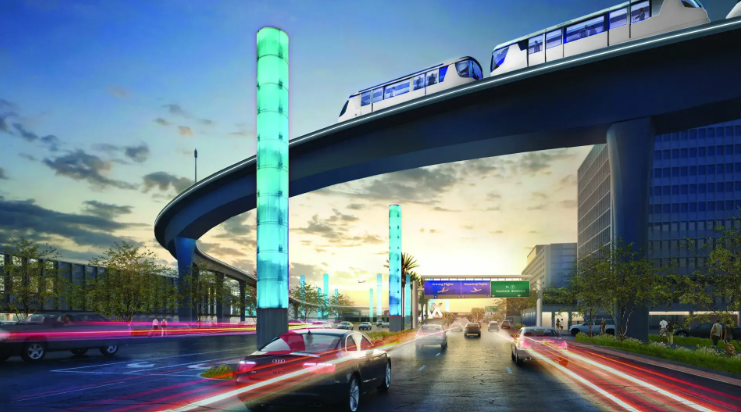
Start with getting here. The Metro connection from LAX is now fully operational and will take you downtown in 35 minutes – think of it as our Heathrow Express. Skylink, LAX’s automated people mover, is in operational testing and due to open by early 2027. It will take rental car and hotel shuttles out of the airport loop and cut traffic there by about 40%. The airport is also putting the LA back in LAX, with a curated art programme, a new graphic identity and restaurants and retail that reflect the city’s personality.
Safety matters to planners in any urban destination. LA Metro’s CEO, Stephanie Wiggins, is very data-driven, and with the network expanding so dramatically, Metro now has its own police force and its first ever chief of police, alongside uniformed ambassadors. That has done a tremendous job of improving the rider experience, and it gives planners real confidence when they’re moving thousands of delegates around the city.
IS – The convention centre expansion is the big infrastructure story. Where does it stand?
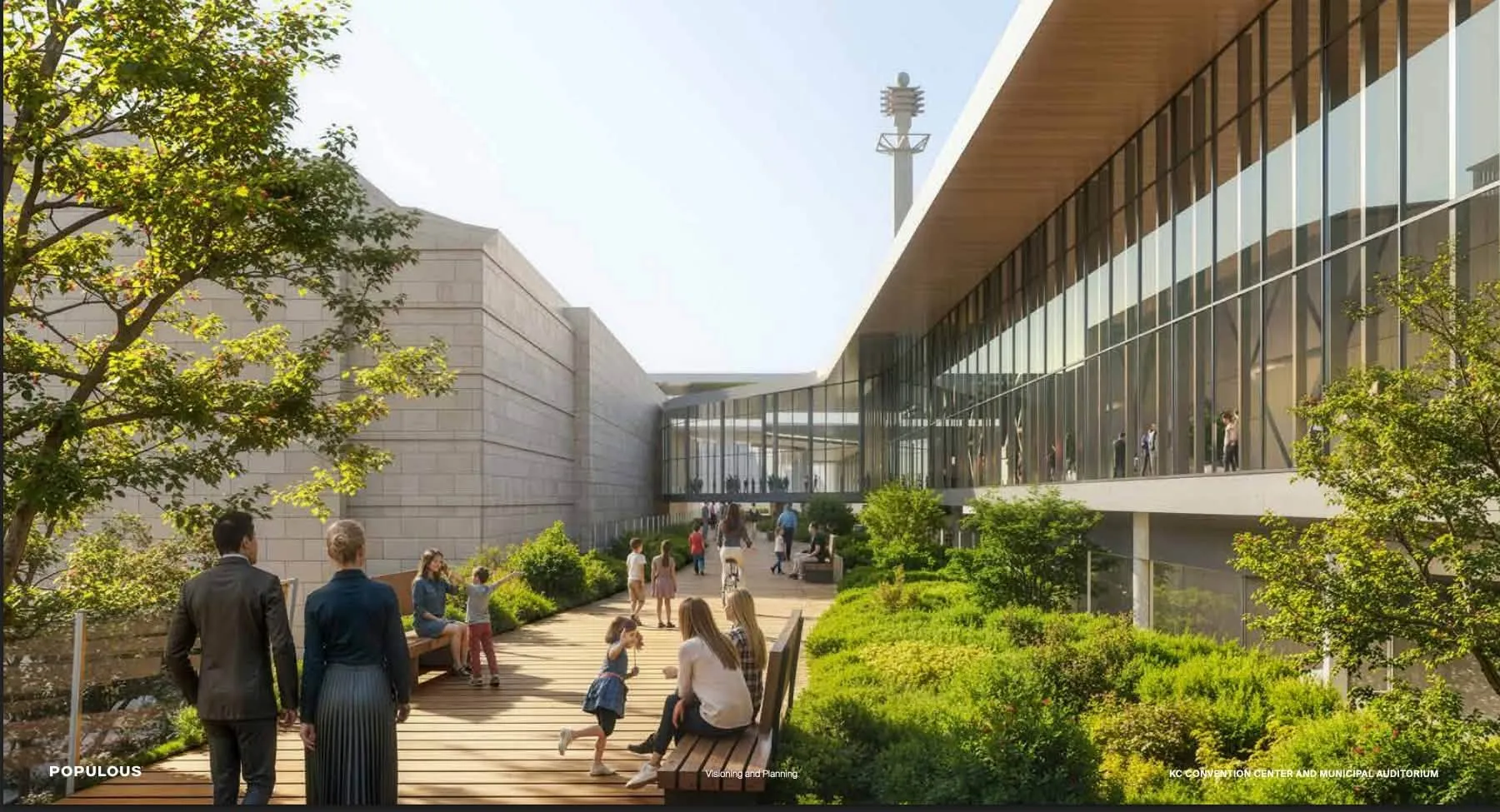
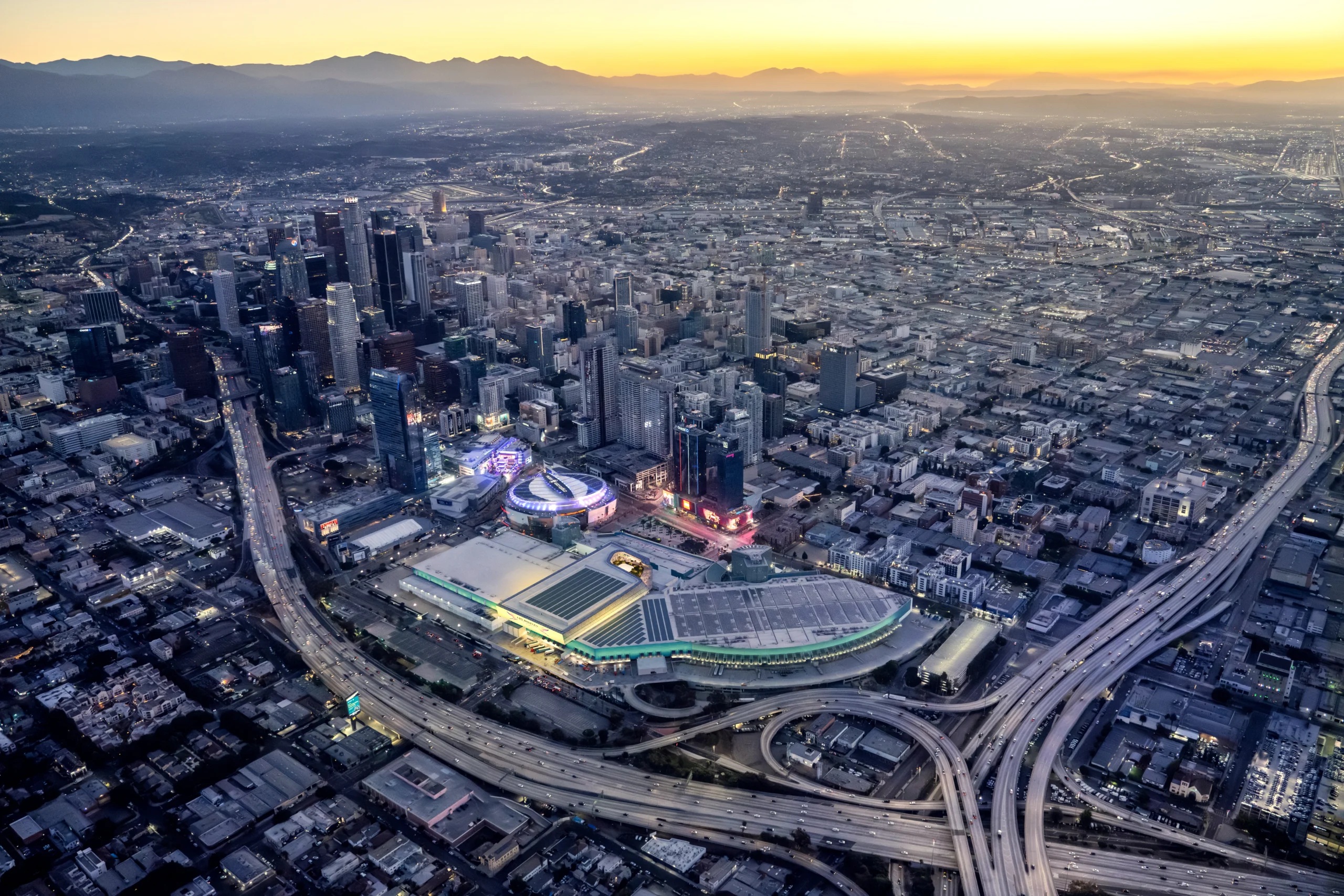
AB – It’s completely on track, and the business case is simple. Before this expansion, 90% of the top 250 US citywide conventions met in just 20 destinations, and LA wasn’t one of them because we could only offer 350,000 sq ft of contiguous space. The expansion takes that to more than 750,000 sq ft, making us the sixth largest centre in the country by contiguous space.
Populous has also made it unmistakably an LA building. Some centres feel like four walls you could transplant anywhere. Here, the new central core connecting the West and South halls is lit by Sky Node, one of the largest skylights in any facility. On top sits a two-acre, column-free ballroom of more than 98,000 sq ft that can be split into more than 20 meeting spaces, plus more than 10,000 sq ft of outdoor space with views of the skyline. Since the expansion was announced, we’ve secured 18 new citywide conventions we could never have hosted before, worth more than $405 million in new economic activity.
IS – Will construction of the centre or the Games disrupt events?
AB – The centre stays fully open. The gap between the West and South halls – I call it the missing Tetris piece – means we can build the core while both halls keep operating.
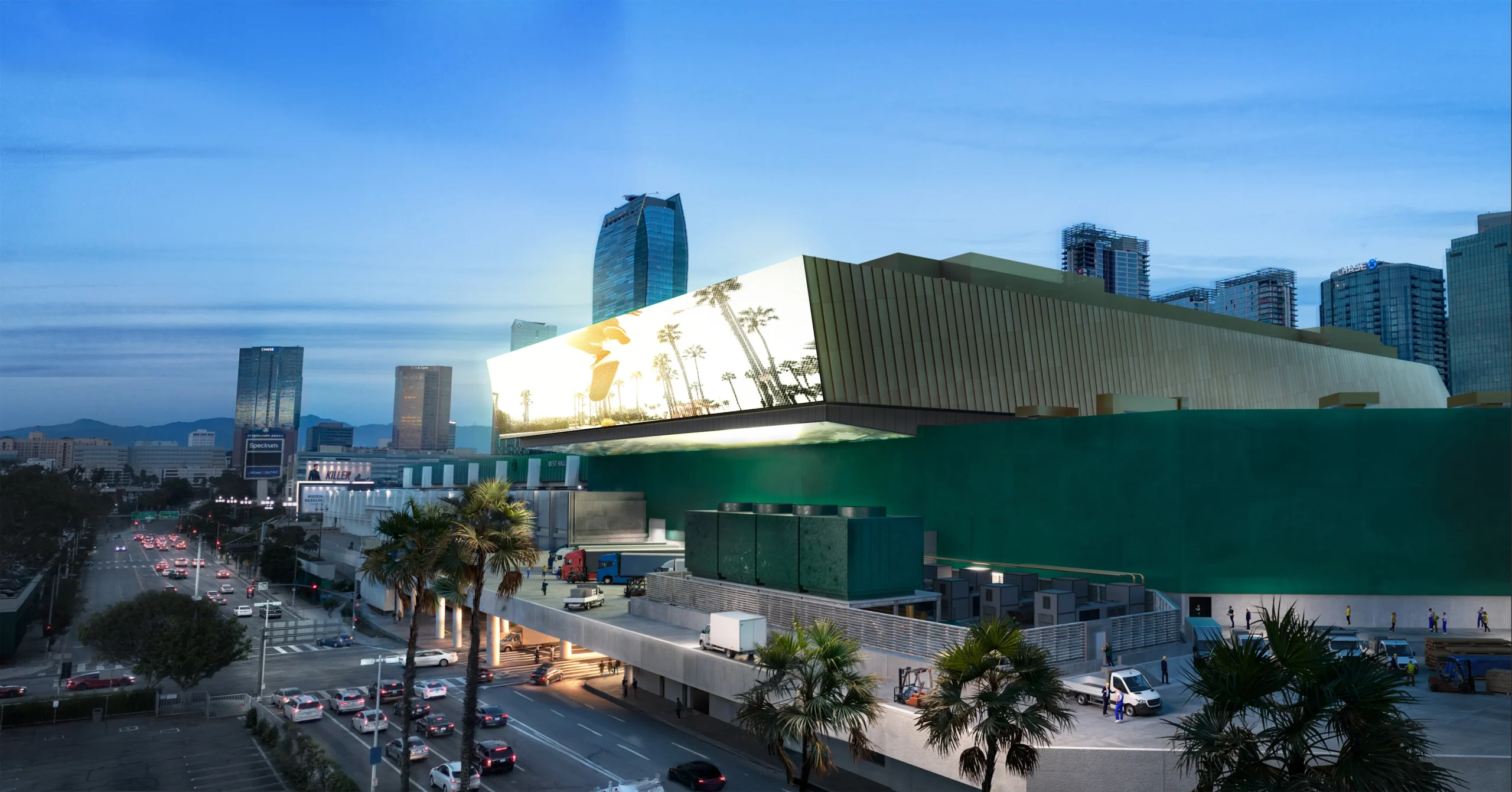
We deliberately avoided an Olympic deadline, because a hard stop invites construction delays. Instead the work is phased. When the IOC takes the building over as a sterile security site for the Olympic and Paralympic Games, construction will pause with about 85% complete, including all exterior work. The rest follows the Games, with the full expansion finished by spring 2029 – that’s when we’re selling full-building use. We’re booking around the IOC period, and as citywides book five to 10 years out, that’s manageable: the furthest of our 18 new conventions is in 2037.
IS – What’s new for planners on the attractions front?
AB – We’ve been incredibly fortunate with private investment, especially in arts and culture. The David Geffen Galleries at LACMA opened earlier this year and have transformed that stretch of Wilshire Boulevard.
We’ve also just opened the Lucas Museum of Narrative Art, the legacy project of George Lucas and Mellody Hobson. It houses five decades of his collection, and Mellody describes it as walking around George’s brain, because he loves the unsung artists – illustrators, comic book artists, Americana. Alongside the Star Wars canon you’ll find more than 150 Norman Rockwells, a gallery devoted to Maxfield Parrish and comic book art through the ages. For planners, the key point is how much purpose-built event space has been designed in – the green roof isn’t open to the public, it’s a private event deck.
Next month the Samuel Oschin Air and Space Center opens at the California Science Center. I love it when someone stays with an institution long enough to see a crazy vision become reality. In the early 1990s, CEO Jeff Rudolph told his board he would bring a space shuttle to LA. The only problem was that every shuttle was still in service. His answer: ‘Detail, we’ll figure it out.’ He showed me drawings from 1993 – he always believed the only way to properly see a shuttle was vertically, in launch position.
Now Endeavour will be the only space shuttle in the world displayed that way. It’s mounted with the last remaining original external fuel tank and solid rocket boosters that flew on actual missions, and visitors ride up in a gantry-style lift like the one the astronauts used. There’s even an introductory film by J.J. Abrams. I’ve seen it in preview, and it’s jaw-dropping – an extraordinary backdrop for an event.
The Getty and the La Brea Tar Pits will also close in 2027 for major capital projects and reopen in time for the Olympics. The experience keeps evolving.
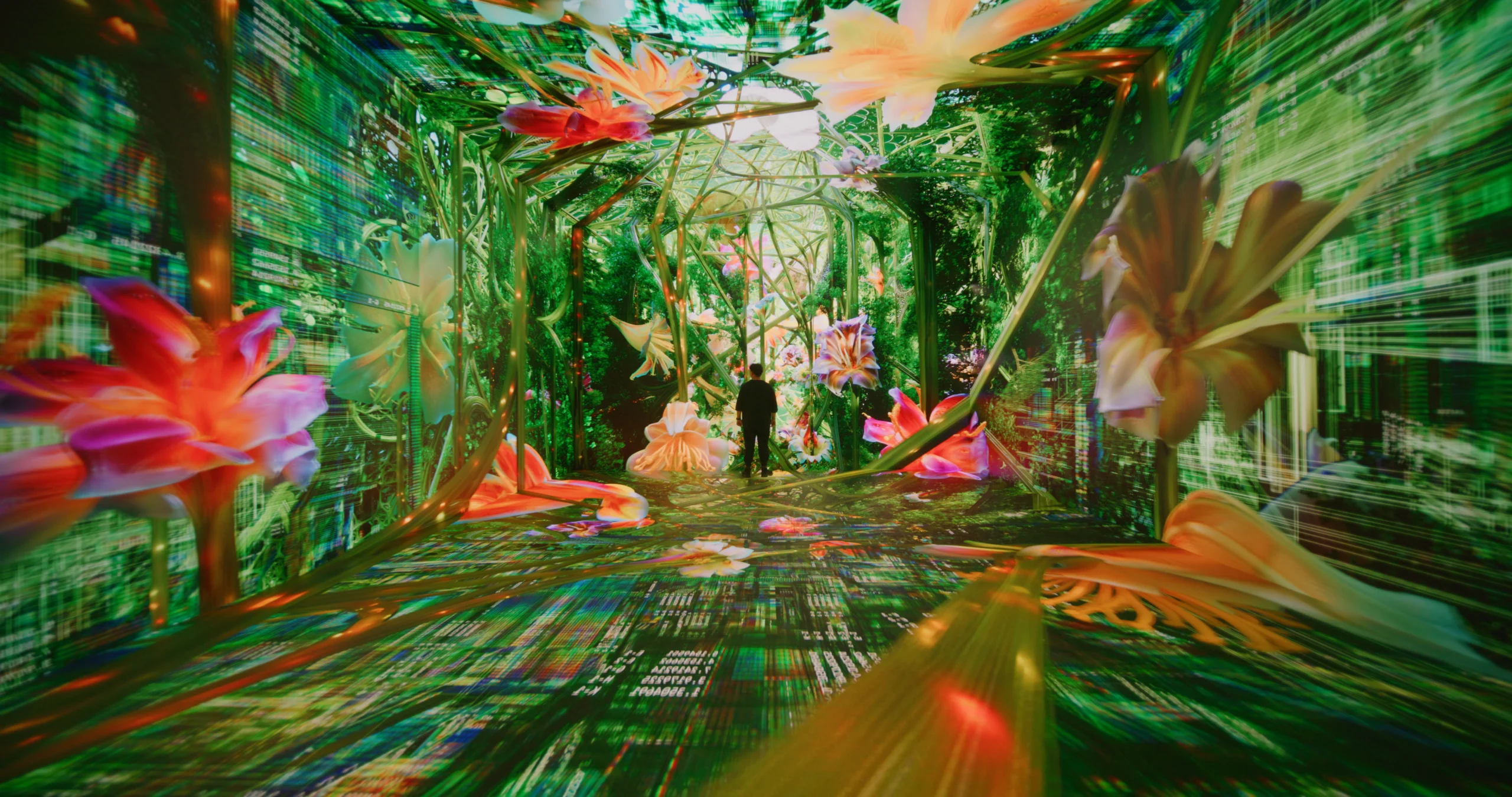
DATALAND – Machine Dreams: Rainforest
IS – What does the run of major events say to planners?
AB – If I’m a planner, I want confidence that a destination can deliver – and deliver something bespoke. Look at who is choosing LA: the NFL, the NBA, FIFA, the IOC. These are global organisations that could go anywhere. George Lucas chose LA for his legacy project, and Destination Crenshaw will be the largest public art installation dedicated to Black Los Angeles. With an awards or fashion season practically every month, we always have to be red carpet ready. That level of confidence tells planners we can deliver at scale, and customise at scale.
IS – How has the FIFA World Cup changed the way international planners see LA?
AB – In the current climate, many international visitors have reservations about travelling to the US. Our research shows LA has fared better than most, because we’re so diverse and home to some of the largest diaspora communities anywhere. But the organic social media from fans did more to restore confidence in the US experience than anything we could have programmed. People had to come and see for themselves. We’ve already seen a 5% increase in booking intent from Europe and the UK over the past 90 days.
We also spread the activity out. We welcomed 500,000 visitors over 39 days, but rather than a 39-day fan fest we ran a sold-out four-day event at the LA Memorial Coliseum, plus 10 fan zones across every region – from historic South Los Angeles to Venice, Union Station and the Valley. The aim was to get visitors exploring our neighbourhoods, and people left feeling they could come back every year and have a completely different experience. That’s exactly the mindset we want planners to have.
The other surprise was public transit. International visitors don’t ask whether a big city has transit; they ask how to use it, and they ended up teaching Angelenos what a good system we have. Metro ridership rose by several hundred thousand. For planners, that means you can hold a citywide at the convention centre and take delegates by Metro to a studio backlot takeover. LA is not a car city.
IS – Where are your strongest international markets now?
AB – Asia is holding strong and Mexico is up by double digits year on year. Europe is recovering – we’d like to get back to double-digit growth, but 5% in 90 days is a healthy curve. Canada, unsurprisingly, is still down, though we’re seeing promising signs and are joining Brand USA on a mission there in two weeks.
IS – What about mobility? Autonomous vehicles are everywhere in San Francisco.
AB – Waymo has a huge presence here too, and it’s growing the market rather than cannibalising it – it’s especially popular with solo female travellers and with parents. One of the most interesting players is Archer, a World Cup sponsor whose air taxis take off and land vertically – think of a cross between a helicopter and an Osprey – so they don’t need an airstrip. Archer expects to be operating by the Games, offering an affordable way to get from LAX to downtown in record time. Much of this innovation comes through Urban Movement Labs, a public-private think tank on urban mobility.
IS – What does LA28 mean for business events?
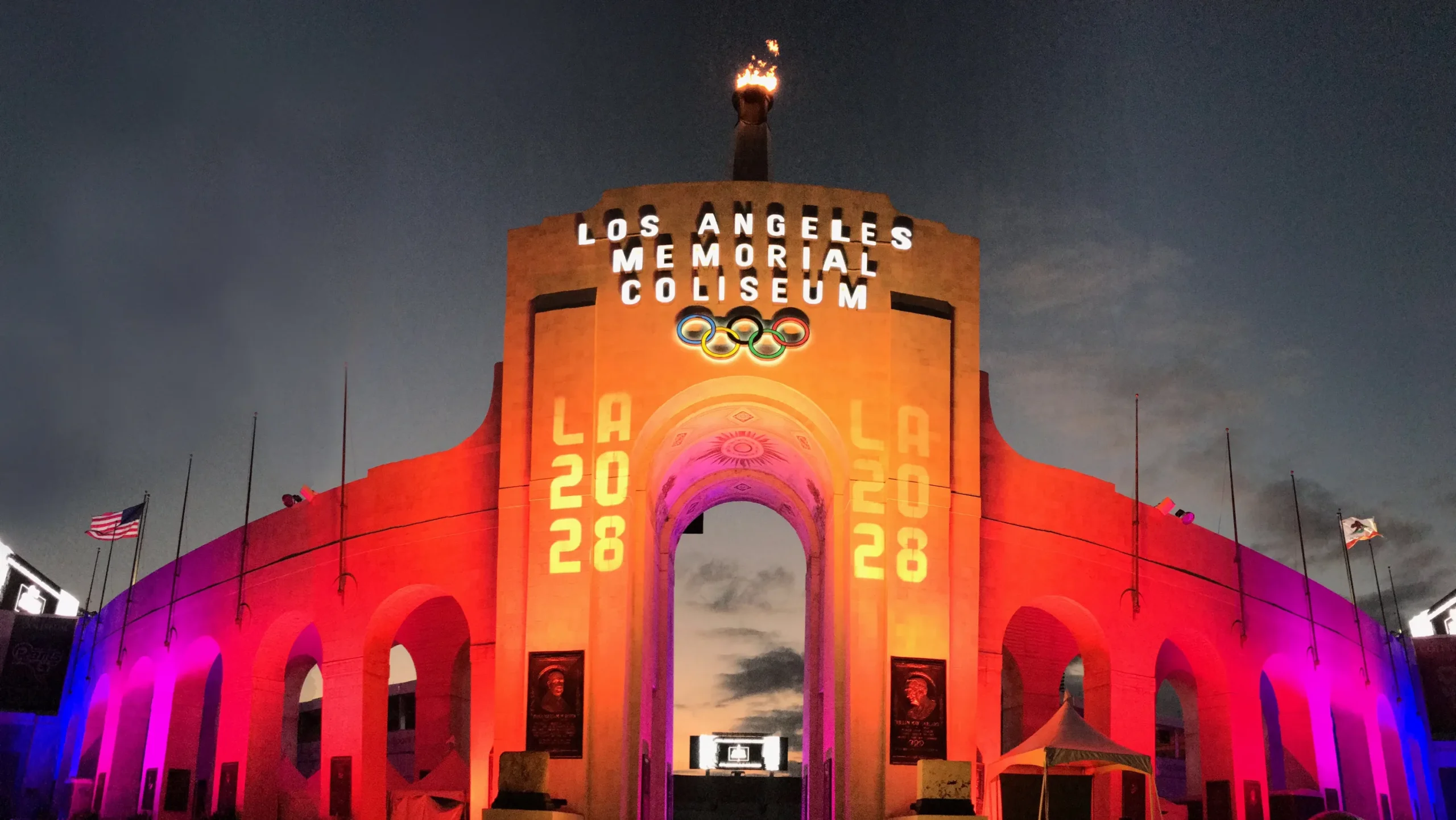
AB – This World Cup was the largest single-sport event in history, with 48 teams and 104 matches. LA28 will be the largest multi-sport event in history, with more than 15,000 athletes across more than 900 Olympic and Paralympic medal events, almost all of them here in Los Angeles.
Believe it or not, the perfect time for planners to come is 2027 and 2028. We have a no-build Olympics policy, using existing infrastructure, so where planners often avoid a host city in the run-up to a Games, there’s never been a better time than the six to 12 months beforehand. The World Cup was proof of concept for the MICE market.
IS – What are you focusing on at IMEX this year?
AB – Keeping planners up to date. Everything we’ve discussed is new in the past 12 months, so it’s about the latest product knowledge – infrastructure, the status of the convention centre and, as for any urban destination, our focus on safety and security.
IS – And if planners take away one message?
AB – That Los Angeles isn’t a single city destination. It’s six distinct regions, each with its own value proposition and world-class options for events – downtown, Hollywood, the Valley, the Westside, the beach cities and South Los Angeles. Whether it’s a 500-person meeting or a 50,000-person convention, we have the range of product and price points to make it work.
IS – How are you measuring the impact and legacy of the events you host?
AB – We still track the traditional metrics – total economic impact, employment and the size of our industry workforce. But we’re also measuring what events do for small businesses, and how we bring them into the meetings and events ecosystem.
We now run resident sentiment surveys, because something good for visitors isn’t always good for residents, and a community advisory board, separate from our governing board, makes sure what we do authentically represents LA. We were also the first urban destination in the US to join the Global Sustainable Tourism Council. We use the UN Sustainable Development Goals as a broader definition of sustainability, built on four pillars: the environment, cultural heritage, workforce development and support for small businesses.
IS – Have you seen shifts in the sectors you’re winning?
AB – Yes, and we’ve restructured around them. We remain the only individual US destination with its own offices around the world – seven overseas – which gives us a strong flow of international MICE enquiries. Our sellers still cover geographic markets, but each now also leads a vertical. The proof point was entertainment, where our specialist seller is converting roughly four in 10 leads. Every seller now covers a vertical, from tech, pharma and life sciences to education and sport, and we’re already seeing strong conversion.
IS – How does the local industry support planners?
AB – We have terrific airline partners who help bring planners in for site visits. And as a non-profit, LA Tourism has more than 1,000 local member businesses who take part in everything we do. It isn’t LA Tourism’s job to do this alone – it’s how our community shows up to welcome people.
IS – The next few years won’t be relaxing, then.
AB – You’ll never hear me complain. The next three years are a watershed moment for Los Angeles. The eyes of the world will be on us. That can seem daunting, but I see it as a phenomenal opportunity to fundamentally change perceptions of what Los Angeles is.
We’ll be running media fam trips over the next couple of years to showcase everything we’ve talked about. And the human stories behind this capital investment are fascinating – whether that’s Jeff Rudolph on bringing Endeavour to the Science Center or the team behind the Lucas Museum. They give a real sense of what these places are trying to achieve, and of the experiences planners can now build around them.