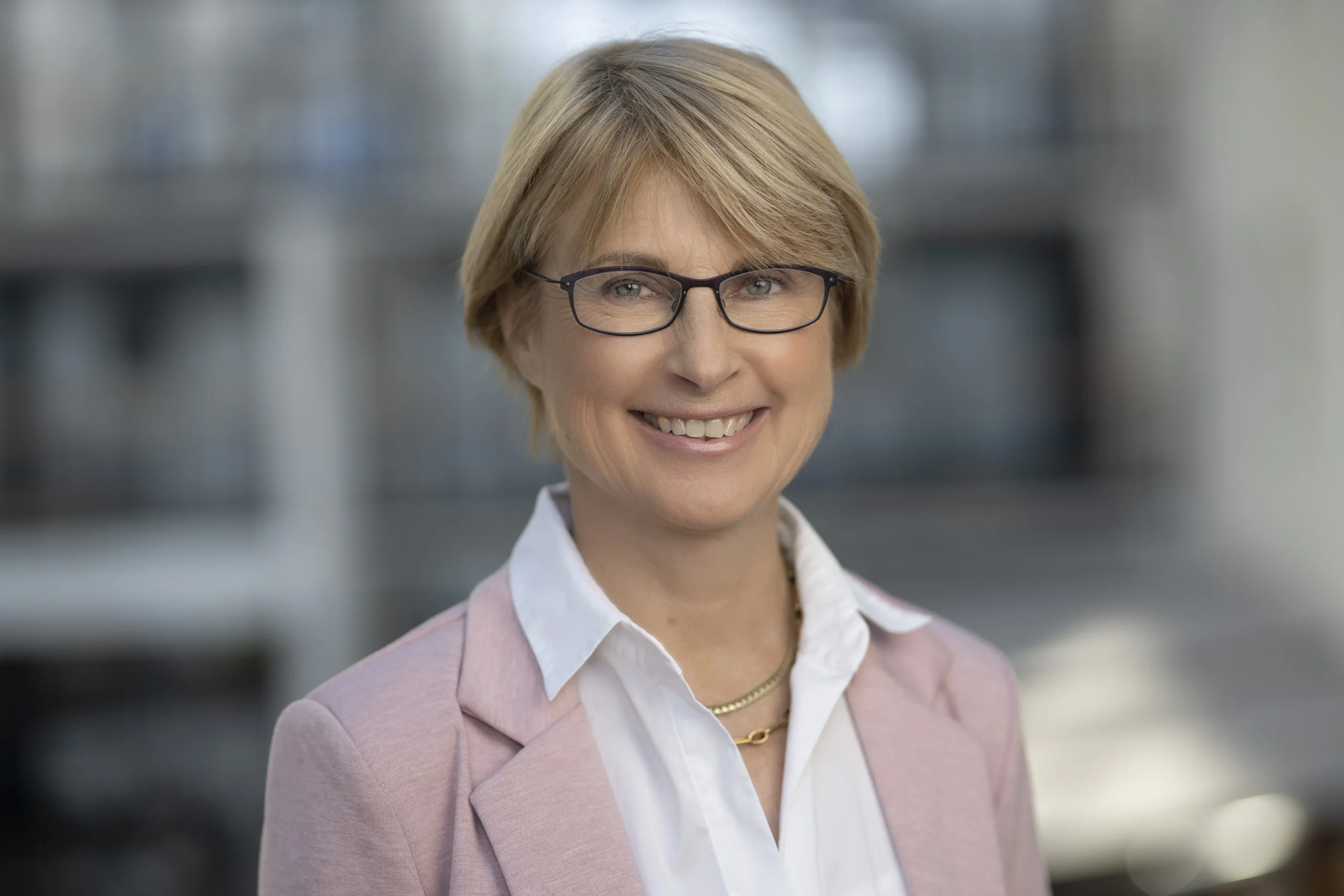
Arna Wahl Davies, co-founder and director of the New Zealand-based PCO Composition, talks to Oliver Thomas about organising virtual and sustainable events during the Covid-19 pandemic
Composition is a small company of professional conference organisers (PCOs), which works with membership-based associations in the planning and production of domestic and international conferences. Composition’s clients are mostly from the medical and scientific fields, with a scattering of other sectors such as education, tourism, photography, real estate and architecture.
Arna Wahl Davies, co-founder and director of Composition, tells CMW that “it’s all about finding the right fit with the client.” The PCO company typically looks to organise events with over 250 delegates but underlines the importance of being flexible and working closely with their client associations.
Flexibility and going virtual
During the ongoing pandemic New Zealand has opted, for the most part, to keep their international borders closed. Throughout, Davies has learnt the importance of maintaining strong communications throughout the entire supply chain and creating flexible strategies.
Davies says: “It has been really problematic because of the closed borders. We ran an International Congress (the Federation of Asian and Oceanian Biochemists and Molecular Biologists) with 29 countries, and we were getting delegates nearly every day emailing to see if they could come in-person. We would have loved to see them come, but we had our borders closed.”
Throughout these periods of heavy restrictions on travel and so-called “mass gatherings”, Davies talks of a mindset and technological shift. “It’s all about being flexible, offering contingencies, scenario planning, and working out what’s best for the client and for us. Whether it’s got a virtual element or even hybrid.”
Before taking this route towards hybrid or virtual events, early and thorough communication was critical. Davies notes: “When you have this conversation early, we then understand the appetite for going virtual at the very beginning. It’s part of our toolbox and we’ve been describing it to our clients exactly like this.”
When asked about the future of virtual events, Davies sees this as a mixed picture. “All of our clients throughout the industry want to get together in-person,” she says. “But I also think that widening the audience is important. Some people might fly from Australia if you’ve got an important event that’s of interest in New Zealand. But would someone fly over from England? Possibly not. If they do, that would be wonderful, but what options can we offer them for a hybrid version?”
When discussing the greater geographical reach that virtual events provide delegates, Davies comments: “If I’m interested in conferences in the US and Australia, it doesn’t necessarily mean I’m going to travel there. But if they’ve got an online component, I’ve got the option of actually watching and listening to some sessions.”
As events transitioned to virtual throughout the pandemic, Composition had to navigate the uncharted territory of organising events online. Davies had many concerns; “Are people going to pick it up intuitively? Do they understand where the live supporters are? Do they understand where they can see each other?”
To assist them, Composition used the software events company EventsAIR as its virtual platform. “For us it was quite a clear decision,” asserts Davies. “We already used EventsAIR as our registration system (pre-Covid). They have what they call onAIR, which is a virtual platform portal. It was a seamless flow from registration right the way through to the virtual event. Therefore, it was a no brainer for us to use that system.”
Striving for sustainability
Composition is striving to take a leading role in sustainability throughout the web of industries it interacts with while organising events. “I feel quite passionately about sustainability in the sector,” Davies comments. “What a great thing for us as an industry to get on the sustainability bandwagon. We’ve got such a ripple effect that if we do one small thing it can reach thousands of people.”
When organising an event, Composition sees sustainability as another issue that must be brought up in the early planning discussions. Davies states how it is crucial to ask questions of clients from an early stage. “Where’s your food coming from? Can you choose a vegetarian option? Can you make sure your wine source is local? What are the transport options? How close are they to the airports,” she says.
Once many of these issues are brought up early in the organisation process, events can maintain their quality while also being sustainable. “We don’t have clients that have bags filled with a whole lot of stuff anymore,” states Davies. “If things are being given out, they’re given because of their quality not of quantity. This is a complete change from how it was years ago.”
Yet the Composition director doesn’t just see this as an issue that can be achieved through event planners alone. Davies argues that change is “really important across the whole supply chain. There is still lots of areas where more can be done.”
When asked if clients are driving the issue of sustainability, Davies stated that the picture was mixed and often depended upon the industry they were from. Some associations still needed a push and others were heavily invested in making change.
Davies thinks it’s about building these partnerships with clients and learning from each other in the process. “One client is asking us to help them count their entire carbon footprint,” says Davies. “Weighing everything, such as how many tea bags have been used. This will allow us to measure how much certain materials cost the environment. We can then use it as a template going forward for different clients.”
Click here to read the feature in the CMW March/ April 2022 Magazine.