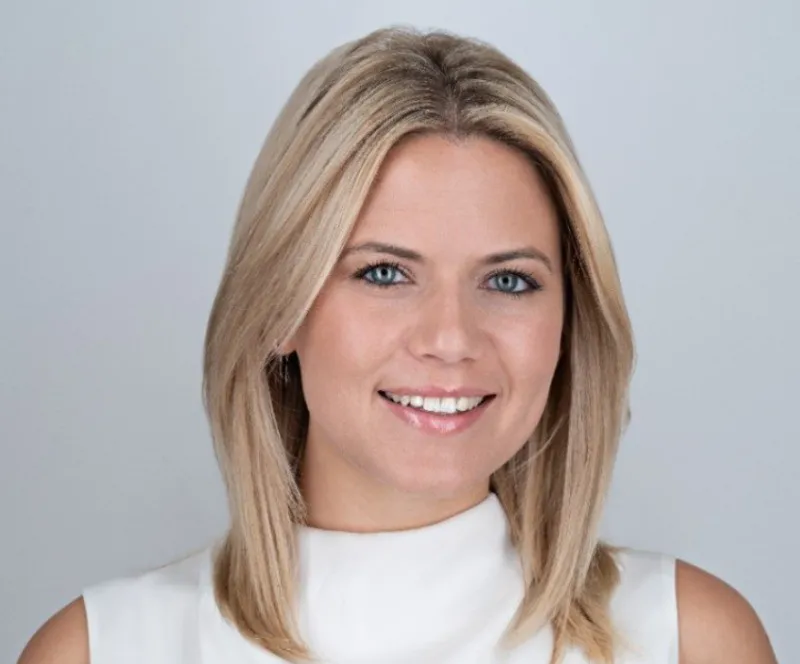
Louisa Daley talks to Adam Sloyer (pictured below), CEO, Sequence Events, about the strategy behind the agency and the current trends it is seeing.  Agencies are often at the heart of creative events and experiences. After all, creativity is the very thing they are known for. Considering this, how are agencies coping with the return of in-person events – which are not only coming back bigger and better – but with higher client expectations than ever before? Based in the US, and headquartered in New York, Sequence Events is an agency that specialises in production, strategic planning and design for both national and global events. “We have clients whose events are production driven and others who are more creative driven. But because we have a range of departments including creative, production, technical, graphic and multimedia, we can achieve either outcome,” explains its CEO, Adam Sloyer. “We also work with a mix of corporate and non-profit clients on a variety of B2B, B2C and internal projects,” he adds. For example, since its launch in 2011, Sequence Events has worked with social media companies like TikTok for its Virtual Creator Meetup and music streaming services like Spotify for its Inclusion Summit. The agency has also worked with longstanding clients including The Fund Finance Association, where it delivered the association’s conference in the UK, the US, and Asia – as well as other clients such as LinkedIn for its Employee Engagement Events and Footlocker Foundation for its On Our Feet Galas – to name just a few. Agency trends Since emerging from the pandemic and the lifting of restrictions, the agency has seen its clients pushing for more in-person projects – “in-person has been a clear winner this year. Clients have been waiting a long time to renew in-person connections,” Sloyer says. While this is good news for the US event buying market and the wider events industry, it has caused some challenges for the agency. “Like everyone else, we are continuing to see short planning windows. We are also seeing the impact of inflation, both in terms of labour and materials. Translating this narrative to clients and explaining why their event costs significantly more than it did the last time they hosted it, is a challenging but necessary conversation,” Sloyer adds. Due to the rise of in-person events, the demand for virtual has decreased for Sequence. “We have seen quite a decline of virtual requests over the past six months,” says Sloyer. However, hybrid seems to remain as an option for some clients. Sloyer believes this is because “organisations and clients are looking to amplify their reach and others are still concerned about in-person events due to Covid-19. So, by adding a hybrid element – it reduces the number of people needed in-person.” The future of events But with so many in-person and hybrid events now taking place, what exactly is the secret to making them stand out? After all, client expectations have changed significantly. The answer: experiential events. “The demand of in-person and hybrid events are really driving us to be more creative and more strategic about how we are constructing and producing experiential events,” reveals Sloyer. He says the agency achieves this by prioritising the discovery process. “It all begins at the beginning of the project – which is the most important part. We take a lot of pride in the initial understanding of who a client is. We want to know at the root, who they are, what drives their decision-making, what their objectives are and who their audience is. At Sequence, we always fully immerse ourselves in a client brand,” he adds. During this process, Sloyer explains how it’s less about Sequence’s role, and more about thinking holistically about the event. “We are always thinking: what are we going to do to separate this event from the others? How are we going to create something that people will want to attend? What does that look like? And so on,” he says. Then, the creativity, design and actual ideation of the event can seamlessly follow. “We never throw out ideas just to make it appealing, we want our events to be impactful. We always want to circle back to those fundamental and foundation pieces,” he says. Take TikTok’s Virtual Creator Meetup – the agency knew forming connections was the client’s primary objective, therefore, breakout rooms were a primary element of the event. Sequence Events also created bespoke games based on TikTok trends including ‘Two Truths and A Lie and a TikTok twist on ‘Pictionary’ to maintain brand authenticity. With events back in full swing, agencies like Sequence Events are ensuring they are both experiential and stand out from the crowd.
Experiential expectations
Events are back and bolder than ever. Client expectations have transformed post-pandemic. Adam Sloyer, CEO of Sequence Events, reveals how agencies are meeting rising demands through strategic creativity and experiential design that makes every event unforgettable.

Comments
Comments are closed on this post.
Trending
TCEB unveils six new MICE Cities
1 week ago
PCMA hails record Convening EMEA, sets 2027 sights on Seville
1 week ago
SITE to bring research and 20 years of Young Leaders to IMEX America 2026
1 week ago
Beyond attendance: How conferences can grow membership, strengthen communities and create lasting impact
5 days ago
Australian airfares remain below inflation despite soaring costs, according to Flight Centre index
1 week ago
Flight Centre Travel Group and Qantas champion corporate Australia’s NDC shift
1 week ago
PCMA members approve 2027 Board of Directors and Trustees slate
1 week ago
Advertisement
Essential Reads
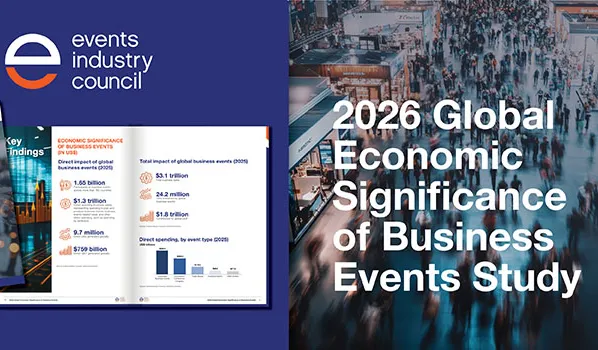
New EIC study finds business events contribute US$1.8 trillion to global GDP
Analysis
Washington DC bucks trend of US tourism decline with record visitor spending
North America

A look back at November’s IBTM and how event formats are “festivalising”
IBTMWorld

US airports face potential closures amid government shutdown
Business Travel

The countries with the highest business travel spend in the world
Business Travel