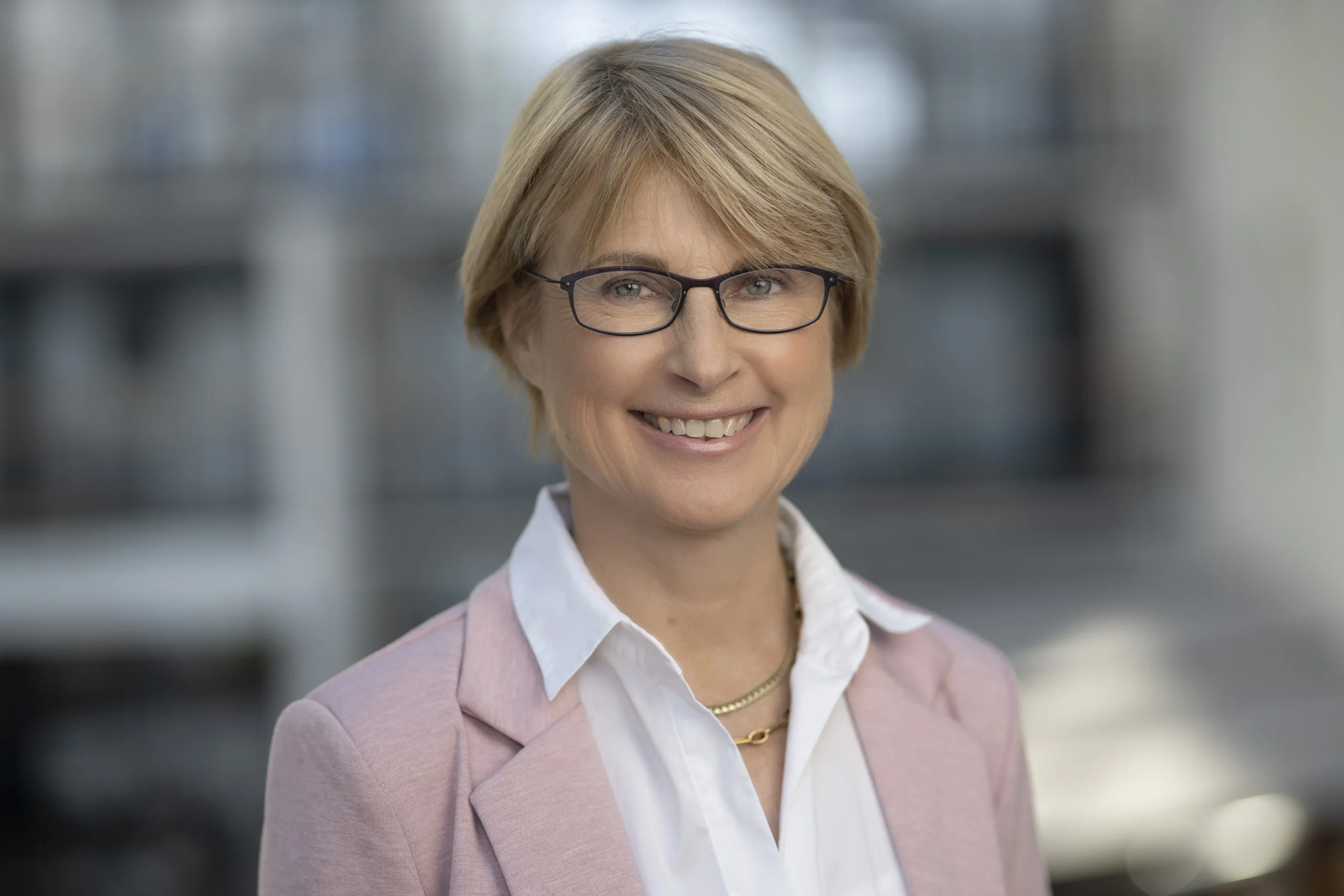
TranslateAble founder Julia Danmeri tells CMW how the company is set to revolutionise the way language services are integrated into events In 2020, seasoned international event operations professional Julia Danmeri founded TranslateAble, the only language service agency dedicated exclusively to the events industry. While the company is relatively new, its foundations are built on Danmeri’s 20-year career sourcing and managing language services globally. “TranslateAble was registered as a company in 2020, but it’s really been 24 years in the making,” she says. Danmeri’s frustration with the subpar translation services she encountered throughout her career inspired her to create TranslateAble. “All the services TranslateAble provides are ones I used to source, contract and manage in event ops, but I never received the level of service I wanted,” she explains. Poor translations of manuals, ads, and other materials often led to miscommunications and lost opportunities, highlighting a significant gap in the market. “Languages are underrated in events,” Danmeri notes. “I’ve seen lots of bad translations that waste money and create a poor impression. A dish may be delicious, but you’d never choose it if you can’t understand the menu. It’s the same with event materials.” Her personal success in leveraging language skills for better contracts and urgent work underscored the importance of accurate, culturally sensitive communication. “I love languages and want others to love them too. Speaking someone’s native language makes them feel at ease and included.”  TranslateAble boasts a vast network of language professionals worldwide, chosen based on language, location and specialisation. “We can’t count how many people we work with as the network is huge and spread all over the world,” Danmeri says. This extensive network ensures that TranslateAble can cater to diverse language requests and services, from in-person sign language interpreters to AI-driven live captioning. The technology used by TranslateAble depends entirely on the event and the service required. “Some services don’t need any technology at all, like in-person sign language interpreters,” Danmeri explains. However, it also offers AI options for live captioning services. The benefits of AI include a lower price point, quick setup, and the ability to pre-load glossaries to improve accuracy. TranslateAble’s services improve accessibility through sign language interpreters and live captioning, available both in-person and remotely. “We’re flexible and collaborative, finding solutions to make everyone feel welcome at events,” Danmeri states. The company’s expertise in the event industry allows it to save clients time and energy, ultimately increasing ROI by facilitating better communication with stakeholders.
  TranslateAble had its best year in 2023, with a fivefold revenue growth compared to 2022. The company’s network grew by 25%, including international sign language interpreters, enhancing event accessibility globally. It also had a 97% customer satisfaction rate and over 60% of revenue from repeat business. “There has been an increased demand for our services as organisers focus more on accessibility and inclusion,” says Danmeri. The affordability of AI has also opened up new possibilities for language services at events. TranslateAble is involved in numerous projects, including ongoing translations for the Olympics, sales and sponsorship contract translations for an event in Paris, and on-site interpreters for Clarion’s AEF in Barcelona. It is also providing BSL interpreters for MCM Comic-Con and a high street bank’s AGM, as well as transcribing an investment management company’s AGM.
Found in Translation
Comments
Comments are closed on this post.
Trending
Beyond attendance: How conferences can grow membership, strengthen communities and create lasting impact
1 week ago
Australian airfares remain below inflation despite soaring costs, according to Flight Centre index
1 week ago
Nearly 9 in 10 destinations improve as Helsinki leads 2026 GDS-Index
1 week ago
IMEX America achieves top neurodivergent inclusive event design endorsement
3 days ago
PCMA members approve 2027 Board of Directors and Trustees slate
1 week ago
Cairns doctor launches skin cancer conference, with a day on the Great Barrier Reef
2 days ago
Beurs van Berlage becomes a B Corp and achieves Green Globe Gold status
1 week ago
Advertisement
Essential Reads
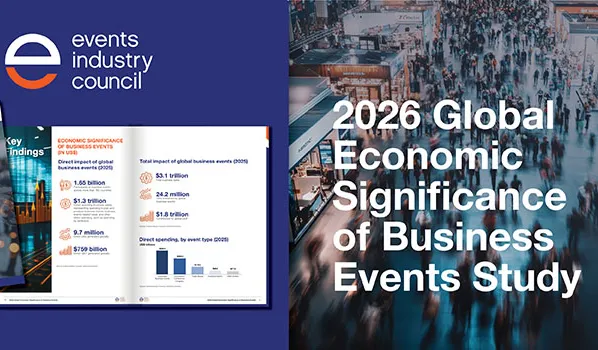
New EIC study finds business events contribute US$1.8 trillion to global GDP
Analysis
Washington DC bucks trend of US tourism decline with record visitor spending
North America

A look back at November’s IBTM and how event formats are “festivalising”
IBTMWorld

US airports face potential closures amid government shutdown
Business Travel

The countries with the highest business travel spend in the world
Business Travel
More like this