How are decisions about destinations, venues and service providers for business events likely to evolve, and which criteria will play a more decisive role going forward? These are questions currently being explored by the Research Centre for Future Meeting Studies (RCFMS), an initiative of the GCB German Convention Bureau and the Fraunhofer Institute for Industrial Engineering IAO. The research aims to establish a more transparent, comparable and evidence-based understanding of how such selection processes are shaped.
Working closely with partners from industry, associations, agencies, destinations, venues and technology providers, RCFMS is exploring how decision-making in event planning is being reshaped. The analysis considers increasing complexity, evolving sustainability requirements, technological change and shifting attendee expectations, while also factoring in geopolitical dynamics as well as considerations related to security and economic viability.
Corporates, associations, and agencies represent the demand-side perspective as event organisers. Organisations such as Bayer, Roche, SAP, Siemens, the German Aerospace Center (DLR), the German Society of Neurology (DGN), the German Ophthalmological Society (DOG), as well agencies makeBelieve and MCI Germany, provide insight into real-world decision-making practices, including trade-offs, competing priorities and evaluation criteria. In doing so, the research captures how decisions are actually made in practice. Participating organisations, in turn, benefit from a structured and data-driven perspective on how selection criteria are likely to evolve.
From the perspective of destinations, RCFMS generates evidence-based insights into the factors that will shape location choices in the future. Together with partners including the convention bureaus of Berlin, Bonn/Rhein-Sieg/Ahrweiler, Cologne, Düsseldorf, Frankfurt, Freiburg, Görlitz, Hamburg, Heidelberg, Karlsruhe, Leipzig, and Ludwigsburg, as well as the state tourism organisations of Baden-Württemberg and Bavaria and the Luxembourg Convention Bureau, the research explores how destinations can position themselves more clearly and consistently within increasingly complex selection processes.
For venues and hotels, the research provides orientation on how expectations are likely to develop on the organiser side. The findings are intended to inform strategic decisions on future investments, service portfolios and competitive positioning.
Cvent, as a technology partner, is enabling a focused analysis of the role of digital platforms, data availability and the comparability of offerings within future selection processes.
Bringing these perspectives together, RCFMS is developing a comprehensive view of how selection mechanisms within the business events ecosystem are evolving.
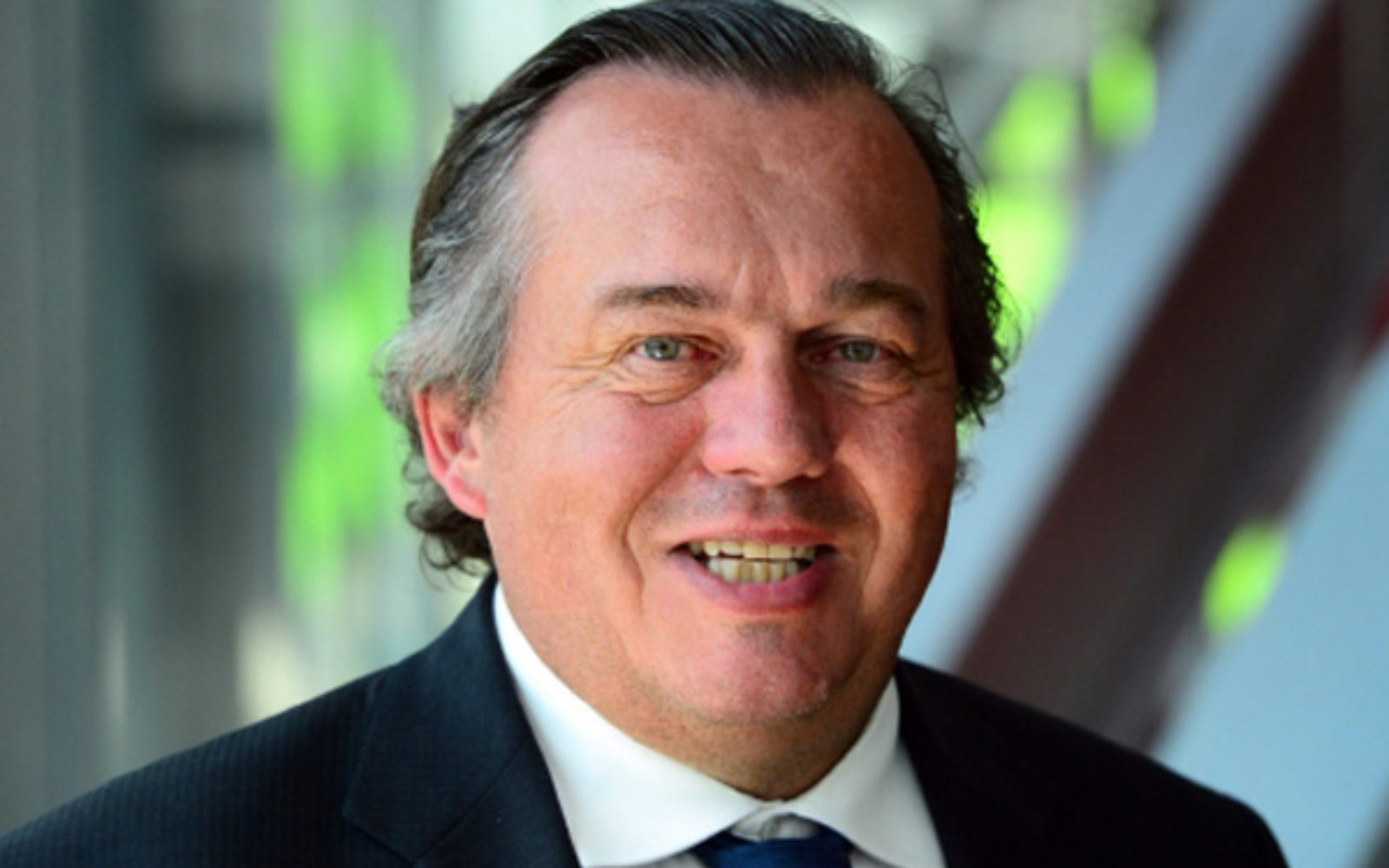
“This knowledge is becoming increasingly relevant in the context of ongoing market shifts: while traditional business travel is declining, according to recent findings by IPK International, occasion-driven MICE travel remains stable,” said Matthias Schultze, managing director of the GCB.
“It is essential for Germany as a meetings and congress destination to position its offering in a strategic and evidence-based way.”
Dr Stefan Rief, head of the organisational development and work design research unit at Fraunhofer IAO, added: “The findings help organisers navigate a landscape shaped by geopolitical uncertainty by providing a more informed basis for selecting suitable venues.”