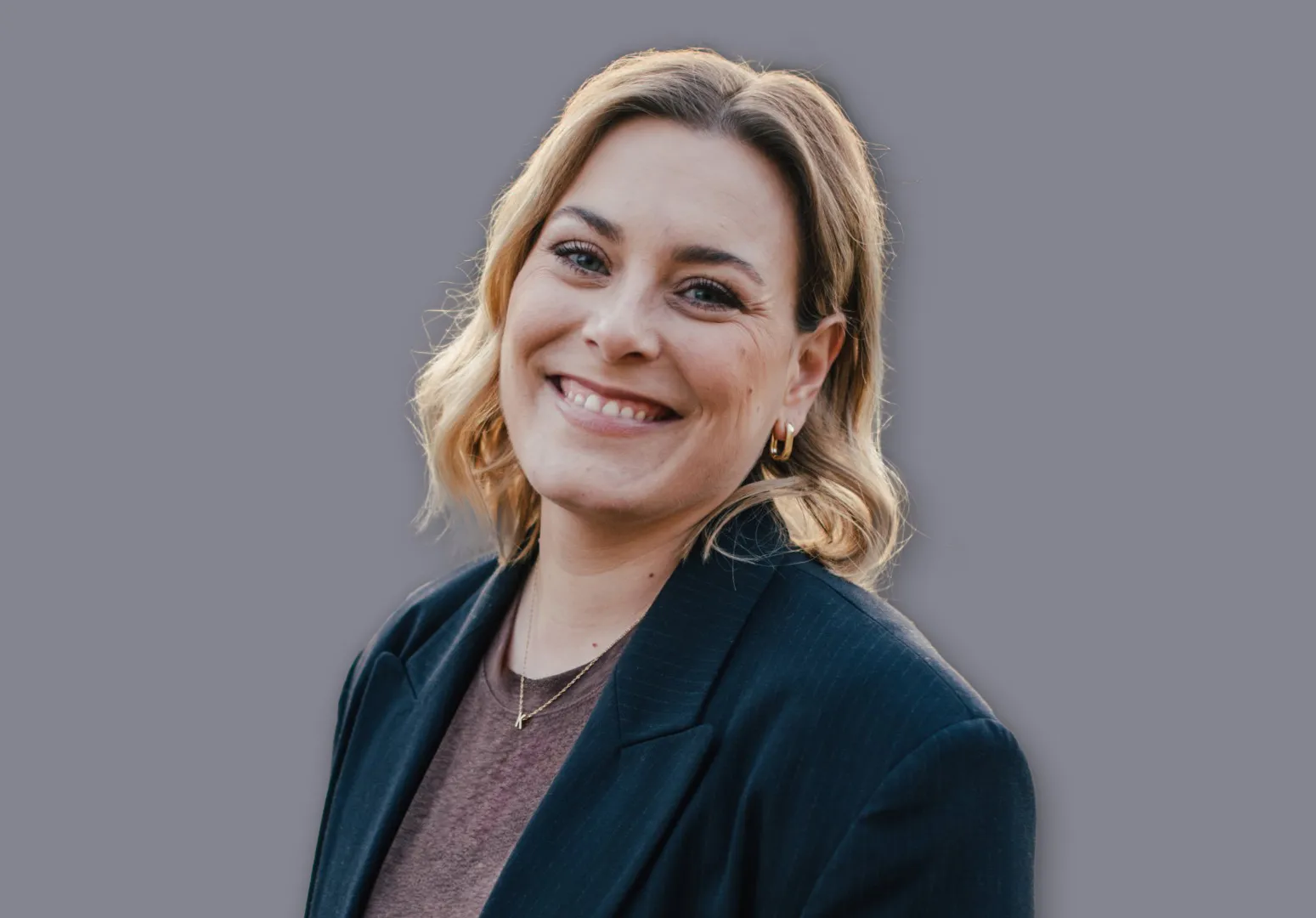
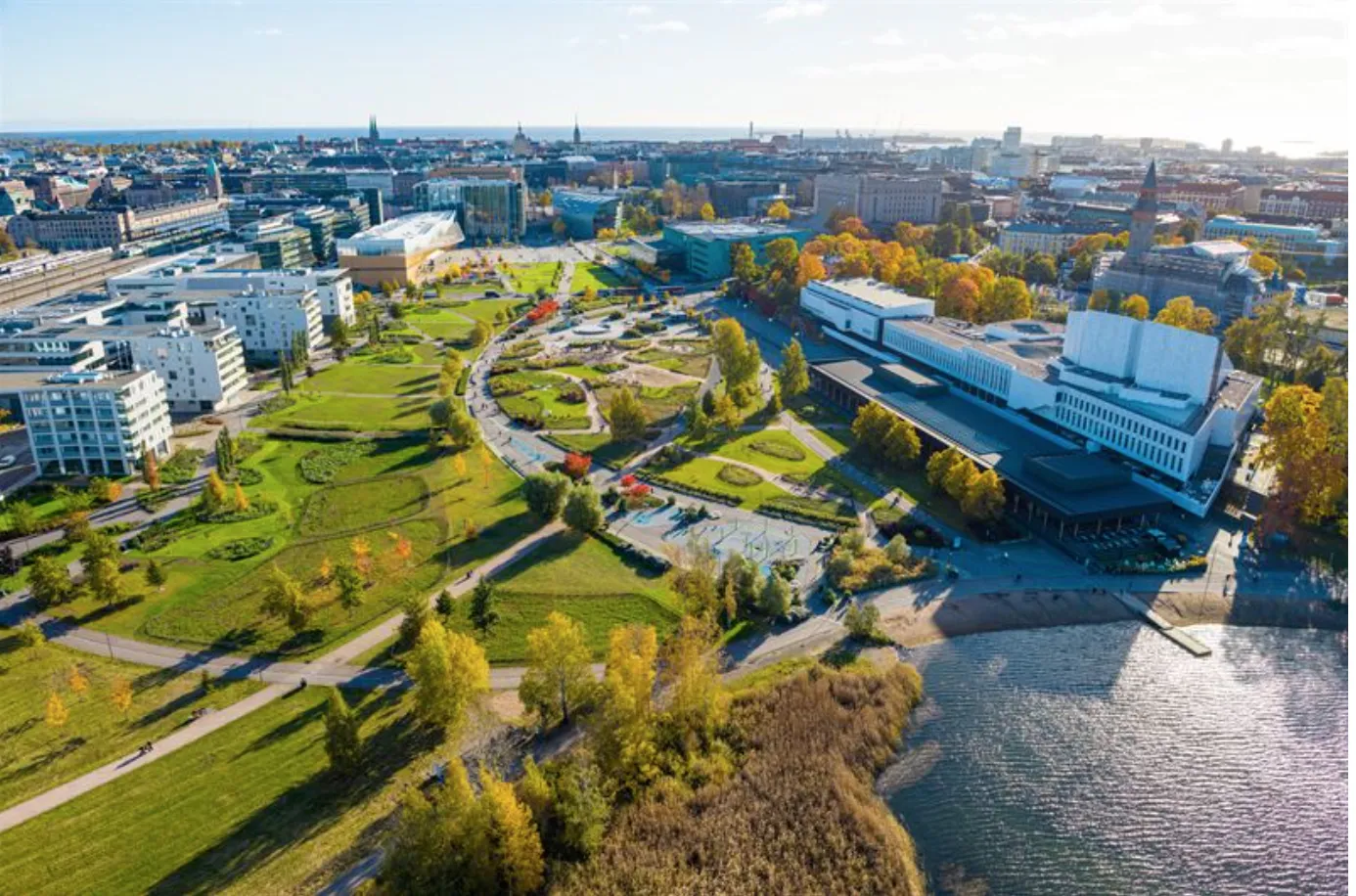
Theo Reilly catches up with Fredrik Lundgren at Gothenburg CVB about a new digital tool they’re offering – Virtual Gothenburg. Will it be a success?
Does Gothenburg have an answer to the age-old destination problem?
There are limited ways to get to know a location. You can look at digital brochures and website photos, take phone calls with sales reps, and – if you’re lucky – conduct a video tour. In reality, the only real way to get to know a destination is to see it in person. But site visits are an expensive liability for a destination, with no guarantee of a future booking.
Virtual Gothenburg
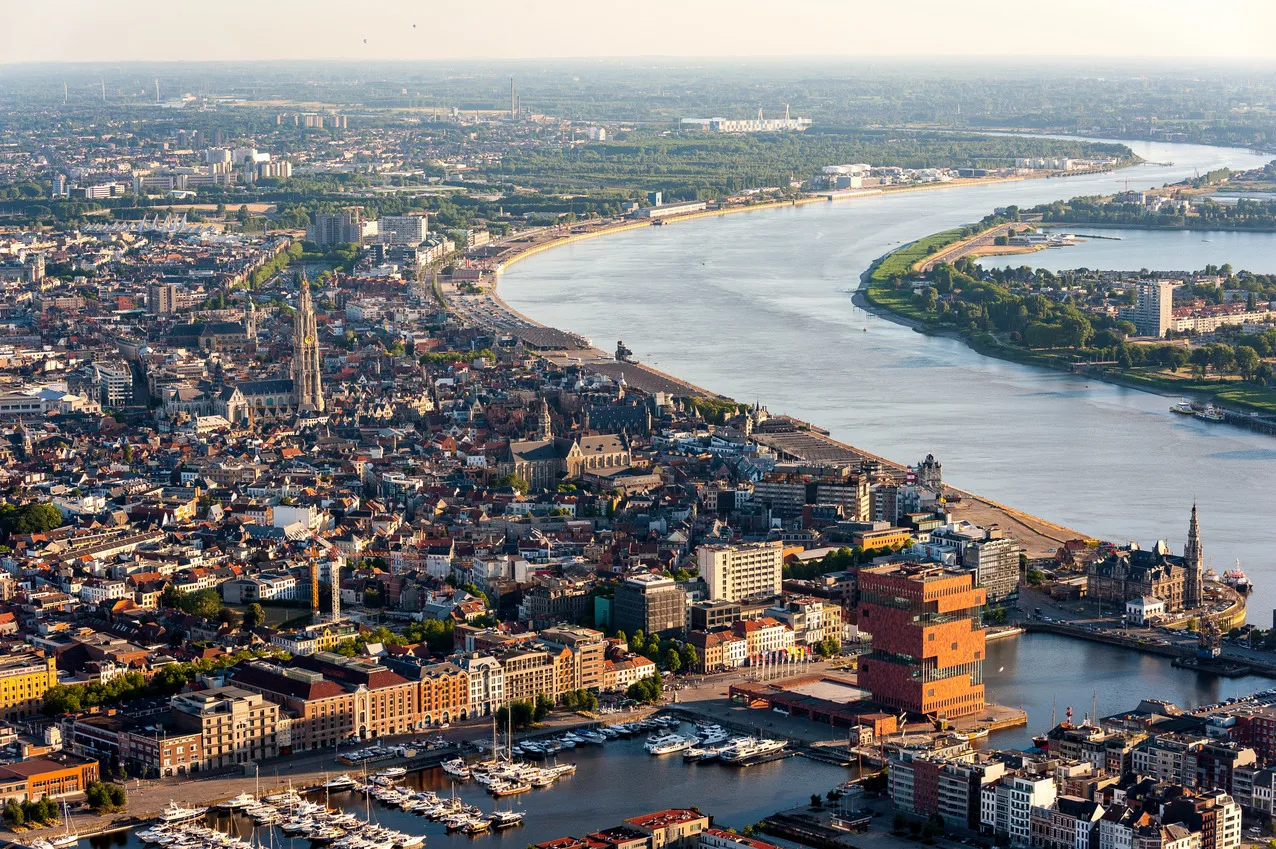
Fredrik Lundgren believes that Gothenburg may have an answer. The Swedish city has a “digital twin” – a 3D model of the destination – called Virtual Gothenburg. At IMEX Frankfurt, I spoke to Lundgren about what this tool can offer.
Lundgren explained that he first heard about the tool from the Gothenburg City Planning Authority. Leading developer and geodata strategist Eric Jeansson explains the need for the tool:
“We realise that the challenges faced by the city are constantly increasing with climate change.”
The digital twin covers the entire 700sqkm municipality. It was built for traffic simulations, sun/shadow studies, noise and air quality analysis, flood planning, and addressing urban segregation.
Lundgren knew that he had a high repeat-booking rate. The challenge wasn’t retaining clients – it was hooking them in the first place. Once Lundgren heard about the twin, he saw an opportunity. He asked the local government if he could repurpose the software as a tool for the CVB; the municipality said yes.
Will digital twins replace site visits?
The obvious question is how relevant this tool will be in years to come. The meetings industry has seen virtual hype before, much of which dissolved in the post-Covid years. But that failure was largely due to insufficient technology, and an overambitious attempt to replicate the ‘live feeling.’
Could the digital twin be how virtual finally integrates with events?
Destinations have to be extremely financially cautious about doling out site visits. Fam trips are expensive. It’s a topic of much contention in the business – site visits are the best way for a prospective client to learn about a destination, but in some cases they are abused. What results is a financial sinkhole.
CMW has explored this issue in previous editions – speaking to DMCs and destinations that have thrown money down the drain offering fam trips to representatives who simply weren’t engaged.
“Digital site visits offer a groundbreaking way to experience Gothenburg,” Lundgren explains. “A few destinations have a digital twin, but not all of them use it to present their meetings facilities.”
It’s not just Gothenburg saying this – global consultancy McKinsey released 2024 analysis indicating that the global market for digital twin technology will grow around 60% annually over the next five years, reaching $73.5bn by 2027.
The test
The answer will be revealed in 2026. A beta launch is scheduled for next year. It will determine whether virtual experiences can generate booking conversion rates comparable to traditional site visits.
Fredrik Lundgren has shown resourcefulness. Repurposing a digital twin for the events sector is a strategy we hope to see pay off. If the tool generates measurable conversion, it has the potential to change the way organisers explore destinations.