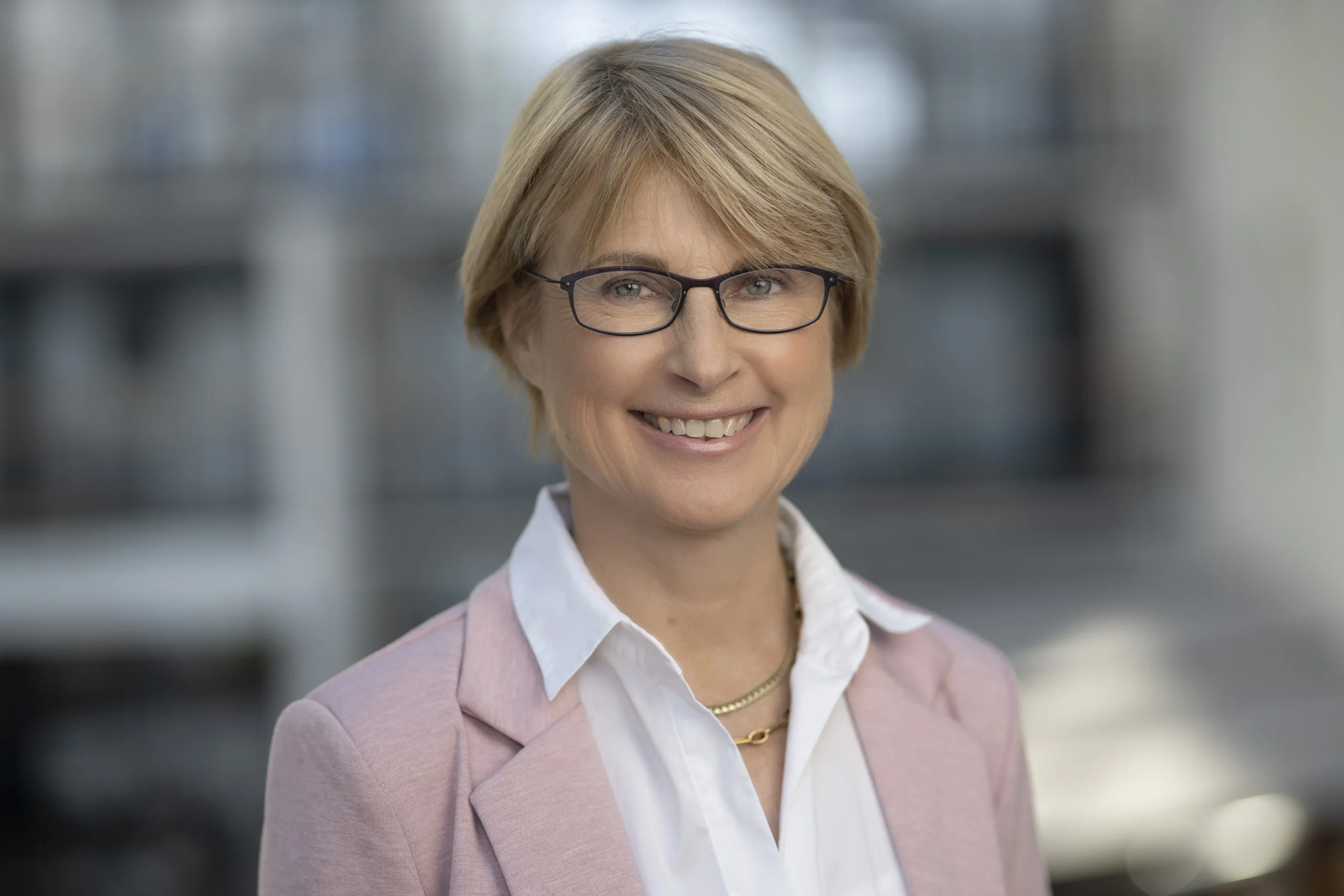
Where were you born and raised? In Rotherhithe, London, a working class area of inner London which serviced the Surrey Docks. I spent all my early years in South East London. What was your first career ambition? To be an airline pilot but I discovered as a young boy you needed to speak other languages, so that killed that one. I did not actually have a career ambition, as there were no professionals in the wider family so I was not exposed to the options until adult life. First job? As a clerical officer in the Inner London Education Authority (ILEA), having followed my mother into the organisation. I stayed there for 19 years moving through the ranks, gaining a degree in economics, mathematics and geography (strange combination I know) and post graduate diploma in management. Important early lesson? An early painful professional lesson was not asking for help and direction when things were difficult. Not asking meant they got much worse. Ever since I have encouraged team members to acknowledge when they are having problems and to ask questions both being seen as a sign of strength. Key career moments? Firstly, taking on a part time degree course which signalled I was being serious about my career, then becoming chief administrative officer at the Commonwealth Institute and then joining MPI which truly opened up a brand new network of professional contacts. What were your highlights of the Commonwealth Institute? There were many great times at the Institute (and as it became known the Commonwealth Conference Centre), including the creation of the infamous Teddy Awards, our main client event of the year and effectively a parody of awards evenings. It is heartwarming that many industry colleagues still fondly remember them. We still have the Fellowship of the Teddy! While I was there my daughters both presented bouquets the HM The Queen. Person who most influenced you as an earlier career mentor? At the Commonwealth Institute, I reported to James Porter, the then director general and a man of deep intellect, style and integrity who showed me that I should take command of business situations. He made it clear that in a public situation you need to have presence. How did the MBE come about? Were you surprised? I was surprised – my wife thought the letter was a tax demand. It was in acknowledgement of the work I carried out in securing independence from the public purse for the Commonwealth Institute. Was it a wrench to move on? I thought it would be but it was not. I had 15 largely great years and I was fortunate at age 50 to be able to benefit from early retirement on full terms. I have discovered that there are always opportunities when you move on – you just sometimes have to take a chance. How did you come to Reed? I was approached by Tom Nutley, the then chairman of Reed Travel, to help identify a successor for the then show director. On the spur of the moment I said I would take on the role. Reed is much larger organisation, about profit, but with really excellent management data available in real time, which helped in forming decisions. What early targets did you set at Reed? To build a new team of meeting professionals rather than what I call exhibition technicians; to convince the international industry that this team would fix the problems, to convince Reed to give me and the new team time and then to create business growth. You certainly throw yourself into the association side (MPI in particular). Is there a direct correlation from effort put in to success brought out? I did get heavily involved in MPI and previously in the Meetings Industry Association (in the UK). I felt it was critical to see EIBTM reconnected to the industry associations which are such an important part of the DNA in our professional world. What were some of the challenges at MPI and Reed and what were the tools you used to find solutions? These are two separate questions. MPI under different leaderships posed quite different problems. Trying to be the biggest is not necessarily always consistent with providing the best member benefits. As a volunteer leader at chapter, then board, and then executive board level I tried to extol the importance of corporate issues linked to chapter and individual interests, as indeed did some other board members. In Reed I think by far the biggest, and absolutely the most important, challenge was to reposition EIBTM and then position the portfolio as part of the meetings industry, not peripheral to it. You built up a very high profile portfolio at RTE. What are your coping strategies? In fairness to Reed, I was not only allowed but genuinely supported in driving the re-engineering of EIBTM and then creating a global portfolio. I also had a wonderful team who worked incredibly hard. My family was amazing in accepting my travel of in excess of 30 weeks a year. What were the key moments in rolling out the IBTMs? Were some smoother than others? The most important was EIBTM 2005, the first event under my direction with a completely new team. It went well, the transport and the appointment system both went off without a hitch and a degree of trust was regained. The re-engineering of CIBTM and AIME were fascinating and the launch of GIBTM was a new experience for me. What would you have done differently there with the benefit of hindsight? I would have focused even greater resources on growing the association buyer sector within the portfolio and devised strategies for doing this. My smartest business move was assembling the team. Some of the team were simply outstanding. What have been your coping strategies for spending so much time on the road and in the air? I would like to say I have some systematic process but I don’t. I must love to travel (and still do as a senior railcard holder). I get a thrill arriving at a destination for the first time. I was lucky in that I could travel in comfort and I believe companies who expect staff to travel long haul (over five hours in my view) in anything but Business Class are simply undervaluing their staff and in turn their customer base. When did you feel it was time to move on from RTE? I never joined RTE to build a career within the company and really enjoyed my time, but I was genuinely exhausted from the travel and had realised I was missing too much of my family life. So, in February 2009, I decided I would go as the launch of AIBTM had been postponed, my travel schedule was ever more packed and the storm clouds of the recession were beginning to be manifest. Are you busier now with the consultancy than ever? No, part of the deal I struck with myself is that I would not work full time for anyone again. What I do is to work on projects and with people I like and respect and which spark some intellectual or emotional trigger. Life as a consultant is different, as you are always to some extent on the outside. I am direct and candid in my advice to clients and, not surprisingly, some stage two engagements fail to appear as a consequence. Equally I have learned to accept that life as a consultant is unpredictable. I like to think the Convene event held in Vilnius is a model of how trade events can be created. And the advisory board of The Meetings Show which I helped create I see as a kind of model of its kind, packed with industry luminaries. Is the international meetings industry in a good place now? Yes, and has been for some time. Underlying demand for events is up, the supply side developments are happening everywhere and many destinations old and new are positioning themselves onto the meetings market place. What are your predictions for three key trends moving forward in the industry? I think we will continue to see an amazing array of new infrastructure projects as the macro- economic case for our industry becomes common place in governments across the world. I see the thirst for face-to-face meetings continuing largely unabated. It is after all a basic human need to meet; organisational success is simply not practicable without teams meeting, products being launched and sold, and scientific and technological knowledge being exchanged. I see at a commercial level more focus on ROI or ROO being applied as issues such as compliance emerge across sectors. This was first published in issue 79 of CMW.
Kennedy's conference calls
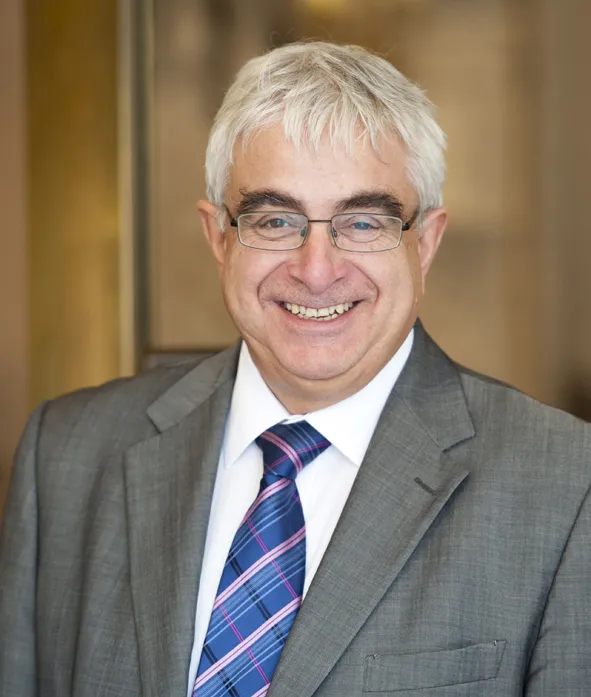
From inner London, to barcelona and beyond, CMW meets international man of meetings engineering mystery, Paul Kennedy, MBE.
Comments
Comments are closed on this post.
Trending
Beyond attendance: How conferences can grow membership, strengthen communities and create lasting impact
1 week ago
IMEX America achieves top neurodivergent inclusive event design endorsement
5 days ago
Nearly 9 in 10 destinations improve as Helsinki leads 2026 GDS-Index
1 week ago
PCMA members approve 2027 Board of Directors and Trustees slate
1 week ago
Cairns doctor launches skin cancer conference, with a day on the Great Barrier Reef
4 days ago
Antwerp welcomes OpenLivingLab Days 2026
1 week ago
Ex-McCann CEO to lead the EC Group
1 week ago
Advertisement
Essential Reads
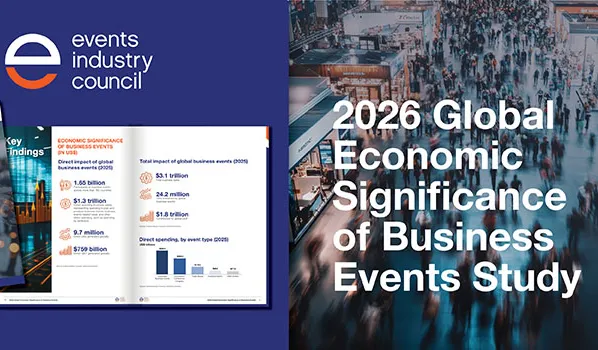
New EIC study finds business events contribute US$1.8 trillion to global GDP
Analysis
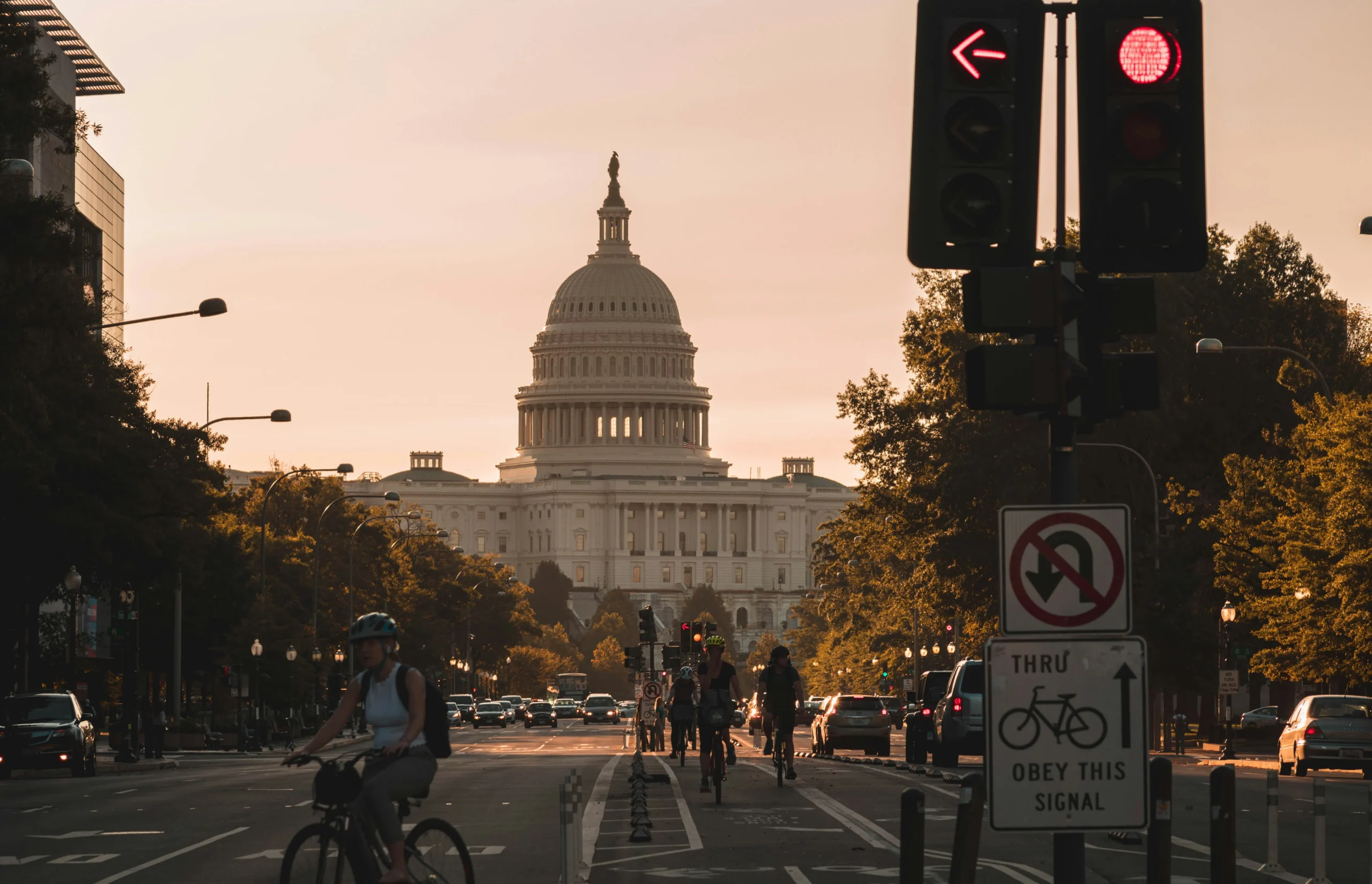
Washington DC bucks trend of US tourism decline with record visitor spending
North America

A look back at November’s IBTM and how event formats are “festivalising”
IBTMWorld

US airports face potential closures amid government shutdown
Business Travel

The countries with the highest business travel spend in the world
Business Travel