Marketing budgets have reduced 0.5%, according to the latest Bellwether survey, released 17 October. Respondents noted a ‘downward revision’ in Q3, which they attributed to “heightened economic and political uncertainty”. It is the first-time marketing budgets have reduced in seven years. However, marketing executives have observed cuts to their allocated spending, the net balance was broadly unchanged from the prior quarter (+0.0%) and slightly below neutrality. Hesitancy has dominated UK business decision-making. More than 64% of respondents reported no change to their overall marketing budgets in Q3. There were reports that economic and Brexit-related uncertainty warranted a ‘wait-and-see’ approach. Low consumer confidence was said to have generated hesitancy towards spending, leading firms to hold back on big-ticket marketing drives and reduced willingness to spend. Others indicated that, in the interest of cost efficiency, they had re-allocated budgets to online and social media-based campaigns, keeping total budgets unchanged in the process. Approximately 18.2% of firms cut total advertising expenditure, while 17.7% reported budget growth. The shift towards digital marketing was again highlighted as the internet category remained the top performer. A net balance of +11.1% of firms observed budget growth here (+11.5% previously). The development of new online tools encouraged firms to boost internet budgets available to marketing executives. Data-driven campaigns and a greater push towards social media advertising also underpinned the continued rotation into the digital space. Main media advertising budgets were placed on hold during Q3 (+0.0%) following upward revisions in the first two quarters of 2019 (+5.2% and +5.6% respectively), signalling a reluctance among firms to commit to big-ticket marketing campaigns. The remaining types of marketing all recorded in contraction territory, with the worst performer being market research (-16.9% from -2.9%). Elsewhere, direct marketing spending was reduced (-7.0% from -9.0%), as has been the case since Q4 2017, and continued declines were also seen for sales promotions budgets (-2.3% from -7.1%), PR budgets (-4.7% from -5.2%). Meanwhile, events marketing budgets were downwardly revised for the first time since Q3 2018 (-5.9% from +4.8%), while ‘other’ marketing expenditure, which captures anything not already included, also contracted (-13.9% from -12.8%).
Marketing budgets drop for first time in seven years
Marketing budgets have reduced 0.5%, according to the latest Bellweather survey, released 17 October.

Comments
Comments are closed on this post.
Trending
Australian airfares remain below inflation despite soaring costs, according to Flight Centre index
1 week ago
Beyond attendance: How conferences can grow membership, strengthen communities and create lasting impact
1 week ago
Nearly 9 in 10 destinations improve as Helsinki leads 2026 GDS-Index
1 week ago
PCMA members approve 2027 Board of Directors and Trustees slate
1 week ago
IMEX America achieves top neurodivergent inclusive event design endorsement
3 days ago
Cairns doctor launches skin cancer conference, with a day on the Great Barrier Reef
2 days ago
Beurs van Berlage becomes a B Corp and achieves Green Globe Gold status
1 week ago
Advertisement
Essential Reads

New EIC study finds business events contribute US$1.8 trillion to global GDP
Analysis
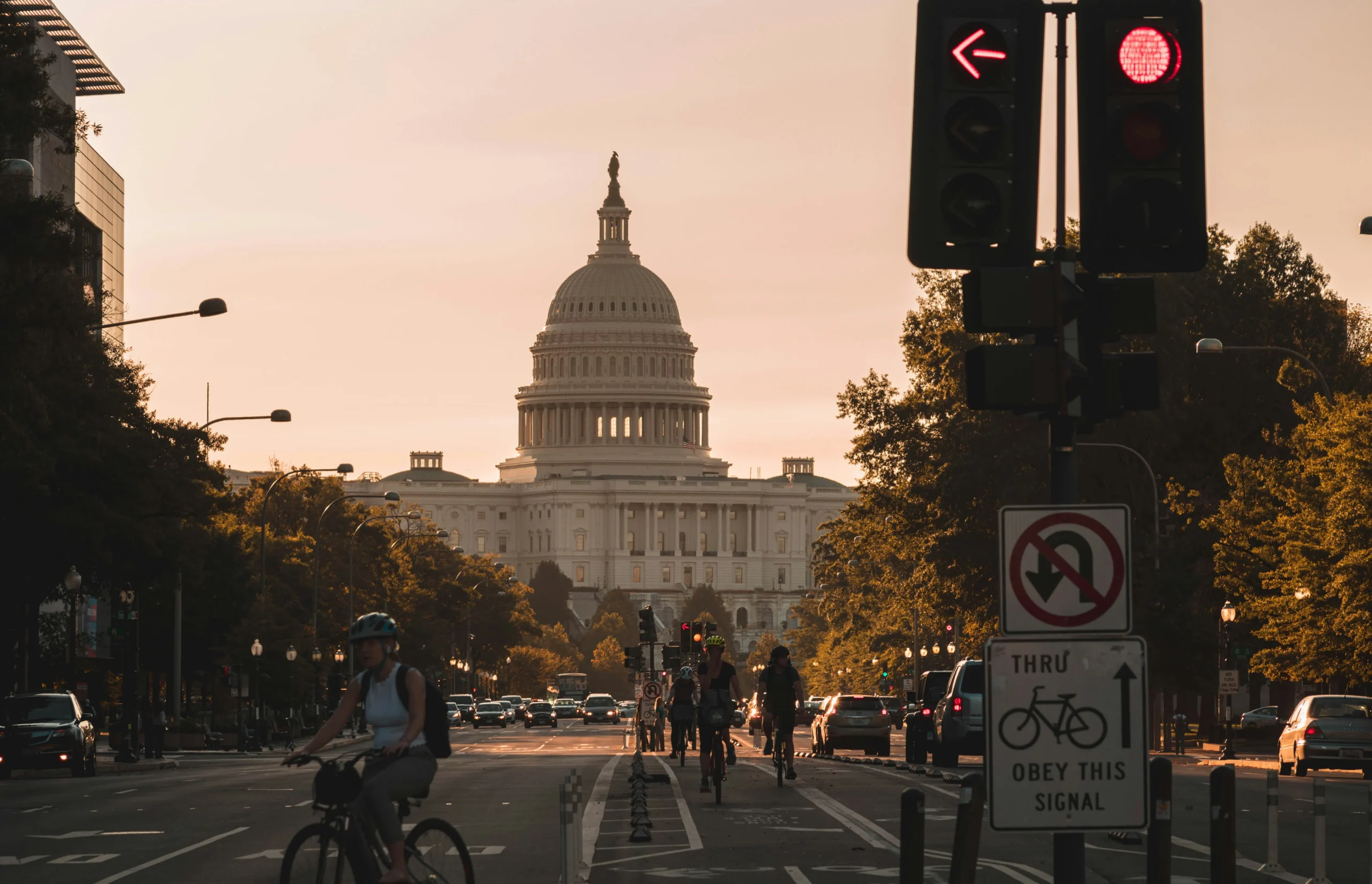
Washington DC bucks trend of US tourism decline with record visitor spending
North America

A look back at November’s IBTM and how event formats are “festivalising”
IBTMWorld

US airports face potential closures amid government shutdown
Business Travel

The countries with the highest business travel spend in the world
Business Travel
More like this