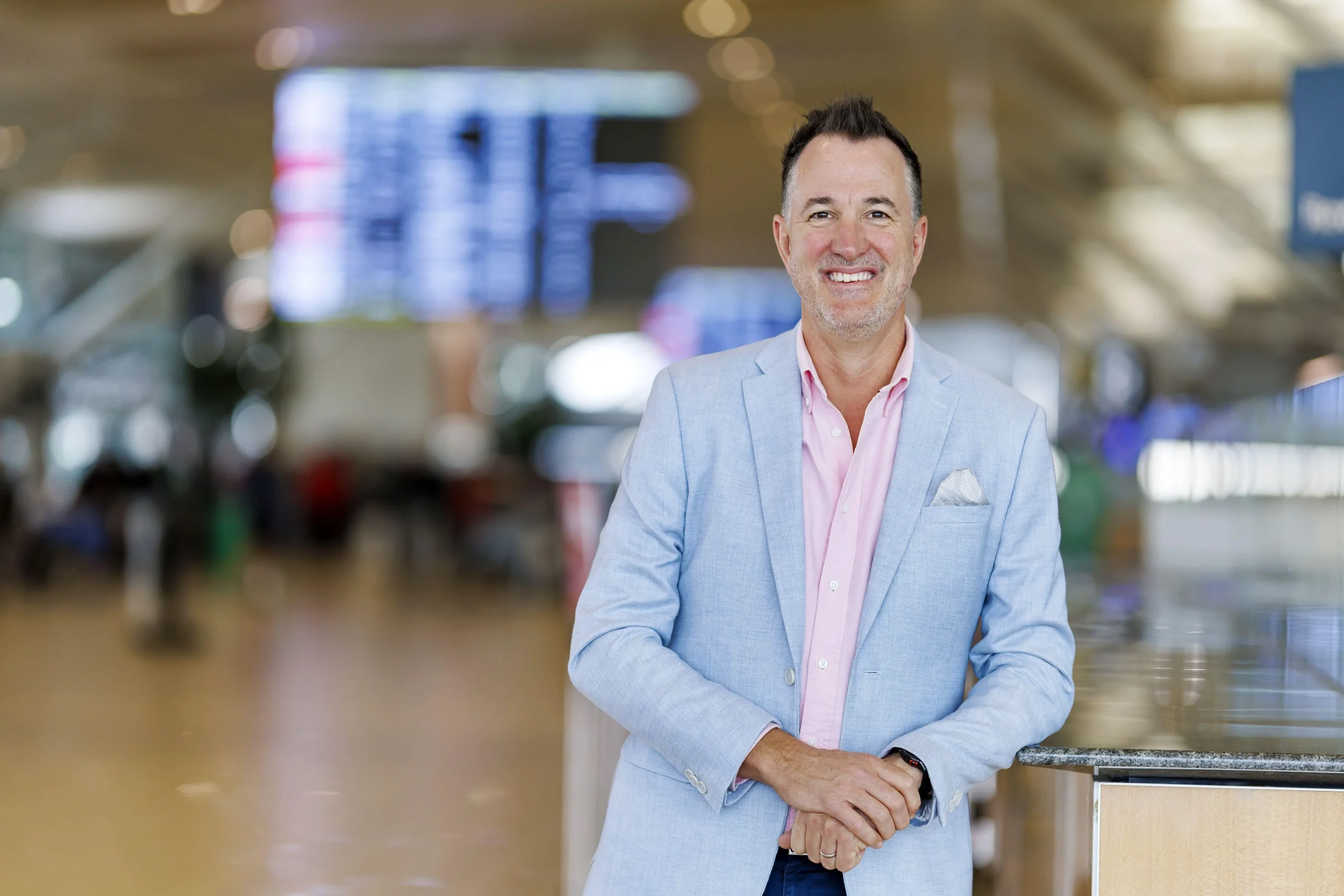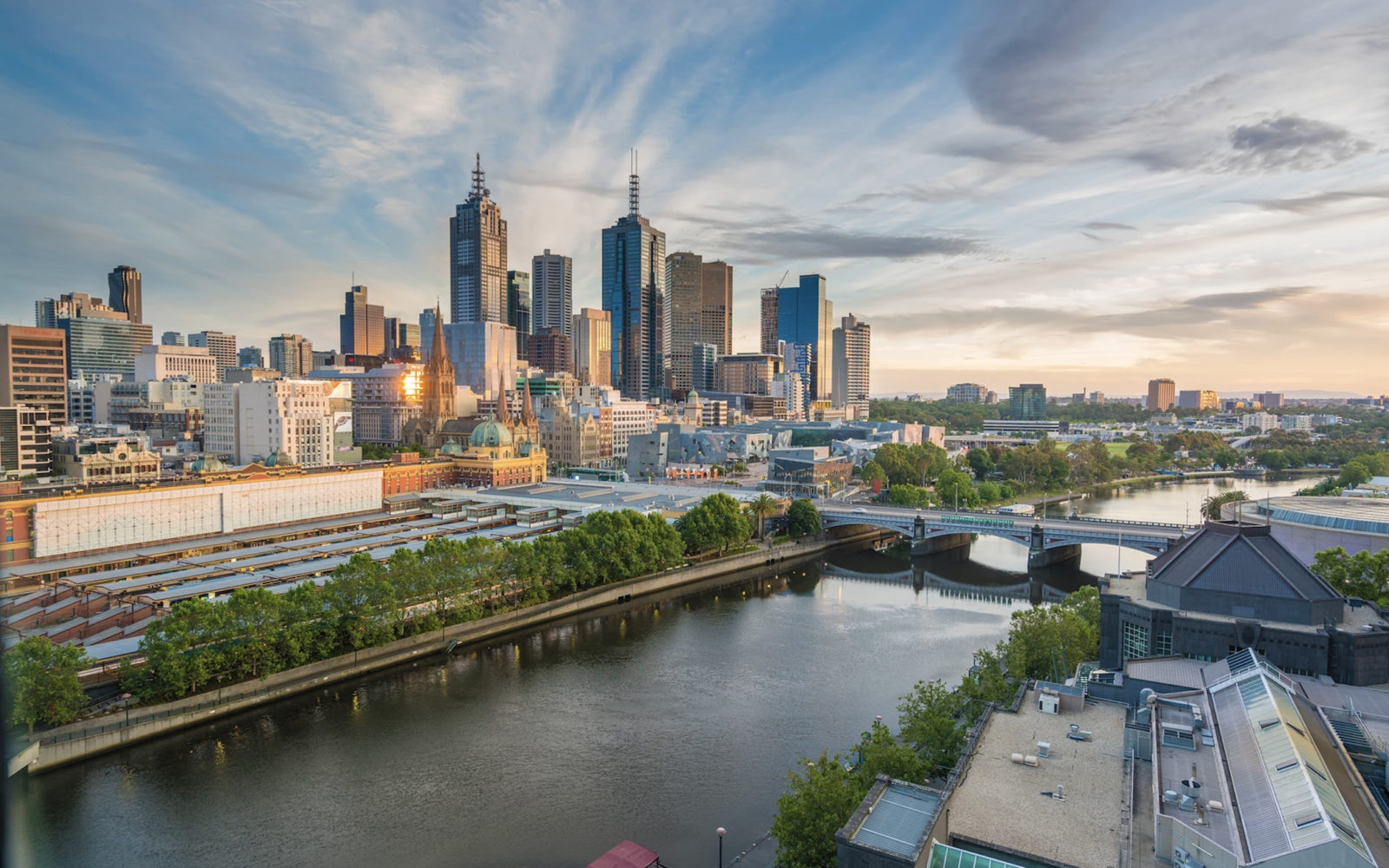
Julia Swanson, chief executive officer of the Melbourne Convention Bureau, makes a compelling case for why Australia’s events capital is not simply competing on the world stage – it is helping to define it.
There is a particular confidence that comes from six decades of practice. While Melbourne Convention Bureau marks its 60th anniversary this year, it does so not with nostalgia, but with momentum. Under the leadership of Julia Swanson, who has helmed the organisation for six years – two of which were consumed by the white-knuckle experience of steering an industry through a global pandemic – Melbourne is positioning itself not merely as a destination, but as a blueprint.
 “We’re a purpose-built event city,” Swanson says plainly, and the evidence is difficult to argue with. The smart political decisions of the 1980s and 1990s, which ring-fenced a substantial portion of Melbourne’s city centre for world-class convention infrastructure, have compounded beautifully over the decades. The result is a compact, walkable, free-transport-connected precinct that allows delegates to move from hotel to convention centre without a second thought. In a world where delegate experience is increasingly part of the procurement decision, that frictionless urbanism matters enormously.
But infrastructure alone does not win 132 confirmed events through to 2028, representing more than 100,000 delegates and a projected economic contribution in excess of half a billion Australian dollars. What Melbourne has cultivated, and what Swanson articulates with evident pride, is a city culture that genuinely embraces major events rather than merely tolerating them. The Australian Open, the Formula 1 Grand Prix, the Melbourne Food and Wine Festival, the Melbourne Cup Carnival, and now the NFL arriving in September: these are not simply tourism draws. They are leverage points for the business events sector.
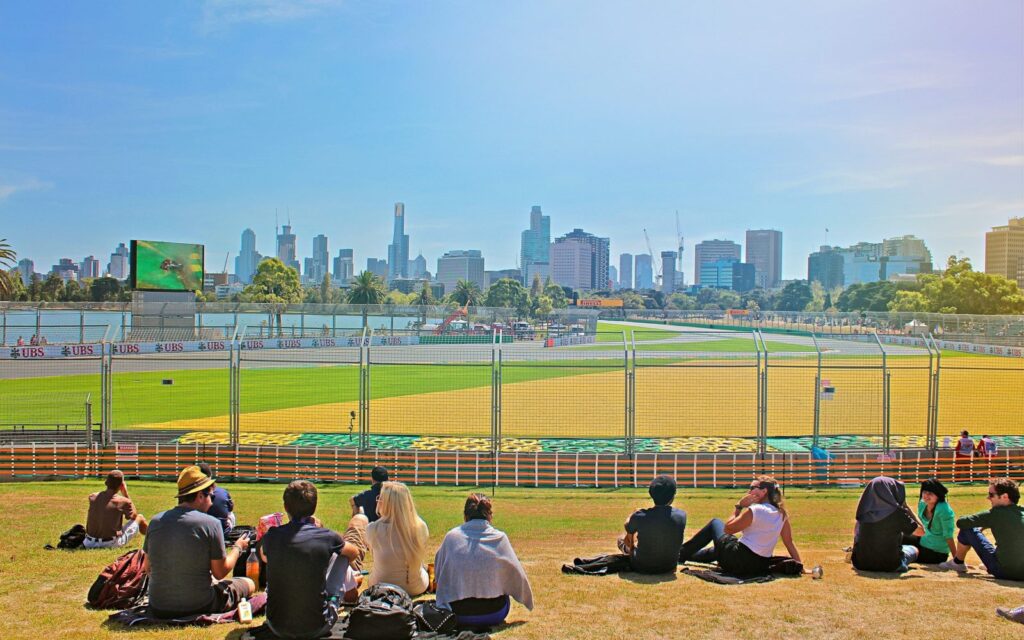
“We look for synergies,” Swanson explains. “There might be a big sporting event and a related health discipline where we can bring in international experts.” It is a sophisticated approach – one that treats Melbourne’s major events calendar not as competition for delegate attention, but as a value-add for incentive and association clients alike. Incentive buyers from Asia, in particular, are responding. The opportunity to walk the pit lane at the Grand Prix or attend the longest lunch as part of a bespoke programme is the kind of experience that no hotel points scheme can replicate.
That incentive market growth is perhaps the most interesting development in Melbourne’s recent trajectory. The city has long been respected for association congresses – the serious, sector-led gatherings that drive knowledge transfer and professional advancement. But the incentive sector is catching up fast. Australia Next, hosted in December, delivered a 100% delegate satisfaction rate, with every attendee reporting they had discovered new product and new experiences. “There’s more to Victoria than they thought previously,” Swanson observes, with the quiet satisfaction of someone who has been making that argument for years.
The formula is not complicated, even if execution is. Melbourne offers urban intensity – the food, wine, arts and multicultural energy that make a city feel alive – alongside regional escape within one to two hours. It is the compact diversity that Swanson returns to repeatedly, and rightly so. You can have the city, and you can have the Yarra Valley or the Mornington Peninsula. You rarely have to choose.
Women Deliver, arriving in April after a pursuit that stretches back to 2017 and two previous unsuccessful bids, is perhaps the event that most clearly illustrates Melbourne’s values proposition. This is not simply a high-profile congress; it is a statement of alignment. Victoria’s Gender Equality Act places measurable obligations on government-funded entities – including the Convention Bureau itself – to demonstrate genuine progress on diversity. More than 50% of the Victorian parliament is female. Treaty has been achieved with First Nations communities, bringing a formal reconciliation framework that is already shaping how events are designed and delivered.
This is not window dressing. Swanson is direct about the Bureau’s First Nations engagement guide for business event organisers, developed in response to clients who wanted cultural immersion that went beyond a welcome to country, but did not know how to achieve it responsibly. The work of identifying and connecting micro-businesses within First Nations communities to the events sector is painstaking and ongoing – but it reflects a broader truth about what serious associations now expect from a host city.
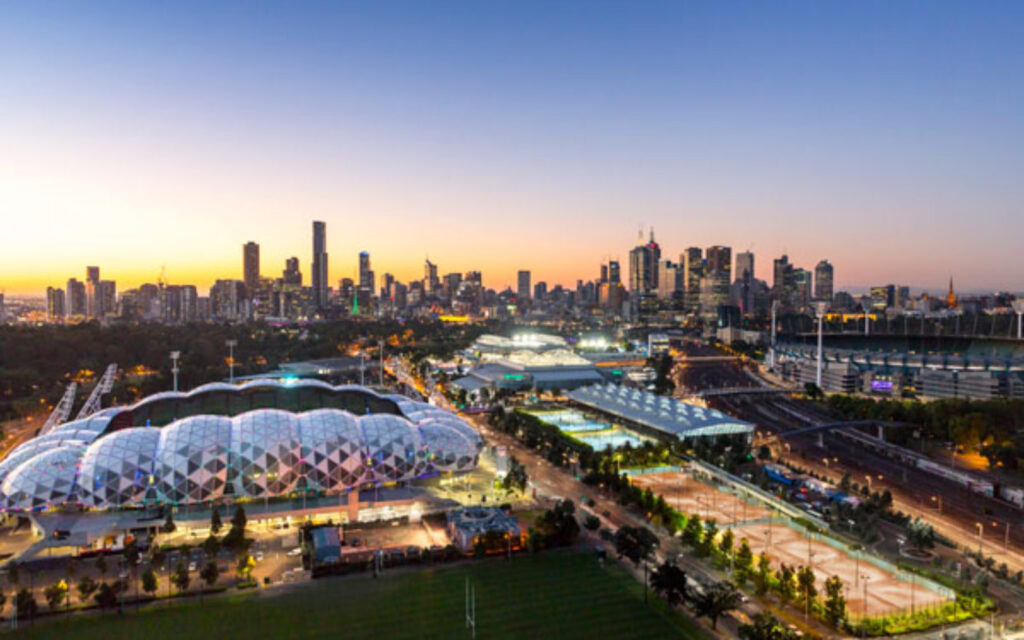
Swanson also chairs Best Cities, the global alliance of thirteen leading convention bureaux, a role that gives Melbourne a seat at the table where global trends are being read in real time. “No one has full perspective on what’s happening globally,” she acknowledges, “but when you have thirteen destinations sharing insights, we all learn and grow together.” Strategic planning is imminent, with sessions at IMEX Frankfurt set to explore technology, efficiency and the future shape of convention bureau services.
And then there is AIME (Asia Pacific Incentives and Meetings Event), now in its 33rd year and owned by Melbourne Convention Bureau. Hosting it is, as Swanson puts it, “a bit like having a Grand Slam of business events in your city.” It brings buyers through the door, puts them in front of the Bureau, and lets Melbourne do what Melbourne does best: make the argument through experience rather than brochure.
Sixty years in, the city is still making that argument. And increasingly, it is winning.