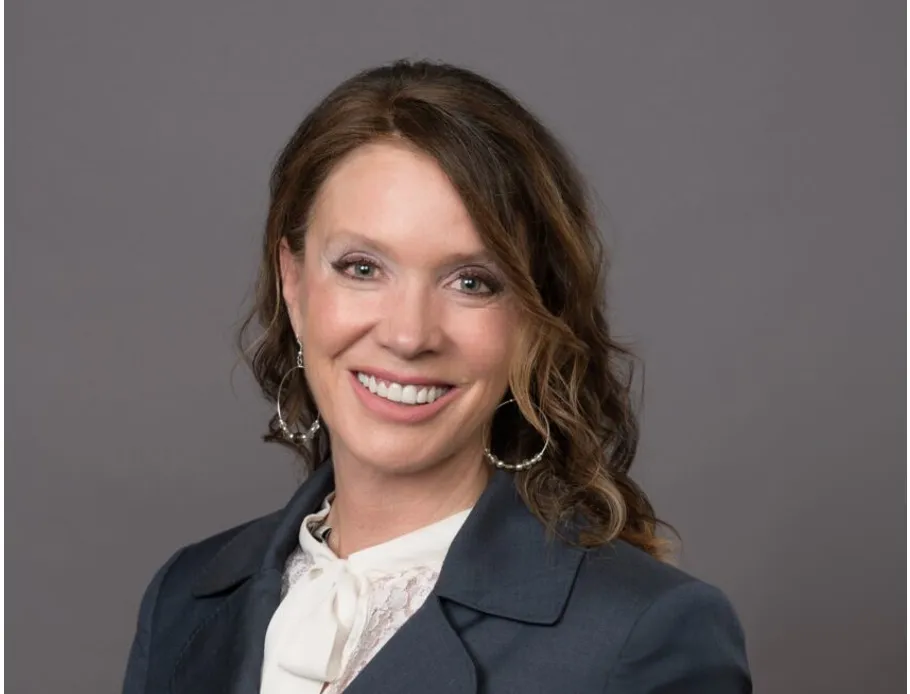
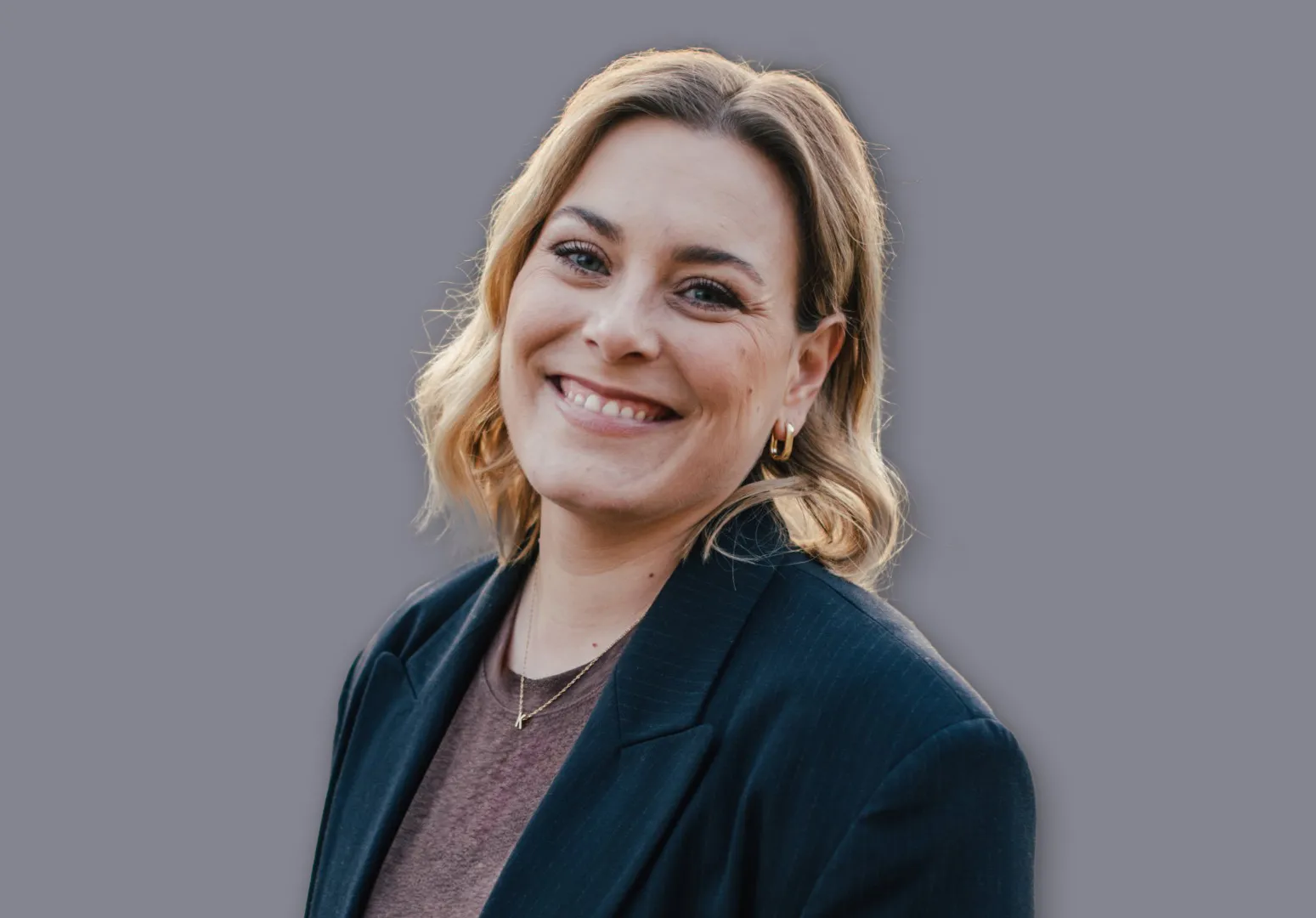
Julie Coker, recently appointed president and CEO of NYC Tourism + Conventions, brings more than two decades of leadership experience in the travel and hospitality industry to one of the world’s most dynamic destinations. Having held senior roles in Philadelphia, San Diego, and with Hyatt in Chicago, she now oversees the strategy for attracting visitors, driving business events, and ensuring New York City remains a global leader in tourism.
In conversation with Iain Stirling, Coker shares what drew her to the role, her priorities for growth across all five boroughs, and how sustainability, innovation, and upcoming milestones like the FIFA World Cup and America’s 250th anniversary will shape the city’s visitor economy.
Iain Stirling: You’re fairly new to the role in New York. What attracted you to the position of President and CEO, and how did you know the timing was right for this transition? Julie Coker: Having had the opportunity to work in two other major metropolitan cities – Philadelphia and San Diego – along with my time at Hyatt in Chicago, New York represented what we’d all refer to as the Mecca when it comes to travel and tourism. The chance to use my skill set and experience from 21 years at Hyatt Hotels, plus my work in destinations like Philadelphia and San Diego, made New York City incredibly attractive when the opportunity arose. As we move further away from COVID and come out of recovery at full steam, I felt this was the perfect time. I was leaving San Diego in a strong position, as we’d emerged from COVID very robustly and were on solid footing. So, moving to a new opportunity like New York City felt right, and the timing worked out well. Iain Stirling: San Diego and New York are dramatically different – one’s quite coastal and laid-back, the other fast-paced. What are the key differences in terms of shaping your approach? Julie Coker: San Diego is primarily a leisure destination – 70% of their business is leisure and 30% is meetings and conventions. They operate 365 days a year because of their weather, whereas New York City has a much more diverse, mature economy. There’s a very strong business travel sector here, plus meetings and conventions, international visitors, and domestic leisure. The approach is extremely different simply because of the diversity of the economy and what makes up the tourism sector. This was meant to be the year we’d be fully recovered from COVID. Although we downgraded our forecast in May, we’re proud that in 2024 we reached 97% of 2019 levels – we’re almost there. Iain Stirling: Are there any unexpected similarities between San Diego and New York in terms of opportunities or challenges? Julie Coker: I actually think more of Philadelphia when I consider New York, rather than San Diego. Philadelphia is the fifth largest city and second largest on the East Coast. San Diego is the eighth largest in the US and second behind Los Angeles. There are similarities between San Diego’s relationship to Los Angeles and Philadelphia’s relationship to New York City. From an urban standpoint and economic diversity, Philadelphia was similar – a third of their business was business travel, a third was meetings and conventions, and a third was leisure. Another similarity I see between Philadelphia and New York is that 42% of Philadelphia’s international arrivals started in New York City. There’s always been that connection where international visitors often begin their stay in New York and make their way south to Philadelphia and on to Washington DC. Other than that, New York City is really in a class of its own because of such a diverse economy and so many different levers driving tourism. This is the number one point of entry for all international travellers to the US. New York often leads with trends that other cities then adopt. Taking the 2028 Olympics – whilst Los Angeles will be the centre, we know international visitors will go to LA but also make their way either pre or post to New York City. New York really is the epicentre of US tourism, and that responsibility is completely different from any other city I’ve worked in.
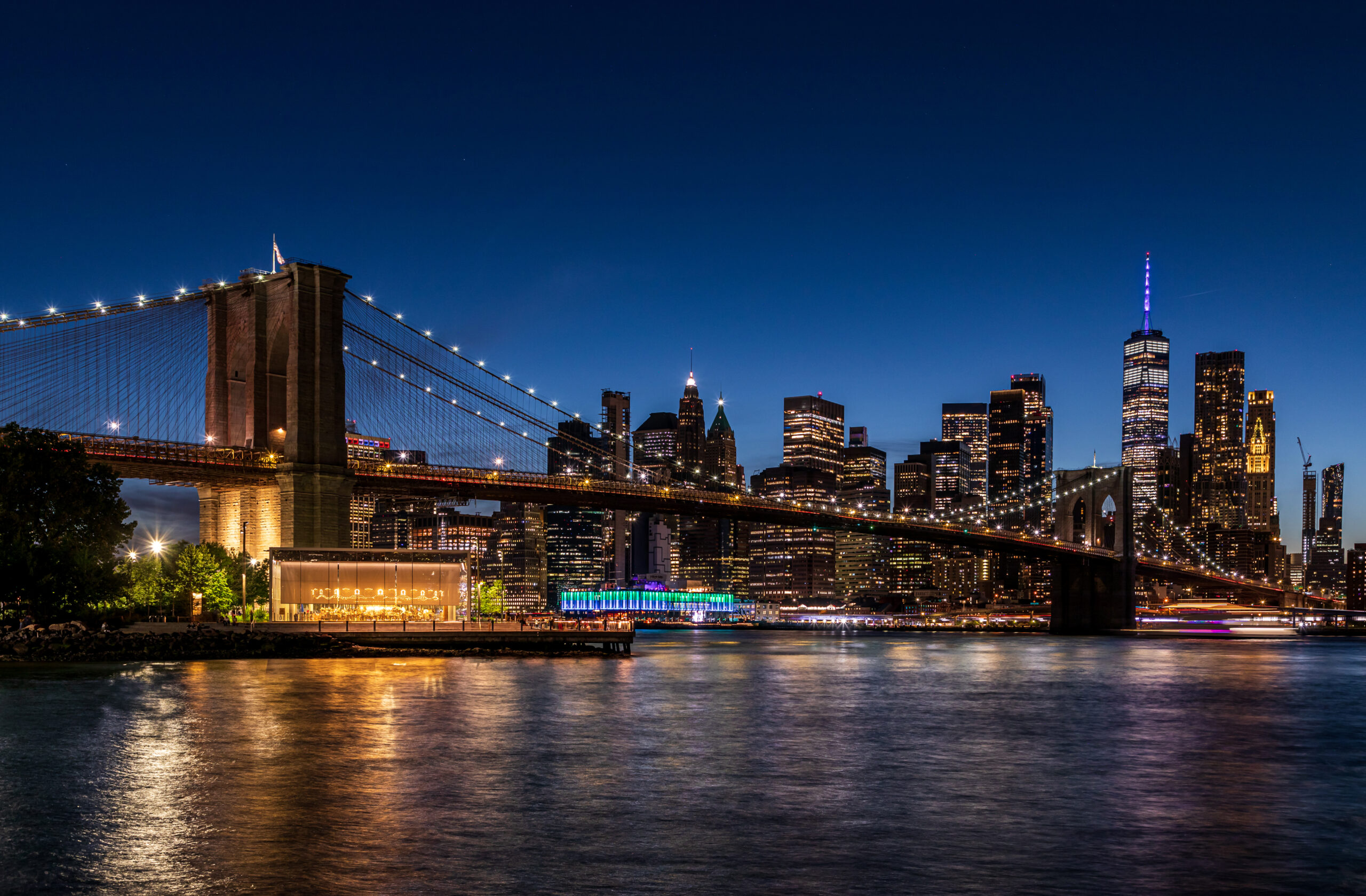
Brooklyn Bridge Park, Dumbo, Brooklyn, NYC
 Iain Stirling: On that note, how do you leverage New York’s multiple industries – finance, technology, medicine, media, etc. to attract business events? Julie Coker: Absolutely. We find that conferences here consistently have record-breaking attendance, whether at Javits or in hotels, partly because attendees can layer on pre and post-visit business meetings. If you’re coming for a conference, you can also meet with customers or partners in technology, finance, real estate, or life sciences. The wealth of our knowledge economy provides experts for speakers and potential sponsors for meetings and conventions. We leverage that backdrop – it’s not just what happens within the four walls of the convention centre or hotel, but what you can incorporate around the meeting, whether special sessions at cutting-edge technology companies or life sciences partners. Iain Stirling: Do you have the breakdown of business versus leisure travel percentages for New York? Julie Coker: Our visitation breaks down to about 80% leisure and 20% business. Roughly half of those business travellers are delegates visiting for meetings, incentives, conferences, and events in the five boroughs. That MICE segment saw 95% recovery to 2019 levels last year. Iain Stirling: How are you implementing sustainability and innovation into your destination marketing and business events strategy? Julie Coker: It’s becoming increasingly important. We see it in most RFPs from meeting planners – they’re asking about our sustainability practices. Our hotel community, especially larger brands like Marriott, Hyatt, Hilton, and IHG, have embraced this with best practices. We’ve rolled out new B2B content and have a white paper on our website dedicated to meetings and conventions, covering topics like food waste and recycling materials from trade show floors. We’re particularly proud of Javits’ efforts. They debuted their expansion in 2021 with a 6.75-acre green roof – the largest in the US. The building is almost entirely glass, which is unique among convention centres. They have aggressive programmes for booth breakdown, allowing organisations like Habitat for Humanity to collect raw materials that would otherwise be discarded. We’re also conscious about spreading tourism across our five boroughs rather than concentrating everyone in Manhattan, helping avoid over-tourism. New York’s world-class transportation system makes it easy to get around without cars, which is much more sustainable. Iain Stirling: What excites you most about leading tourism strategy for such an influential city? Julie Coker: The immediate excitement is the next 18 months. We’re celebrating New York City’s 400th anniversary this year, which leads into the US’s 250th anniversary. We did amazing work with our “Founded By” campaign, lifting up untold stories about underserved communities that mainstream America and the globe might not be aware of. Next year, we’re hosting the FIFA World Cup finals in July, plus eight matches leading up to the finals in June. We’re honoured to host the final game. As part of America’s 250th celebration, we’ll have Sail4th 250 – over 30 tall ships in the harbour. While they’ll be up and down the East Coast, the only place to see them all at once is New York City. There’ll be a real international and domestic spotlight on New York that we’re very proud of. In terms of leadership, we see ourselves as the voice for international travel to the US. We launched our “With Love + Liberty, New York City” campaign prior to the November election, putting the Statue of Liberty front and centre, representing everything New York and the US are known for – diversity, inclusion, and welcome. If we’re the bridge for international travellers to the US, we’re happy to accept that role. What really excites me is our work across the five boroughs. We’re committed to ensuring tourism is equitable for all and that every borough can participate in New York’s tourism economy. Iain Stirling: Are you seeing increased airline connectivity to New York post-COVID? Julie Coker: We’re seeing the return of air capacity. If I’m not mistaken, we’re at or have exceeded our 2019 air capacity levels. Recently, Air New Zealand launched their direct flight from Auckland to New York, now one of the world’s longest flights. We’re seeing connectivity particularly from Australia via New Zealand directly to New York instead of travelling through the West Coast. Qantas is still working on Project Sunrise – a direct flight from Sydney to New York that will be one of the world’s longest flights. Iain Stirling: Looking ahead five years, what would you want people to say about your tenure at NYC Tourism + Conventions? Julie Coker: First, that diversity, equity, and inclusion were at the forefront of our platform, ensuring all New York communities, especially our five boroughs, could grow their tourism efforts. This was a main reason I was attracted to this role—the work NYC Tourism + Conventions was doing with the five boroughs. I believe a rising tide lifts all boats. I’d love that at some point we don’t have to say “all five boroughs” – that visitors are just coming to New York City with even distribution. That means having assets in those boroughs and driving visitation to continue adding museums, attractions, and restaurants. Second, that we continued our international efforts. I think any country, but particularly the US, benefits from having travellers visit – whether dropping children at college, attending meetings, or leisure visits. The exchange of ideas between cultures is extremely important. I want New York to always be the epicentre of that, always the leader in being that bridge destination for international visitors to the US. Lastly, that we helped small businesses around New York City grow. There’s nothing more gratifying than meeting a tour operator or venue owner who says their business has grown because of our work. If we can grow small businesses in our communities, those communities will thrive. Those are the three things I’d love people to say when I eventually retire – far, far down the road!