For global associations, policy groups and technology-led conferences, the question of where to meet is increasingly strategic. Delegates do not simply need a city with strong venues and good hotels. They need access to the people, institutions and ideas that define their sector. In defence, security, cybersecurity and digital resilience, that makes Ottawa a particularly compelling proposition.
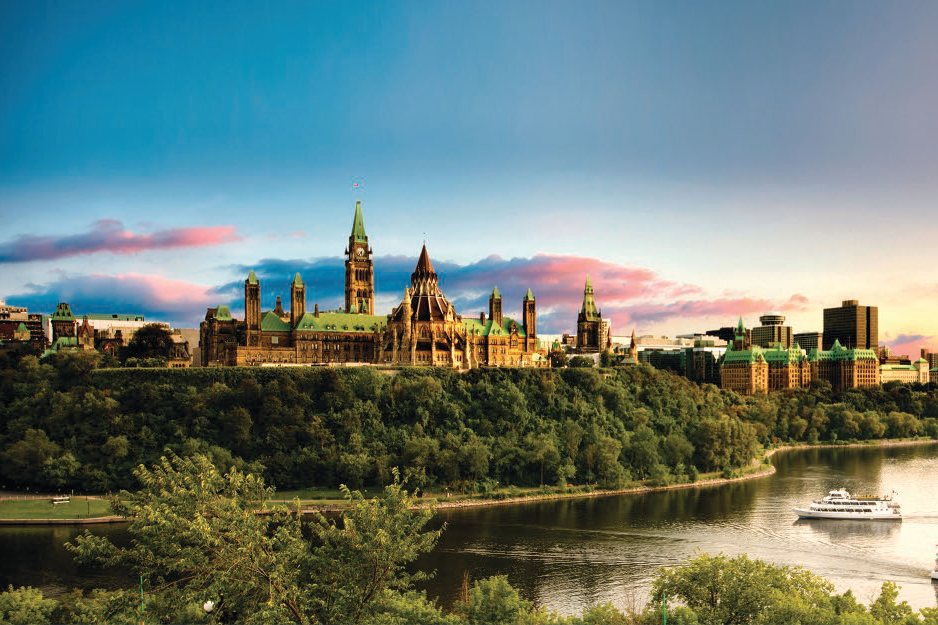
As Canada’s capital, Ottawa sits at the intersection of government, diplomacy, technology, research and industry. It is a G7 capital where federal decision-makers, national institutions, security stakeholders, international missions, academic expertise and private-sector innovators are concentrated in one highly connected city. For organisers working in sensitive, fast-moving sectors, that proximity matters. It makes it easier to build programmes with relevance, secure high-level participation and create legacy outcomes that continue beyond the meeting itself.
This is not simply a question of geography. Ottawa’s defence and cybersecurity proposition is being strengthened by clear civic alignment and fresh momentum across the region. The city’s growing profile in these fields is visible through major event wins, public and private investment, a maturing innovation ecosystem and a partnership model that brings Ottawa Tourism, Invest Ottawa, the Ottawa Board of Trade and sector leaders together around a shared ambition.
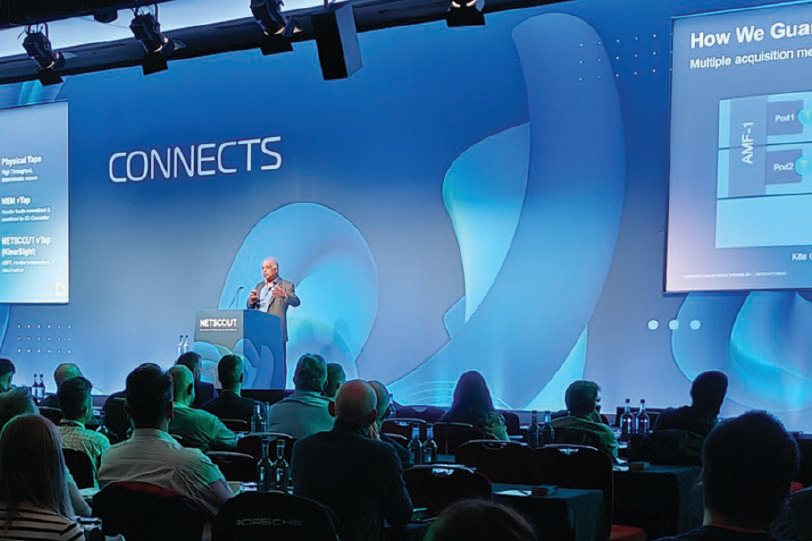
A key recent example is INCYBER Forum Canada 2026, which will take place 1-3 December 2026 at Rogers Centre Ottawa, with pre-events in Gatineau. The international and pan-Canadian conference is focused on cybersecurity, AI safety, digital trust and national digital resilience. It is expected to welcome approximately 4,000 delegates from Canada, North America and beyond, generating more than 5,000 room nights and an estimated CAD$5.4m in economic impact for the region.
The significance of the win goes far beyond delegate numbers. INCYBER Forum Canada brings together public and private sector leaders, international delegations, government, military, security, law enforcement, researchers, large enterprises, SMEs and cybersecurity professionals. In other words, it convenes exactly the kind of cross-sector audience that Ottawa is built to host.
“Hosting INCYBER Forum Canada is a major international win for Ottawa and a powerful vote of confidence in our region’s leadership in cybersecurity, trusted technology, and digital resilience,” says Stephanie Seguin, vice-president, Business & Major Events at Ottawa Tourism. “With Canada’s federal government, world-class research, and a globally connected tech community all here, Ottawa is the right place to convene the conversations and partnerships that will shape a safer digital future.”
Defence calendar & Innovation Week
That confidence is also reflected in the city’s defence calendar. CANSEC, Canada’s leading defence, security and emerging technology event, continues to place Ottawa at the centre of national and international sector dialogue. Its 2026 edition took place at the Cohere Centre in Ottawa, bringing together exhibitors, government representatives, international delegations, media and thousands of scheduled B2B and B2G meetings. For international organisers, CANSEC demonstrates the strength and depth of the local market, as well as Ottawa’s ability to host high-level security and defence communities at scale.
The city’s innovation agenda provides further evidence of this direction of travel. Ottawa Innovation Week, held 8-12 June 2026, brought together founders, researchers, investors, corporates and community leaders across AI, defence, health, cleantech and other priority areas. Its cross-sector focus reflects the reality that defence and cyber now sit within a wider innovation landscape shaped by artificial intelligence, quantum, communications technology, autonomous systems, digital identity, data resilience and critical infrastructure.
This wider ecosystem is one of Ottawa’s strongest assets. The city is home to a 96,000-strong tech workforce, more than 1,800 knowledge-based businesses and a globally recognised technology community anchored by Kanata North. International names including Nokia, Ford, Ericsson, Ciena and IBM operate alongside home-grown success stories such as Shopify, Kinaxis, Ross Video, Fullscript and Mitel. For cyber and defence organisers, this means access not just to speakers, but to companies, testbeds, researchers and potential partners who can contribute to programme content and technical visits.
Ottawa’s academic and research infrastructure deepens that proposition. The city is known for its highly educated workforce, with strong STEM pipelines through the University of Ottawa, Carleton University, Algonquin College and La Cité. The wider research environment includes federal laboratories, the National Research Council and applied innovation assets such as Area X.O, which is helping companies test and commercialise next-generation mobility, communications and autonomous technologies. These are not abstract advantages; they are practical resources for organisers designing conferences around future capability, procurement, digital sovereignty, resilience and dual-use technology.
The Rogers Centre Ottawa remains central to the city’s international conference offer, combining large-scale meeting space with a downtown location overlooking the Rideau Canal and close to Parliament Hill, hotels, restaurants, cultural venues and national institutions.
For defence and security events, Ottawa’s off-site options are particularly relevant, from the Canadian War Museum and Canada Aviation and Space Museum to national cultural institutions capable of hosting receptions, dinners and leadership gatherings with a strong sense of place.
In addition, wider investment is strengthening the delegate experience. More than $1.5bn in public and private investment is flowing into Ottawa’s downtown core, including new hotels, cultural infrastructure, entertainment venues and public realm improvements. Developments such as History Ottawa, the Hard Rock Hotel Ottawa, the AC Marriott Ottawa, the Moxy Ottawa and Ādisōke, the city’s new central library and archive, all contribute to a more flexible, vibrant and accessible meetings environment.
International access is improving too. Air Transat’s new non-stop service between London Gatwick and Ottawa launched in May 2026, adding a third transatlantic connection for the city. It joins Air Canada’s Ottawa-London Heathrow service and Air France’s Paris-Charles de Gaulle route, improving access for European delegates, associations and international delegations. For organisers considering Ottawa for global security, cyber or defence meetings, that connectivity reduces friction and strengthens the business case.
International Convention Attraction Fund
National tools are supporting the local offering too. Destination Canada’s International Convention Attraction Fund has become an important lever for Canadian destinations bidding for major international conventions, particularly where events align with priority economic sectors or national objectives. For Ottawa, ICAF support is not simply about winning business; it helps position meetings as platforms for economic development, talent attraction, investment, policy dialogue and international collaboration.
That is why Ottawa’s defence and cybersecurity story feels so relevant to the global meetings sector. The city offers strong venues, improved airlift and a walkable capital setting, but its real advantage lies in its ability to connect people with purpose. In Ottawa, organisers can bring together government, industry, academia, diplomacy and technology in a city where the conversations taking place on stage are mirrored by the work happening across the region every day.
For conferences in defence, cyber, AI safety and digital resilience, Ottawa is more than a host city. It is a working capital for trusted collaboration.