RX’s global approach to digital and data innovation is laser focused on transforming the F2F event experience by adding value for customers, says chief digital product officer Gaby Appleton, who explains what exhibitors and delegates can expect from a smart RX event and what the next 5-10 years may bring
What is the thinking behind the development of ‘smart events’ at RX, and why should customers be excited by them?

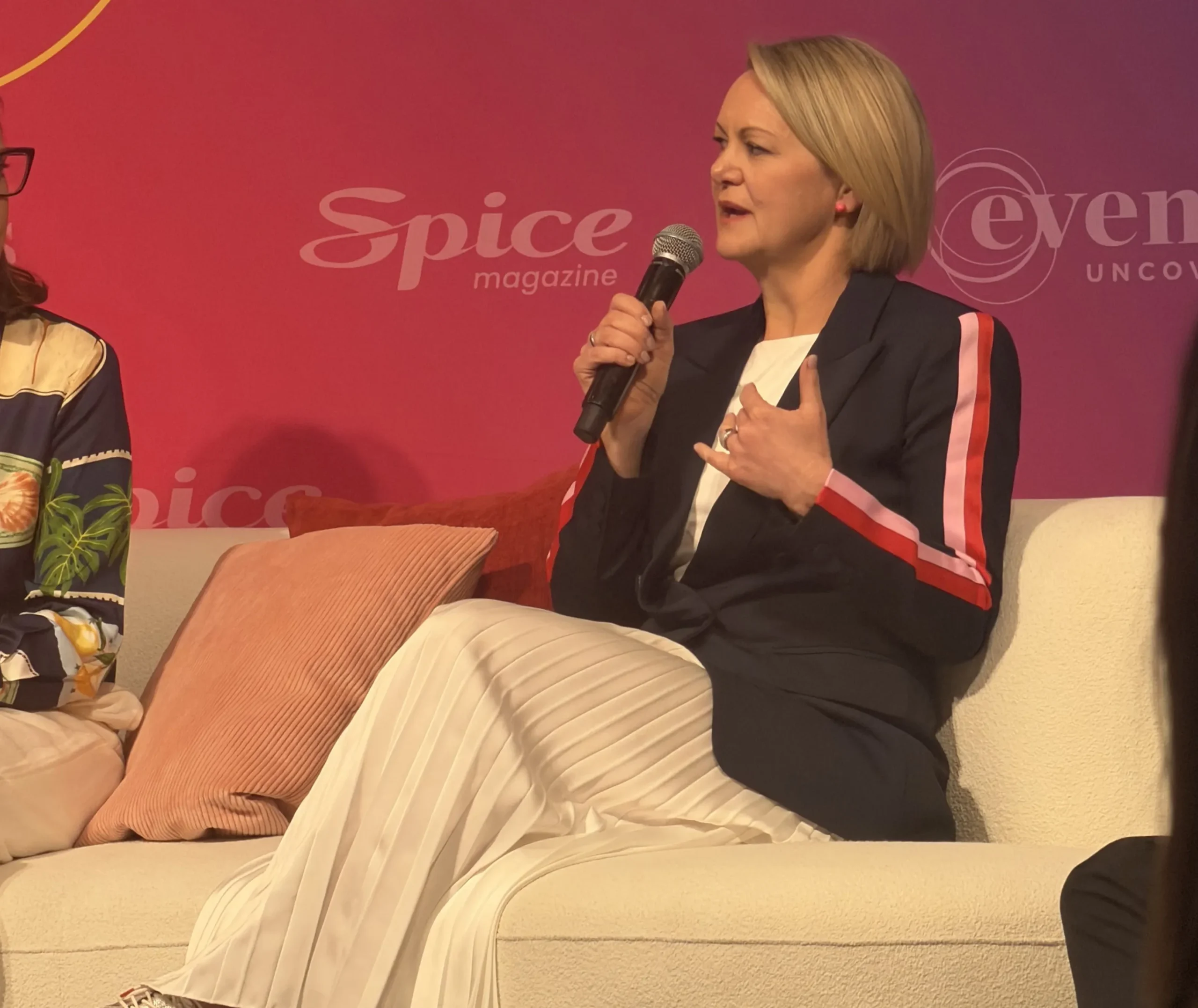
Gabby Appleton, chief digital product officer, RX
Tell us about the tools you have developed to help exhibitors get more from your face to face events?
Exhibitors at our events are essentially trying to do four things. Firstly, they need to make people aware of their company and the fact that they’re attending. Secondly, they want to attract buyers. Thirdly, they want to efficiently capture and qualify the leads; and finally, they should be analysing their results and their performance, with a view to improving. Digital and data innovation at RX is firmly fixed on improving these key outcomes. So, every RX exhibitor now has a core set of digital tools included in their smart event package: a searchable online product directory entry to promote their brands and products; the RX Emperia smart phone app so that they can scan and qualify the leads visiting their stands; and Exhibitor Dashboard to help them analyse their results and improve their performance. There are additional tools such as Premium Listings, Digital Incentives and Exhibitor Dashboard Pro to help customers achieve specific business objectives – be it to highlight a new product launch, generate brand awareness, or gain competitive insights. While it is still early days for Exhibitor Dashboard, over 30% of users at some shows have reviewed their performance. Meanwhile, adoption of our Emperia lead-scanning app has reached 100% at some of our events. 
How can data collection improve customer outcomes?
The Exhibitor Dashboard tool presents exhibitors with data on their trade show leads – who they are, where they came from, what products they were interested in and more – in a way that is easily digestible. It also offers them actionable insights to improve their event performance and key metrics to support decision making and justify their investment. We also offer a PRO version enabling exhibitors to benchmark themselves against other companies in their category. Data collection also allows us to better understand what our attendees are interested in. Last year we ran a series of visitor badge scanning pilots whereby visitors could tap their badges on QR codes to access information at the event. This has informed the launch of a brand new RX app called Colleqt which we introduced for the first time at in-cosmetics Global in March. Visitors could use their mobile phone to scan QR codes within the product feature zones and the Sustainability Zone, and at the end of the day they were emailed all the information they requested – no brochure-laden bags or random mobile snapshots – just valuable information straight to their inbox. Another example is Mercury, our global registration and e-commerce system which makes it easy for visitors to pre-register for our events, print their badges at home or on site. Mercury also allows us to gather data at scale, across the entire customer journey. In recent years we have also launched a number of 365 marketplaces which are adding real value to the markets they serve – including MOM, which offers the Maison+Objet experience all year round, and The Loop, a sample ordering platform developed for the Functional Fabric Fair. As F2F events returned, we found not all of them were still needed and it is unlikely that RX will go wholesale into what I would call transactional marketplaces, but we remain interested in how e-marketplaces can generate more leads for our buyers and sellers.
What sets RX’s approach to digital and data apart from your competitors in events?
Three things. Firstly, we have a global approach to technology and a global technology backbone for our events that allows us to do more with data than anyone else. If you have your portfolio of events completely fragmented across different tech stacks, then it’s painful and expensive to do things once and to do things well. Second, being part of RELX means we have very high technology standards for things like reliability, privacy and security, so customers can have a lot of trust in our products and what we do with their data. Third, we are customer outcome obsessed. So, we’re trying to make sure that everything we do is measurable in terms of the benefit it drives for our customers – they should be confident that they get value for money from it. 
What new digital tools and services can event customers expect to see over the next 5 to 10 years?
My view is perhaps best summed up by William Gibson, author of Neuromancer (the book that became the Matrix film) who said: “The future is here. It’s just unevenly distributed.” In other words, many tools already exist, they are just going to keep on accelerating. Smart phones are a great example, with a lot of what we deliver at show becoming even more optimised for mobile. I can forsee real-time recommendations, and QR codes on absolutely everything, from visitor booths to conference slides. We will see augmented reality being used to help people navigate events, and gamification. Chat GPT and large language models are exploding. Real time translation will also enable participants to communicate instantly in different languages. In fact, the world of the Babel Fish from Hitchhiker’s Guide to the Galaxy being in your ear – it’s pretty much here now.