By Patrick Rush, senior director of strategic meetings operations, Europe & Asia Pacific at Amex GBT Workplace culture experienced a seismic shift when the Covid-19 pandemic struck in 2019. Before this, remote work was a niche practice, with fewer than 5% of UK employees working from home. However, the pandemic thrust remote work into the mainstream, and today, almost half (44%) of the British workforce engages in remote work to some extent. While remote work has had many benefits, it has also had its drawbacks, with in-person collaboration disrupted during the pandemic. This has amped up the importance for organisations to foster enduring connections among their employees, strengthen their cultural framework, and elevate levels of engagement – where business travel emerges as a binding factor for much of the workforce. When navigating the realm of business travel, particularly amid increasing travel expenses and frequent disruptions, companies often prioritise trips that directly contribute to revenue growth, such as meetings with key clients. However, the significance of internal travel within the organisation itself – enabling interactions among colleagues, team members, mentors, new recruits, and potential hires – cannot be overstated in nurturing a resilient culture and enhancing engagement. A new survey by Amex GBT and Harvard Business Review Analytic Services of 425 respondents familiar with their organisation’s business travel finds that 88% say that in-person interactions such as meetings, internal conferences, off-sites, and workshops are critical for ensuring positive long-term relationships between employees and coworkers. But while 60% of respondents say their company supports and encourages business travel in general, fewer (36%) rate their organisation’s approach to business travel as very effective in supporting how the organisation works today. In addition, a lack of support to bring remote workers and teams together is one of the top business travel challenges cited by respondents. Pandemic to present – The problems persist During the pandemic, two major shifts occurred relevant to travel. Non-customer travel wasn’t possible for an extended period, and a vast majority of office employees worked remotely full-time for the first time. These dual circumstances provided greater clarity about the value of face-to-face interaction and travel for internal purposes. A majority of respondents indicate that travelling to meet or spend time with colleagues pays dividends in terms of culture and engagement. Around seven in 10 respondents (71%) agree their organisation realises tangible business value from trips to meet with co-workers in person. Respondents indicate that the greatest business benefits of meeting in person for internal meetings (e.g., among employees, teammates, new hires) are stronger relationships between employees/teams (74%), greater collaboration (60%), stronger organisational culture (55%), greater employee engagement (54%), and increased feelings of inclusion for remote workers/ dispersed teams (46%). The pandemic lockdowns certainly showed how the lack of in-person interaction negatively impacted organisations. Fifty-three per cent of respondents say their organisation had collaboration challenges because of fewer in-person internal meetings during the pandemic, 52% experienced decreased employee engagement, and 49% faced communication challenges. Even as travel bans have been lifted, the research shows that remote working can also take a toll on culture and engagement, with around seven in 10 respondents agreeing that a primarily remote work model can make employees feel disconnected from the organisation. So what now? Executive support elevates managed travel’s impact While travel programmes in many organisations appear adequate, there is room for improvement. Nearly half (47%) of respondents consider their programmes moderately effective, with 13% deeming them slightly effective, and 4% indicating ineffectiveness. However, ‘good enough’ may not suffice in an era where culture and engagement drive business performance. Having a business travel programme that aligns with the needs of a modern workforce is imperative. To enhance the likelihood of this alignment, organisations require leaders who advocate for and support managed travel for internal purposes. Fifty-three per cent of respondents whose travel programme receives substantial support from executive leaders, indicate that their programme is very effective in supporting the organisation’s current needs. Conversely, those who report moderate support from leaders are 30 percentage points less likely to view their approach to business travel as very effective (23%), while those with minimal or no support from leaders are 41 percentage points less likely to consider their travel approach very effective (12%). As organisations continue to navigate the challenges and opportunities presented by hybrid work models, it’s clear that investing in internal meetings and business travel for non-customer purposes remains crucial. By fostering face-to-face interactions, companies can strengthen their culture, enhance employee engagement, and drive long-term success in the post-pandemic era – and the key to that is having executive support.

Guest Author
Unlocking the power of face-to-face interactions in the hybrid era

Comments
Comments are closed on this post.
Trending
Beyond attendance: How conferences can grow membership, strengthen communities and create lasting impact
1 week ago
Australian airfares remain below inflation despite soaring costs, according to Flight Centre index
1 week ago
IMEX America achieves top neurodivergent inclusive event design endorsement
3 days ago
Nearly 9 in 10 destinations improve as Helsinki leads 2026 GDS-Index
1 week ago
PCMA members approve 2027 Board of Directors and Trustees slate
1 week ago
Cairns doctor launches skin cancer conference, with a day on the Great Barrier Reef
2 days ago
Beurs van Berlage becomes a B Corp and achieves Green Globe Gold status
1 week ago
Advertisement

Essential Reads
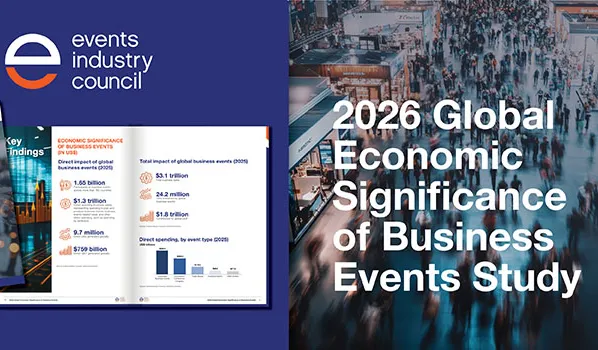
New EIC study finds business events contribute US$1.8 trillion to global GDP
Analysis
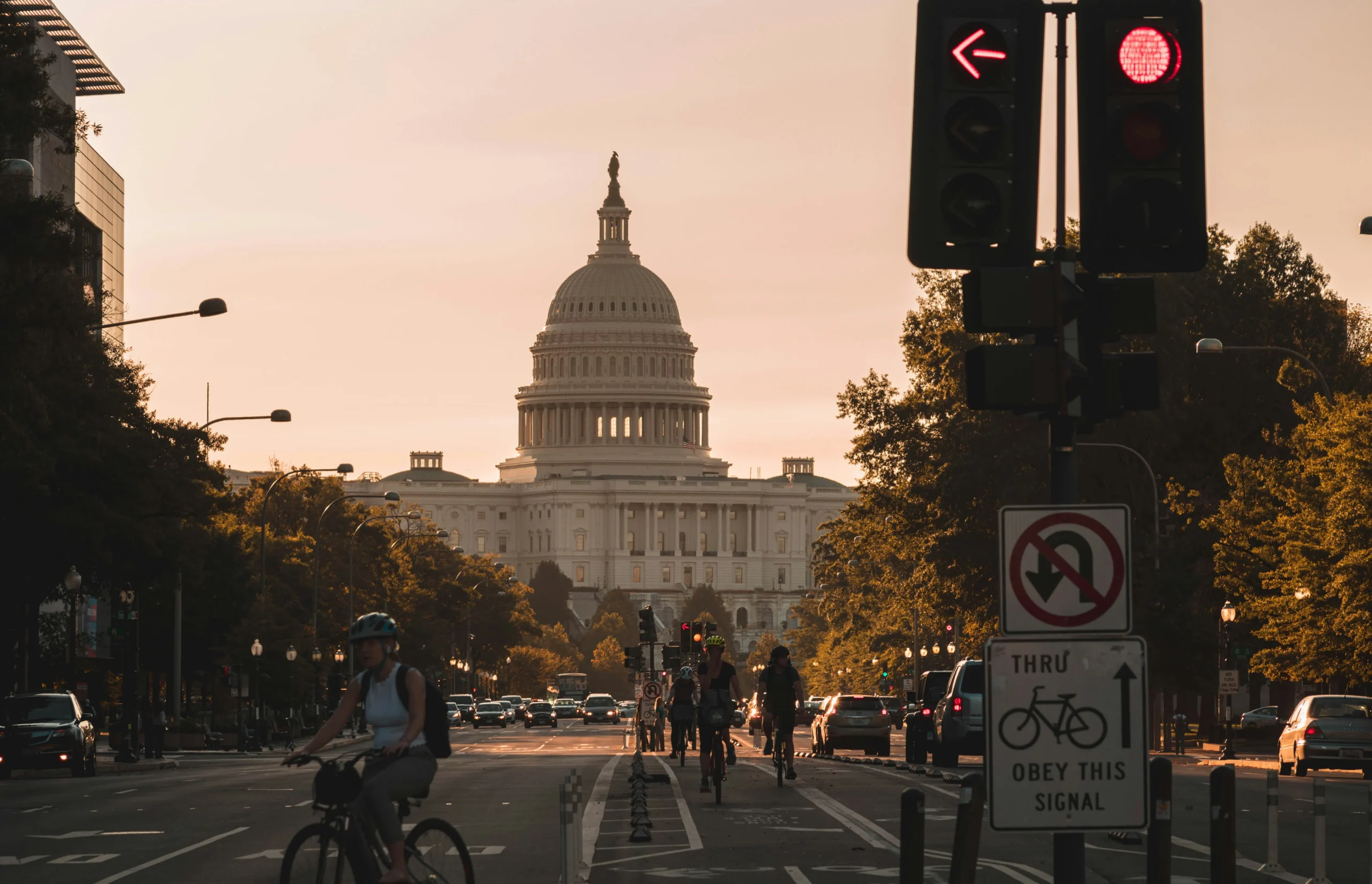
Washington DC bucks trend of US tourism decline with record visitor spending
North America

A look back at November’s IBTM and how event formats are “festivalising”
IBTMWorld

US airports face potential closures amid government shutdown
Business Travel

The countries with the highest business travel spend in the world
Business Travel