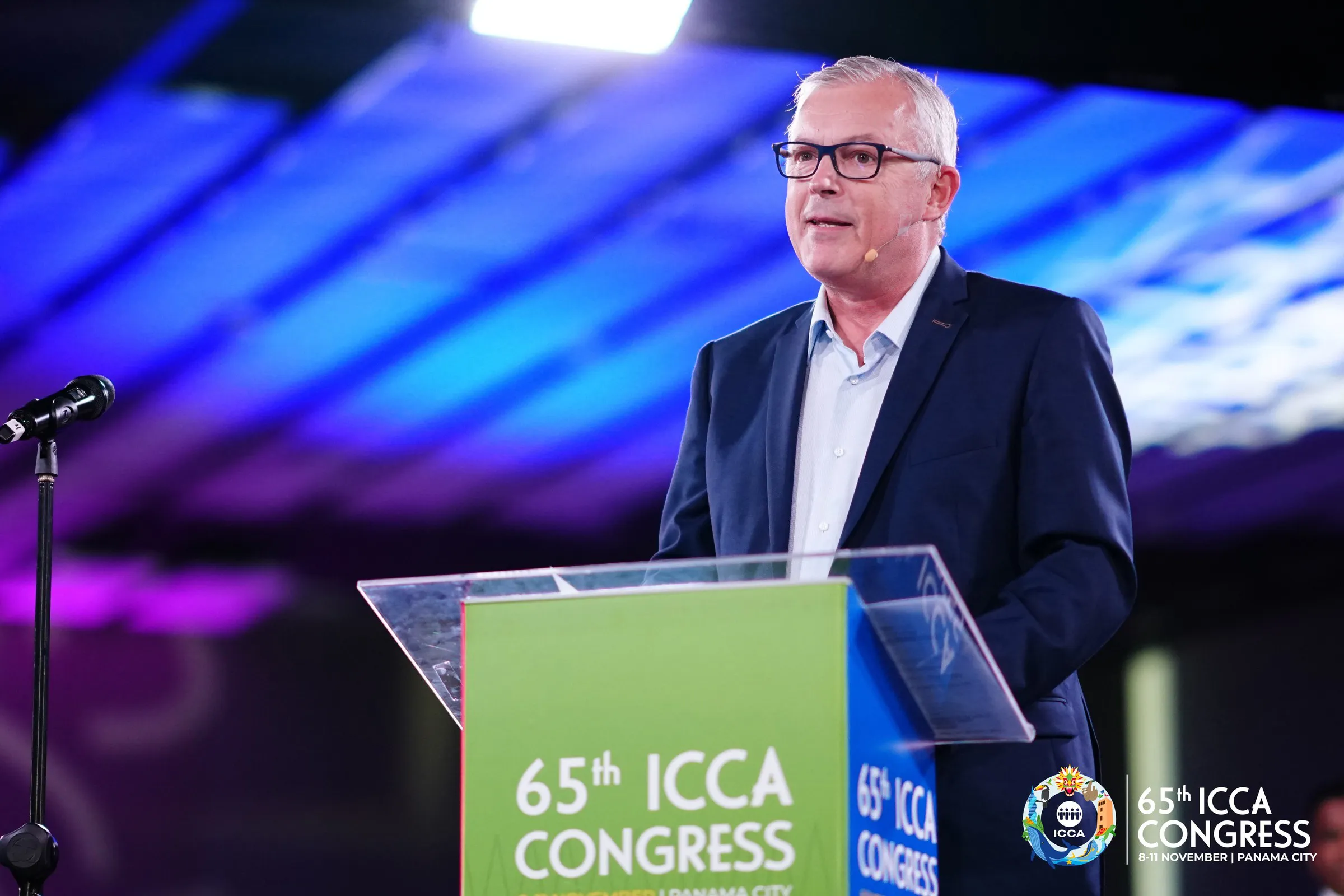
ICCA’s CEO Senthil Gopinath shares a unique take on the highlight event of the global meetings industry, the ICCA Congress:
I have always seen the power of our industry in the connections we make possible. When people come together across borders, cultures and disciplines, they do more than exchange ideas. They build relationships, open up opportunities and create the conditions for progress. I believe this is one of the most valuable contributions our industry makes to the world, and one we should be much more ambitious about demonstrating.
This belief shaped our approach to the 2026 ICCA Congress, in Panama 8–11 November. Under the theme CrossWorlds: The Crossings We Bring, The Crossings We Choose, we are asking a bigger question about what a global industry congress can achieve when we look beyond our own community and connect with the people and institutions shaping the world around us.
That is why we have brought five internationally influential organisations into the co-curation of our programme: the World Economic Forum, UN Tourism, the United Nations Research Institute for Social Development (UNRISD), IEEE, and AC Forum. Each brings a different perspective, from global economic development and tourism to technology, social progress and association leadership. Together, they allow us to explore the forces shaping our industry through a much wider lens.
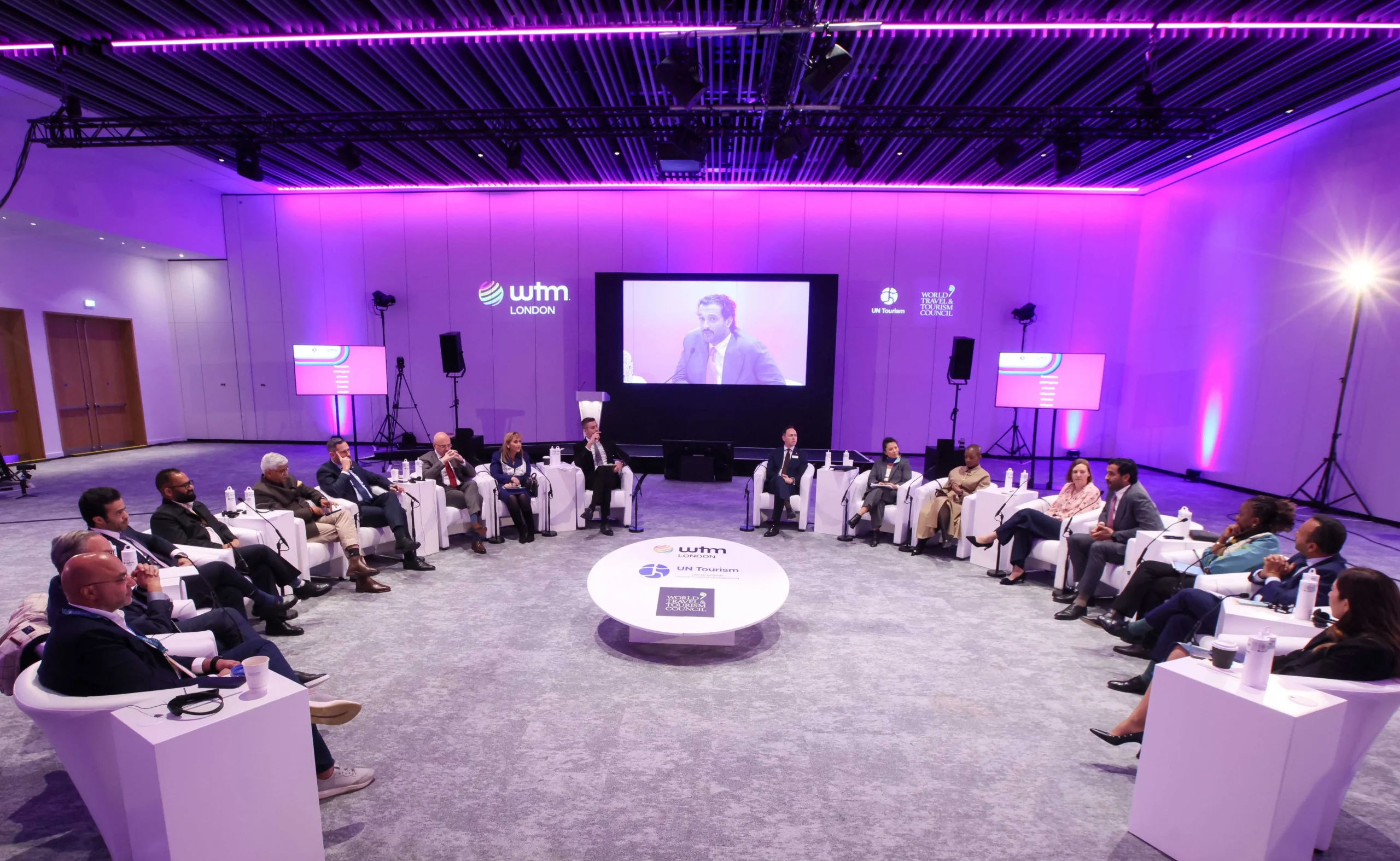
For me, this is what makes the Congress different. Through our Congresses within a Congress concept and multi-modal programme, we are creating opportunities for people who might not ordinarily meet to exchange ideas and find common ground. Some of the most valuable conversations happen when we step outside our usual circles and discover that a challenge facing one sector may have already been approached differently by another.
There is also a strategic reason for bringing these worlds together. If we want our industry to have a stronger voice with governments and policymakers, we must build relationships beyond our own sector. Advocacy is not simply about explaining what we do. It is about understanding the priorities of decision-makers, demonstrating how international meetings contribute to economic development, knowledge exchange and societal progress, and showing where our objectives align. The more effectively we build those connections, the greater our opportunity to influence the decisions that shape our future.
Networking is therefore not an addition to the Congress programme; it is fundamental to its design. Around 60% of the experience is dedicated to bringing people together. I want delegates to have the time and opportunity to develop relationships that lead to something meaningful: a new business partnership, a stronger alliance, an international meeting opportunity or a connection that helps advance a shared ambition. The value of a congress should not end when the final session concludes.
Panama is a fitting place for this conversation. As a crossroads of continents, cultures and commerce, it reflects the spirit of the Congress and the possibilities that emerge when different worlds connect.
My ambition is for delegates to leave Panama with new perspectives, stronger relationships and a clearer sense of the influence our industry can have when we work together.
We know how to bring people together. Now we must be equally ambitious about what those connections can achieve.