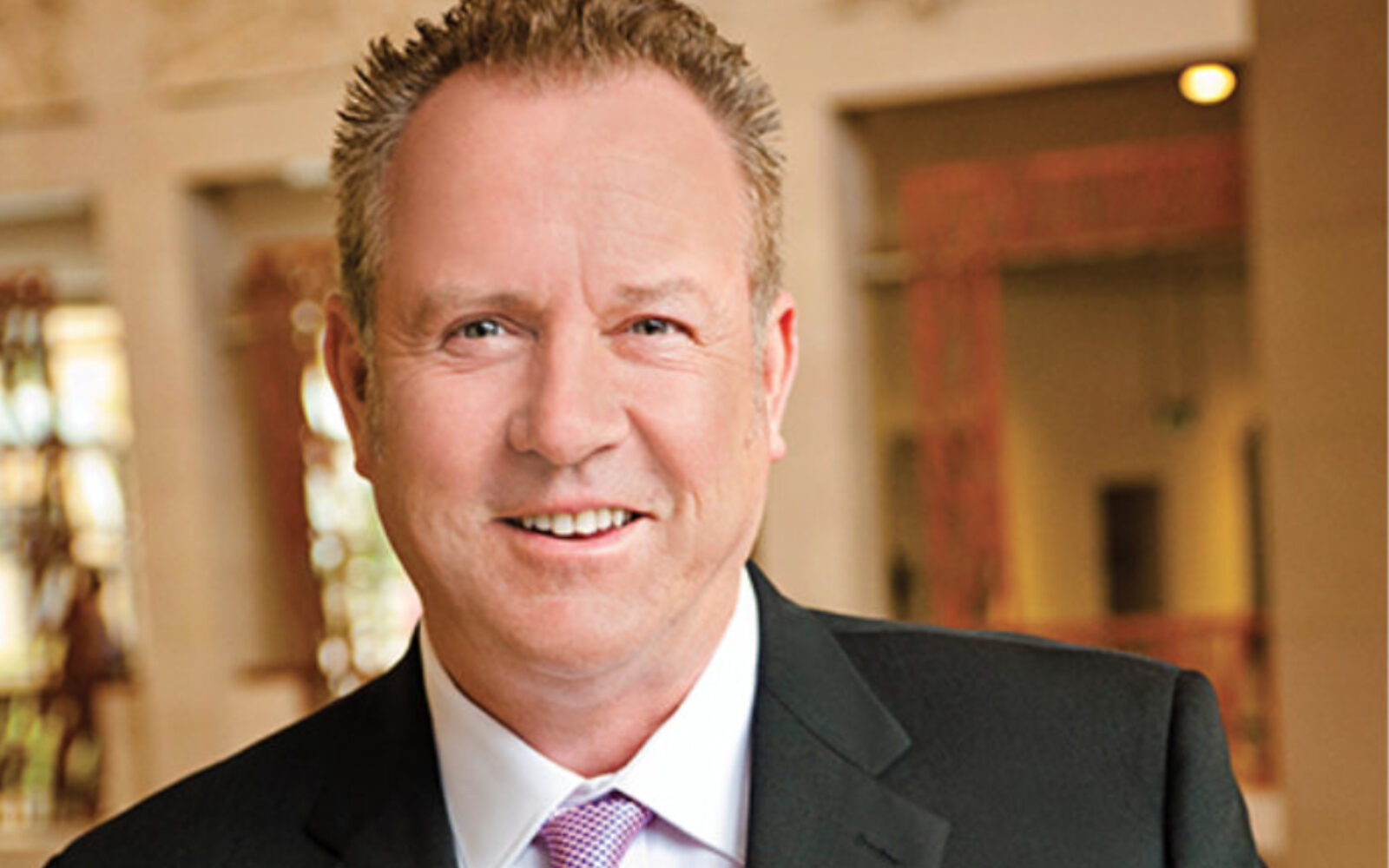
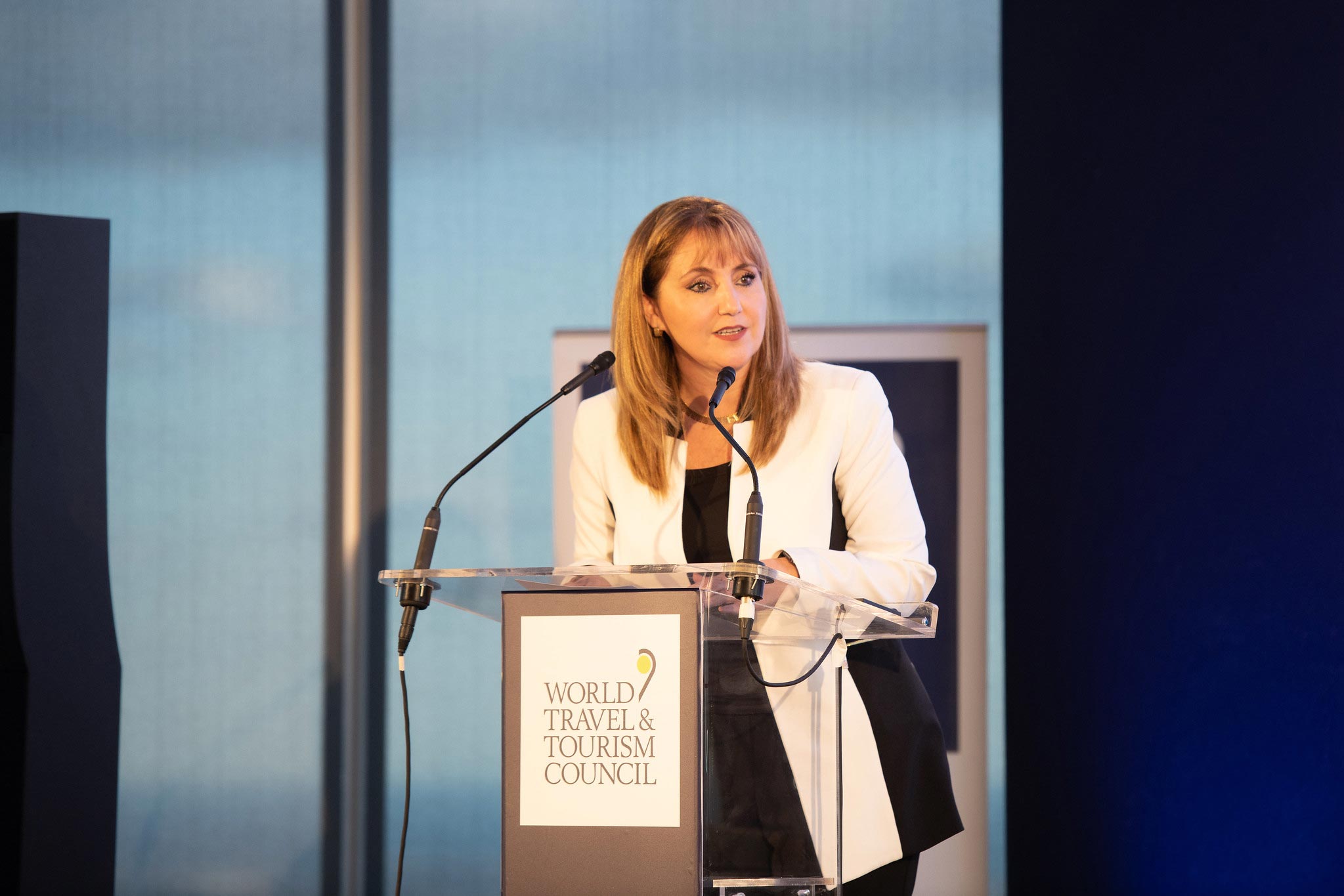
Co-operation between public and private sectors within the travel and tourism sectors is essential to mitigate the impact of the coronavirus, according to the World Travel & Tourism Council. The call from Gloria Guevara (pictured), President & CEO of World Travel & Tourism Council (WTTC), follows the World Health Organisation’s (WHO) declaration of coronavirus (2019-nCoV) as a Public Health Emergency of International Concern. Guevara, former Tourism Minister of Mexico, was closely involved in 2010 with the aftermath, and then recovery, of the Mexican outbreak of the H1N1 influenza virus in 2009, which led to fatalities and a significant impact on the country’s economy. The WTTC has made its call for action as airlines around the world, including carriers such as United Airlines, Delta Air Lines, Lufthansa, Air France, British Airways and Virgin Atlantic, have suspended flights to mainland China to help contain the spread of the virus. Major hotels groups such as Hilton and Accor have also taken action, offering customers free cancellations at a number of hotels within Greater China. Gloria Guevara, WTTC President & CEO, said: “Combatting the spread of the coronavirus is absolutely crucial and the global travel and tourism sector has a vital part to play.” This has included travel providers offsetting the impact on customers by providing full refunds and future flexible travel options to those looking to travel at a later date. “The public and private sectors working in tandem is essential to helping contain the spread of this new virus strain and protecting the public. The resilience of the private sector is shown in its determination to overcome whatever challenges are thrown its way to minimise the economic impact of such events. But there is always more that can be done in what is a rapidly changing situation,” Guevara added. “Information sharing is vital. We would urge even closer cooperation between public and private sectors, not only in China but further afield, across Asia Pacific, Europe, Africa and the Americas. Rapid action can help limit lasting damage and the economic impact on the global travel and tourism sector, an industry that generates 10.4% (US$8.8 trillion) to global GDP.” WTTC pointed out the worldwide economic impact of H1N1 was estimated at up to US$55bn. China, Hong Kong, Singapore and Canada also suffered aa big economic impact after the 2003 SARS outbreak, which is estimated to have damaged the global travel and tourism sector by between US$30bn and US$50bn. China alone suffered a 25% reduction of tourism GDP and a loss of 2.8 million jobs. Analysis of previous major viral epidemics by experts from WTTC, shows that the average recovery time for visitor numbers to a destination was 19.4 months, but with the right response and management, recovery could come in as little as 10 months. WTTC supports WHO recommendations for travellers, and the general public, to reduce exposure to and transmission of a range of illnesses. The recommendations would seem fairly obvious and include frequent hand cleaning; covering mouth and nose with flexed elbow when sneezing or coughing; avoid close contact with anyone who has a fever and cough; avoid direct, unprotected contact with live animals as well as the consumption of raw or undercooked animal products.
WTTC urges public and private sectors to coordinate approach to coronavirus
Co-operation between public and private sectors within the travel and tourism sectors is essential to mitigate the impact of the coronavirus, according to the World Travel & Tourism Council.
Comments
Comments are closed on this post.
Trending
Beyond attendance: How conferences can grow membership, strengthen communities and create lasting impact
1 week ago
Australian airfares remain below inflation despite soaring costs, according to Flight Centre index
1 week ago
IMEX America achieves top neurodivergent inclusive event design endorsement
3 days ago
Nearly 9 in 10 destinations improve as Helsinki leads 2026 GDS-Index
1 week ago
PCMA members approve 2027 Board of Directors and Trustees slate
1 week ago
Cairns doctor launches skin cancer conference, with a day on the Great Barrier Reef
2 days ago
Beurs van Berlage becomes a B Corp and achieves Green Globe Gold status
1 week ago
Advertisement
Essential Reads
New EIC study finds business events contribute US$1.8 trillion to global GDP
Analysis
Washington DC bucks trend of US tourism decline with record visitor spending
North America

A look back at November’s IBTM and how event formats are “festivalising”
IBTMWorld

US airports face potential closures amid government shutdown
Business Travel
The countries with the highest business travel spend in the world
Business Travel
More like this