London-based World Travel & Tourism Council (WTTC) has issued the following statement on the Brexit free trade deal agreed between the UK and the EU: Gloria Guevara (pictured), WTTC president and CEO, said: “The whole Travel & Tourism sector will be breathing a sigh of relief that the EU and UK government have been able to agree a deal at the 11th hour. “It is good news for a sector which has been crippled by the Covid-19 pandemic and which feared the consequences of a no-deal Brexit. Thankfully this worrying outcome has been avoided and now the sector can look ahead to 2021 with more confidence.” British travellers to the European continent could face higher health costs and added red tape, however, and only time will tell what the true consequences would be, the WTTC added. “WTTC stands ready to work closely with governments and other key organisations in travel and tourism to help implement testing and WTTC Safe Travels protocols to enable the recovery of the sector,” the statement continued. The WTTC also called for an to what it called “crippling quarantines and damaging travel restrictions which will only set back further the economic recovery, and instead replace them with a comprehensive, quick turnaround testing regime on departure. This is the only way this sector, which is critical to powering the UK – and the global economy – will survive”, their statement said. UK prime minister Boris Johnson said the deal meant “a new stability and a new certainty”. In terms of travel, British citizens will be able to travel across Europe without a visa for up to six months in a year, and a maximum of 90 days within a 180-day period. Travellers must have at least six months left on their passports before departure and, from 2022, a visa-waiver scheme will come in for visiting certain countries in the EU. Short-term business trips will not be affected, although a visa for anything longer than 90 days is likely to be required for UK citizens. The rules for Bulgaria, Croatia, Cyprus and Romania are different, however and UK citizens could make a 90-day trip to any of them and still not use up your 90-day allowance for other EU countries. The European Health Insurance Card (EHIC) will still be valid for the time being, although the UK will ultimately provide its own version of the card. From January 1, many EU countries will need UK citizens to get an International Driving Permit. That will cost £5.50 at a Post Office. EU, EEA and Swiss citizens will continue to be able to travel to the UK for short trips and holidays (coronavirus regulations permitting) without needing a visa. EU, EEA or Swiss national ID cards, however, will not be valid to enter the UK from 1 October 2021, with a few exceptions. For full guidance on visa issues, insurance and healthcare requirements when visiting UK, check the www.gov.uk website.
WTTC welcomes Brexit free trade deal as ‘good news’ for travel sector

Comments
Comments are closed on this post.
Trending
Beyond attendance: How conferences can grow membership, strengthen communities and create lasting impact
1 week ago
IMEX America achieves top neurodivergent inclusive event design endorsement
6 days ago
Nearly 9 in 10 destinations improve as Helsinki leads 2026 GDS-Index
1 week ago
PCMA members approve 2027 Board of Directors and Trustees slate
1 week ago
Cairns doctor launches skin cancer conference, with a day on the Great Barrier Reef
5 days ago
Antwerp welcomes OpenLivingLab Days 2026
1 week ago
Ex-McCann CEO to lead the EC Group
1 week ago
Advertisement
Essential Reads

New EIC study finds business events contribute US$1.8 trillion to global GDP
Analysis
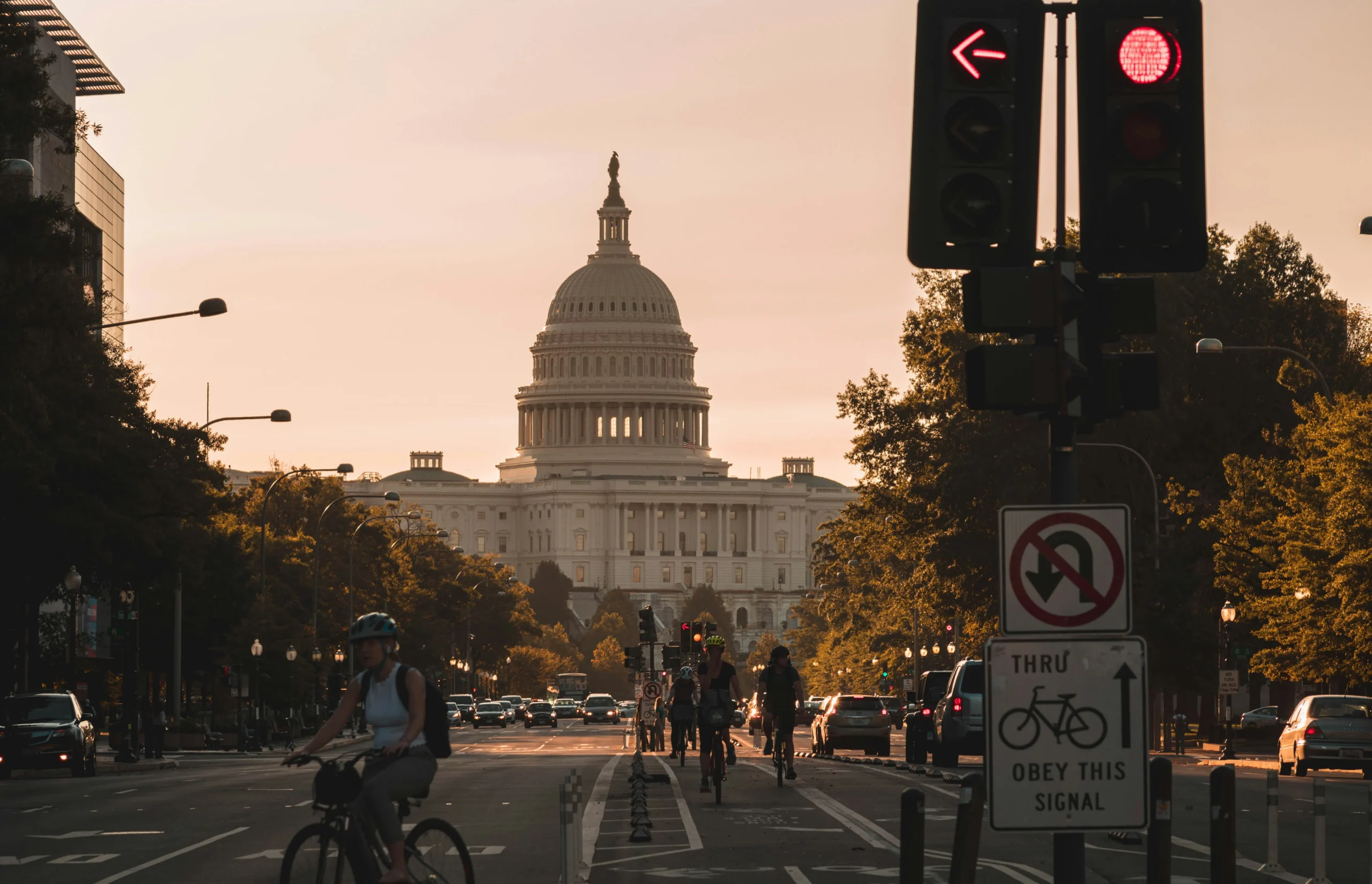
Washington DC bucks trend of US tourism decline with record visitor spending
North America

A look back at November’s IBTM and how event formats are “festivalising”
IBTMWorld

US airports face potential closures amid government shutdown
Business Travel

The countries with the highest business travel spend in the world
Business Travel
More like this