Kit Lykketoft, director of conventions, Wonderful Copenhagen spoke to CMW and delved into the importance of sustainable practices, Copenhagen’s reputation as a hub for innovation, and the enduring legacies and impacts of events in this vibrant city. Kit shares insights and experiences that shed light on how Copenhagen is leading the way in redefining the future of events through sustainability and lasting impact. Copenhagen has been recognised for its commitment to sustainability in business events. Can you share some key initiatives or practices that set the city apart in promoting sustainable conferences and conventions? “When it comes to sustainability in Copenhagen, we can talk about a trifecta of factors that very much go hand in hand. The many initiatives and developments in the city provide a solid foundation upon which you have a local meetings industry that is truly committed to all three pillars of sustainability. And then there are the specific projects – many of which have been developed by us – designed to help event organisers and associations prioritise sustainability and legacy when planning their events. These include our Copenhagen Sustainability Guide, which is a pre-planning tool, highlighting the association’s ambitions and how these may contribute to the Sustainable Development Goals. Copenhagen Legacy Lab is another initiative aimed at helping associations in the pre-planning phase. In this case, it’s all about taking a strategic approach to legacy and long-term impact to ensure an event held in Copenhagen leaves a positive societal impact locally and globally and for the association. Collaboration is another thing that often sets Copenhagen apart, also in a sustainability context. An example of this is how the local meetings industry is working together to further the sustainable agenda. They have a shared strategy, ‘Copenhagen together for positive impact’, and many of them are signatories of our joint sustainability manifesto ‘Planet Copenhagen’. In other words, it is a destination effort to provide a product that makes business events as sustainable as possible.” How has the business community in Copenhagen embraced sustainable practices, and what role do business events play in driving sustainability initiatives? “For Copenhagen’s local suppliers, it’s not a question of whether they should embrace sustainable practices, but rather how they can continue to further the sustainable agenda. A majority of hotels and venues are eco-certified, and many of them have strategies in place that address everything from food waste, energy consumption, water usage and recycling to taking social responsibility and becoming a positive force within their local community. The fact that many international organisers and associations request these types of actions only reaffirms that sustainability is good business for the suppliers. Another important reason for the local business community to continue to go down the sustainability path.” Copenhagen is often seen as a hub for innovation. How does the city foster innovation in the context of business events, and how has this contributed to the city’s global standing? “There is a high level of collaboration between the public and private sectors and academia in Copenhagen, and this triple helix is something that many international associations benefit from when hosting a congress here. It makes it easier for associations and their delegates to connect with local knowledge hubs and ecosystems just as they are never far from Danish solutions and innovation. With so many innovative companies and initiatives, as well as expertise and know-how, based in Copenhagen, the city has become a living lab for congresses and their delegates. At Copenhagen CVB, we make sure to always be at the forefront by basing our initiatives on knowledge, data and collaboration. And because we share what we know, we also get access to insights from others and this way, we believe we contribute to more novel solutions.” Can you highlight any specific examples where innovative approaches in hosting business events have resulted in a positive impact on both participants and the city? “Last year, the UIA World Congress of Architects took place in Copenhagen. On the last day of the congress, UIA launched the Copenhagen Lessons which consist of 10 principles for a rapid and radical change in the built environment to reach the UN’s 17 Sustainable Development Goals (SDGs). And the need for change is enormous. The built environment is a big producer of waste and a major consumer of energy and natural resources and the construction industry alone accounts for 40% of global CO2 emissions and 35% of total waste. The Copenhagen Lessons are the result of the accumulated knowledge from the planning of the congress, and they are already being used by educational institutions and professionals and recognised by the industry. The actual value of the initiative will be clearer over time, but there is no doubt that the lessons have already made an impact. We have been working systematically with legacies from congresses in a long time. Now we expanded the approach and are also applying it to some of our mayor international events. In connection with the World Badminton Championships held in Copenhagen last year, we engaged a group of senior citizens and established a partnership with a senior organisation to promote the sport and create a volunteer program with a special focus on social communities among seniors. We also wanted to strengthen Denmark and Copenhagen’s business relations by leveraging the popularity of badminton. As we started to involve relevant Danish industry stakeholders it became clear that the Danish water sector has significant commercial interests in some parts of Asia that face significant water challenges. The result was a delegation with country-representatives from six Asian countries invited by Danish organisations and associations including the Ministry of Foreign Affairs of Denmark. The international delegation experienced the atmosphere from the event and visited Danish water companies to combine sport and business. Legacy is an important aspect of hosting major events. In what ways do business events in Copenhagen leave a lasting impact? Any particular examples? “In 2022, the 8th Global DIY-Summit was hosted in Copenhagen. Together with the leading DIY professional organisations behind the event (EDRA, HIMA, and GHIN), Copenhagen Legacy Lab launched a ‘DIY LEGACY PROJECT’ with the aim to contribute to a more responsible and sustainable industry. Two years later, the project is now an integrated part of the event organisations’ strategies, and it has contributed to transforming their way of doing business. Another example is last year’s Nordic Blockchain Conference. Together with the association behind the event, Copenhagen Legacy Lab identified the three most urgent challenges that the blockchain community in Scandinavia are facing. These challenges were presented at the conference, leading to the creation of three dedicated steering groups that systematically will work with outdated legislation, attract funding, and promote positive use cases of the technology.” Are there any specific programs or strategies in place to promote diversity within the business events sector, ensuring representation and opportunities for various communities? “Copenhagen’s destination network within the congress and meetings industry, Meetingplace, has an ambitious strategy in place, ‘Copenhagen together for positive impact’, which has a strong focus on ensuring that meetings, congresses and events are inclusive and contribute positively to creating social value. As part of the strategy, the network works to increase the profession’s focus on broader representation and diversity and support customer choice.” Copenhagen is known for its diverse economy. Could you identify the key economic sectors that play a significant role in the city’s development? “Copenhagen is home to some of the world’s strongest knowledge hubs, life science being one of them. In fact, Greater Copenhagen’s life sciences industry is world-leading for R&D spending, clinical testing and drug development and is home to the Danish-Swedish life-science cluster, Medicon Valley. Greater Copenhagen and Denmark also have a strong position within research in wind energy and other energy technologies, just as the area is home to one of Europe’s largest ICT clusters with more than 12,000 companies with expertise in the area. Other key economic sectors include bioresources and food and architecture and design.” How do these key economic sectors contribute to the overall attractiveness of Copenhagen as a destination for business events? “Copenhagen is a gateway to a plethora of knowledge and know-how and, not least, innovative solutions, which makes the city an attractive destination for business events. By hosting a congress in Copenhagen, the organisers and delegates are close to groundbreaking research, big talent pools, and innovative products and solutions thanks to these sectors and their ecosystems being so ingrained in the fabric of the city.” In a rapidly changing global landscape, how does Copenhagen adapt to emerging trends in the business events sector to maintain its position as a leader? The hard question today and in the years to come will be how we maintain our position and, at the same time, walk the road of NetZero. We will continue to take responsibility, and we wish to attract events that want the same. We will also continue to collaborate and share our knowledge and experiences. And, of course, we are also going to look seriously at the many possibilities that come with AI.” Are there specific strategies in place to stay ahead of the curve and ensure that the city remains attractive and competitive for hosting diverse business events? “All of the above + being partners before suppliers.” 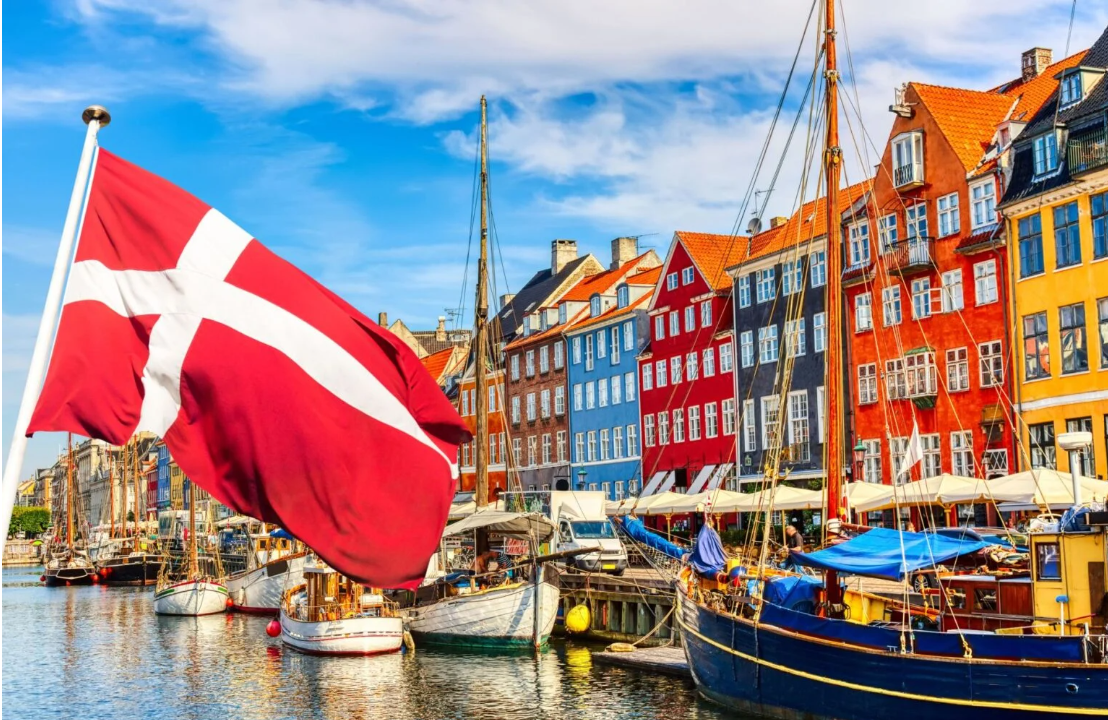

Guest Author
Creating sustainable event legacies: A conversation with Kit Lykketoft, director of conventions, Wonderful Copenhagen

Comments
Comments are closed on this post.
Trending
IMEX America achieves top neurodivergent inclusive event design endorsement
1 week ago
Cairns doctor launches skin cancer conference, with a day on the Great Barrier Reef
1 week ago
GL events awarded 15-year concession for Lima Convention Center
1 week ago
Allied Universal appoints new vice-president of field ops and event services
1 week ago
FCM Travel launches Proactive Analytics to nip cost and compliance risks in the bud
1 week ago
FHS World to return to Ras Al Khaimah in 2027
1 week ago
Estrel Berlin’s Ute Jacobs: How a Neukölln hotel grew into Estrel World
1 week ago
Advertisement

Essential Reads
New EIC study finds business events contribute US$1.8 trillion to global GDP
Analysis

Washington DC bucks trend of US tourism decline with record visitor spending
North America

A look back at November’s IBTM and how event formats are “festivalising”
IBTMWorld

US airports face potential closures amid government shutdown
Business Travel

The countries with the highest business travel spend in the world
Business Travel