By Liesl Leary-Perez, VP of Corporate Marketing, Hubilo: At my first internship working on a trading desk on Wall Street, I learned to power walk in tennis shoes from my apartment to my office to avoid ever arriving late for work. If you told intern-me that 25 years later, I’d be working whatever hours I wanted to work from home, I would have given you the side-eye and avoided you on the subway while questioning your sanity. Yet here I am. Writing this in comfy pants at 8.30pm because I had yoga today. As it turns out, there’s no correlation between where you work, what hours you work, and productivity. As we’ve dipped our toes in unknown, digitally transformed waters, all of us have had to learn new skills and become ruthlessly innovative with how we work and how we gather. For event planners, it’s the same challenge on a different day, a different timeline, and sometimes, on a different channel. It is inevitable that the role and skills of a successful event organiser will evolve further. But what tools will they require to succeed in this brave new virtual and on-demand world? Expanded horizons Pivoting to virtual forms of delivery has been no mean feat, especially in an industry already rated highly for stress. In fact, Forbes had previously assigned event coordination a hefty stress score of 51.15 units – putting organisers in league with airline pilots, police officers, and firefighters. Throw sudden cancellations and a bruising loss of revenue into the mix, and even the most resilient event planner could be forgiven for wanting to run and hide. Instead, something extraordinary is happening: event organisers are seizing the opportunity to reimagine these challenges as new possibilities. Moving into virtual and hybrid spaces allows them to shape events in the ‘new normal’ into something more inclusive, accessible, and engaging than before. Breaking down geographical barriers means that virtual events can reach and connect global audiences with diverse needs, lifestyles, and commitments. Moving to the digital sphere is enabling organisers to be more agile with their planning, as events no longer need to be confined to a predetermined, inflexible place, date, or time. With the worries of last-minute cancellations or new safety measures taken away, virtual events have become the safest route and the de-facto option for connecting global audiences and facilitating networking opportunities, and fostering meaningful connections. Some of the world’s largest events are already demonstrating this. Global CRM company Salesforce has recently unveiled Salesforce+, an always-on-network service including live experiences, original series, and podcasts for business professionals. It’s no longer about the one event on one day, but all the things all the time. Fit for the future The most successful organisers see the need to overhaul the existing paradigm for virtual exhibitions. In a world where ‘video fatigue’ is still all too real, events must move away from tired old platforms that highlight one speaker, while other attendees remain passive on the sidelines. With the right virtual events platform, organisers can build something much more engaging and vibrant. From breakout rooms, networking lounges to gamification features, live polls, and contests, organisers can now take advantage of a raft of integrated features that offer attendees unprecedented levels of interaction and engagement. They can also ensure the right set of buyers and sellers connect with each other using artificial intelligence (AI) matchmaking algorithms. Curating comprehensive product and brand information, exhibitors can ensure their messaging remains clear while hosting engaging visual product demonstrations and converting hot leads. Dive into DIY As non-traditional event planners, such as internal communications and HR departments, are increasingly expected to take on the role of organising pros, innovative hybrid events solutions can help them shape their own DIY event by equipping them with the right tools, technology, and expertise – all in one place. A growing ecosystem of expertise and support is available to help event organisers – of all levels of experience and expertise – craft an event that bears their own unique footprint. Through technical dry-runs, on-the-day monitoring, and post-event analysis, DIY solutions are primed to help organisers realise their vision for the future of events, setting the bar even higher and catering to the evolving expectations and interests of demanding audiences. The rise of the event planner There has never been a more exciting – or challenging – time to organise events. Event planners are the heart and soul of every gathering, which we so badly need. Even as the world recovers from Covid-19, it’s unlikely that people will go back to rigid work schedules while working in offices. People will demand the same flexibility from events. With the right tools and solutions in place, organisers can give attendees the flexibility they want, while still driving the results they need and delivering personalised virtual experiences that engage and inspire every time.

Guest Author
Events aren’t what they used to be: Inspiring future generations of skilled event organisers

Comments
Comments are closed on this post.
Trending
Thailand: Gateway to positive impact
1 week ago
PCMA announces new European Advisory Board
1 week ago
BE Adelaide expands international relationships with new appointments in New York and London
1 week ago
Australia’s priority sectors powering global events
1 week ago
Are you a Legacy or AI-Native producer?
1 week ago
Multi-agency mastery
1 week ago
Septeo acquires MICE platform Backyou
1 week ago
Advertisement

Essential Reads
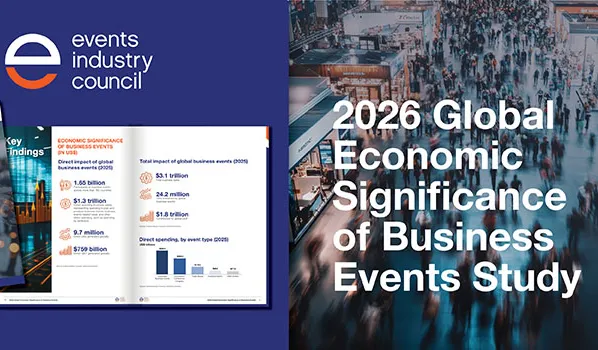
New EIC study finds business events contribute US$1.8 trillion to global GDP
Analysis
Washington DC bucks trend of US tourism decline with record visitor spending
North America

A look back at November’s IBTM and how event formats are “festivalising”
IBTMWorld

US airports face potential closures amid government shutdown
Business Travel
The countries with the highest business travel spend in the world
Business Travel