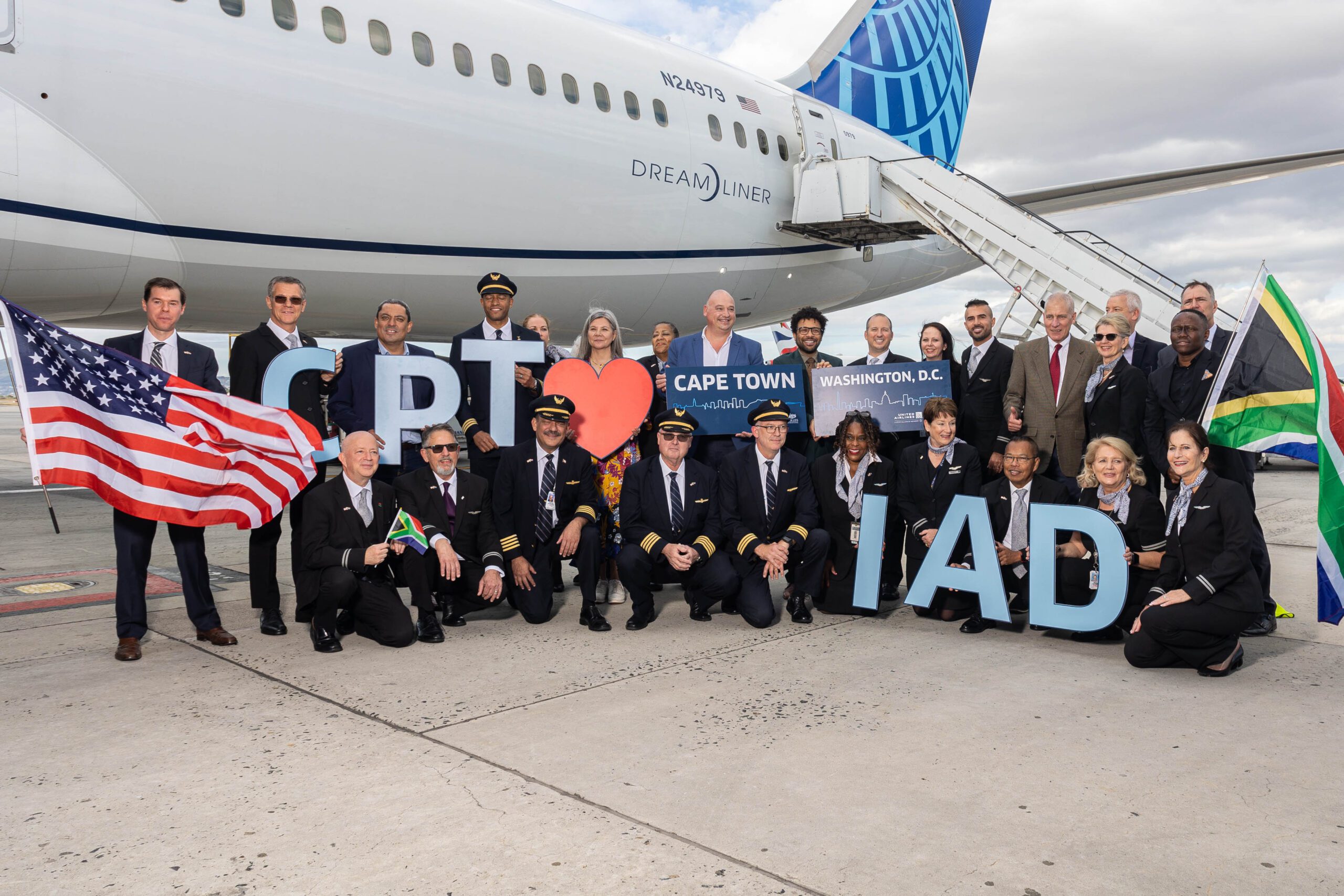
Cape Town Air Access, powered by Wesgro, shares insights into upcoming trends for air travel, concerning the African market in particular: The push for the widespread adoption of environment-friendly air travel is expected to gather momentum this year as the airline industry aggressively implements measures to curtail carbon emissions. The industry, a key driver for tourism and economic growth, has largely emerged from what was its darkest period as the pandemic wreaked havoc across the world. But it is under huge pressure to do more to reduce aviation’s contributions to the warming of the planet, including fast-tracking the adoption of more-sustainable fuels. Another notable trend for the year is likely to be the surge in demand for airline and airport staff, especially pilots, fuelled by the continued growth in air travel. In all this, there is reason to be optimistic about the future of air travel in South Africa and across the world as we look ahead to key industry themes that will likely dominate 2023. Sustainable aviation is non-negotiable In recent years the spotlight has been placed directly on sustainability in the aviation sector. Increased global pressure to reduce carbon emissions from air travel in conjunction with the Paris Agreement on global warming led members of the International Civil Aviation Authority (ICAO) and the International Air Transport Association (IATA) to agree to a resolution of achieving net-zero carbon emissions by 2050. Although the resolution was only passed in October 2022, there has been a significant focus on developing more sustainable technology and reducing the overall environmental impact of flights. The adoption of Sustainable Aviation Fuels (SAFs) – biofuels that have similar properties to normal jet fuel but with a smaller carbon footprint – is one measure that has gained major traction as several airlines have started incorporating the more environmentally friendly fuel in their operations with some carriers even operating their first 100% SAF-operated flights. Airports need to play their role here by providing the necessary infrastructure to supply SAF in a cost-effective manner. A recent study by the World Wildlife Fund (WWF) indicated that South Africa has the potential to become a major producer – and potential exporter – of SAF in future. Beyond technological developments, regulations are also beginning to shift in favour of greener choices. The European Union recently approved French lawmakers’ move to ban short-haul flights in the region, where a decent rail alternative is present – provided the connection is two and a half hours or less. Regulations such as these will become more common-place, especially in developed countries and could have consequences for countries such as South Africa if related regulations apply to long-haul flights in future. Global capacity will remain constrained throughout 2023 It has become clear that the aviation industry has achieved a robust recovery following the Covid-19 pandemic. This has, however, led to many unprecedented issues never experienced before, on such a scale, in the industry. Foremost in mind being the infrastructure constraints and staff shortages experienced by both airlines and airports around the globe. Some of the major airports in Europe failed to re-employ the necessary staff to meet the passenger demand during the peak season and maintain full operations. This led to airports reducing the number of flights allowed in as they struggled to cope with soaring demand. Furthermore, airlines are facing a global pilot shortage. This is mainly due to excessive lay-offs during the pandemic, ageing workforces, fewer new pilots entering the market, and increased barriers to entry (including the cost of training). As demand for air travel continues to rise, it is apparent that the demand for pilots will outstrip the supply in most regions – the situation could even worsen over the next decade. Leaders in the industry expect that there could be a shortage of nearly 80,000 pilots by 2032. On the local front, the demise of Comair has led to capacity constraints in the domestic market. The remaining airlines are incrementally adding more aircraft, and in the longer term the market will likely correct itself and stabilise. The planned terminal expansion and runway realignment for Cape Town International Airport (CTIA) was placed on hold when the pandemic started and with international passenger volumes close to pre-pandemic levels in December 2022 already, these capacity projects should be reviewed as part of the regulatory permission process and be brought forward to enable future development at CTIA. External factors could dampen air travel demand Sector instability will continue as global economic uncertainty and record-high inflation indexes are likely to decrease the demand for leisure travel. Geopolitical conflict in Europe is a serious risk factor for the continued growth of air travel in 2023. The conflict has had a resounding impact across the globe, exacerbating rising labour, fuel and material costs alongside the ever-present emerging energy crisis. With high oil prices, the cost of fuel has surged to about 35% of the aviation industry’s total operating costs, which has forced airlines to keep airfares high. Although the wealthy are expected to continue flying as is seen in the latest trend of carriers filling up from the front, budget travel demand from the general population could decline as households focus on covering basic needs. It is possible that a prolonged downturn, compounded with rising costs, will dampen demand in 2023. However, should demand remain strong, we are likely to see the continuation of the post-pandemic air travel recovery through this year with passenger numbers surpassing pre-pandemic levels. Low cost carriers are well-positioned to weather these economic shocks and could even see an increase in demand as consumers are forced to consider more affordable flight options. Tangible implementation of open skies in Africa will improve connectivity The Single African Air Transport Market (SAATM) agreement is a flagship project of the African Union Agenda 2063 which is aimed at creating a single, unified air transport market in Africa to advance the liberalisation of civil aviation and act as an impetus to the continent’s integration agenda. With the SAATM Pilot Implementation Project (PIP) launched on 14 November 2022, supported by the participation of 17 countries including South Africa, the decision to ‘open skies’ in Africa is expected to translate into greater options for travellers and lower fares. Although Cape Town can expect growth from African markets, especially those that are connected by direct flights, more needs to be done to make travel affordable and easy for passengers. The implementation of e-visas or visa-on-arrival programmes is one of the ways in which travel can be boosted between African countries and is a key requirement for the successful implementation of SAATM. It’s also vital that foreign intercontinental carriers should not unnecessarily be limited in operating flights into African destinations, through bilateral restrictions or policy interventions, as the influx of passengers provides economic stimulus and job creation opportunities in the destination. A delicate balance therefore needs to be achieved between promoting the African agenda and allowing intercontinental tourism and trade to prosper. Cape Town Air Access will continue its mission of improving connectivity and adding capacity to the Western Cape air route network to drive tourism and trade growth in the province in 2023. Wesgro is the official tourism, trade and investment promotion agency for Cape Town and the Western Cape.
Trending
Thailand: Gateway to positive impact
1 week ago
BE Adelaide expands international relationships with new appointments in New York and London
1 week ago
Septeo acquires MICE platform Backyou
1 week ago
Australian Business Events Association calls for rethink on Working Holiday Maker visa changes
1 week ago
New tourism infrastructure boom reflects confidence in Tropical North Queensland
1 week ago
BESarawak CEO Jason Foo appointed ICCA Asia Pacific Chapter chair
1 week ago
Nyaal Banyul launches immersive 360° Virtual Tour
1 week ago
Advertisement

Essential Reads

New EIC study finds business events contribute US$1.8 trillion to global GDP
Analysis

Washington DC bucks trend of US tourism decline with record visitor spending
North America

A look back at November’s IBTM and how event formats are “festivalising”
IBTMWorld

US airports face potential closures amid government shutdown
Business Travel

The countries with the highest business travel spend in the world
Business Travel