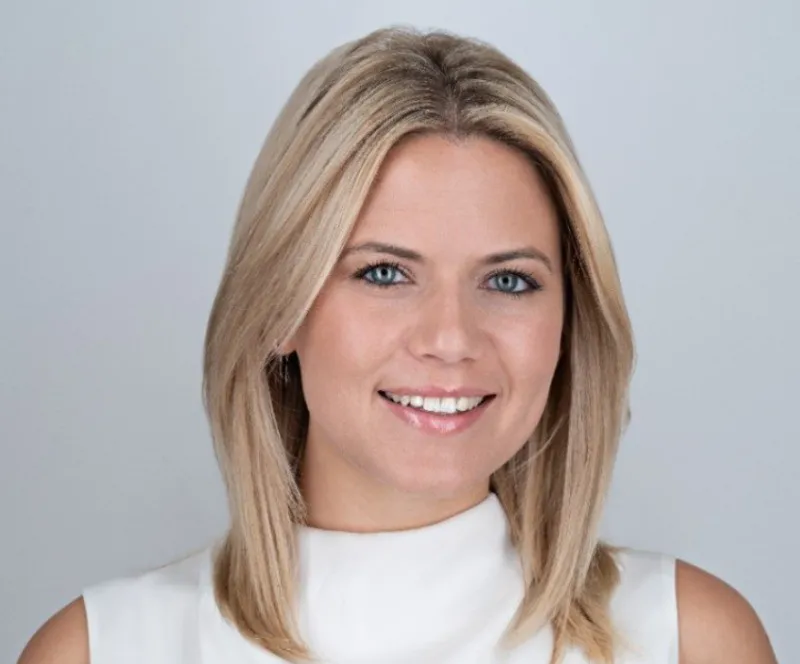
Ahead of the Frankfurt show, 20-22 May, Carina Bauer, CEO of the IMEX Group, talks to CMW’s Iain Stirling about the impact of events on social reconnection and the importance of inclusive event design, leveraging AI for better recommendations, and enhancing accessibility.
Iain Stirling: We understand upcoming features at IMEX Frankfurt in May include new learning tracks, inspiring speakers, and activations to promote social wellbeing and networking. But, I’d like to start with IMEX’s new report: The Power of Experiences. Can you tell me a bit more about it and why the research into loneliness and social disconnection?
Carina Bauer: The concept of ‘impact’ has been our Talking Point for two consecutive years due to its broad scope. This year, we’re examining the higher-order effects events have on society as a whole. Research shows that social disconnection has significantly increased since Covid, driven by multiple factors including remote work, lingering hesitation about public gatherings, and periods of isolation. This trend builds upon the pre-pandemic rise of single-person households in urban areas and Western societies.
At IMEX, while our primary focus remains on our shows and industry, we have team members who monitor broader societal trends. We’ve observed the concerning growth of loneliness and social disconnection, recognising that events themselves offer a natural solution by helping people forge genuine connections and develop relationships. Events serve this essential purpose of bringing people together, whether for business or research objectives.
We believe it’s crucial for event designers and industry professionals to understand that their work extends beyond business outcomes – it creates meaningful social impact through facilitating human connection. Given this important function, we must intentionally design our events to create opportunities for relationships and connections to flourish.
IS: Could there be a confidence issue for some? Our industry is all about networking, so you’d think social interaction shouldn’t be an issue.
CB: It’s essential to consider event design to ensure inclusivity in the broadest sense – beyond just gender or race –focusing on how different personalities engage, how people choose their event experience, and how various types of people form connections. Extroverts naturally network when placed together, but many others require alternative connection methods – through shared experiences, structured networking, or experience trails.
For example, we used Storycraft Lab’s Experience Profiles at IMEX America where attendees could take a short online test. It was fun and not only provided suggested experiences through the event to reduce overwhelm but also facilitated online connections before the event as people discovered others with similar profiles.
Everyone experiences confidence issues. I recall when walking into an AIME networking event, realising I knew few people there since it wasn’t a region I have visited much in the past. I initially planned to leave after 40 minutes, but ended up staying for three hours engaged in conversations. Despite my networking experience, I still felt that initial uncertainty. We need to help people navigate these situations in different ways.
IS: Why should event planners be concerned about social disconnection among their attendees?
CB: There are two compelling reasons for focusing on social connections at events. First, the altruistic motivation: well-designed events have the power to foster meaningful social connections that can truly transform people’s lives and careers. These connections represent a significant positive impact on participants.
Second, from a business perspective, prioritising social connections directly improves key performance indicators. When attendees form genuine connections with others, the event becomes more valuable to them. This leads to higher satisfaction scores and improved business metrics across the board. Importantly, these connections significantly increase the likelihood of attendees returning to future events – and we all recognise that retaining existing delegates is far more cost-effective than acquiring new ones.
By intentionally designing events with social connection in mind, we elevate the entire industry and enhance its perceived importance. From an advocacy standpoint – whether in corporate or political contexts – being able to demonstrate that our work delivers both societal and business benefits creates a particularly powerful value proposition.
IS: The report also discusses the concept of return on relationships as a key trend for 2025, how can event organisers measure and demonstrate this value?
CB: It largely depends on the type of events you’re organising when determining the ideal approach to measuring relationship value. Working with delegates, sponsors, and clients over extended periods enables effective tracking of return on relationships.
Modern methods offer several advantages. CRM systems now log all interactions. Organisations can monitor touchpoints and interaction frequency. Consolidated data provides visibility into exhibitor-buyer interactions over multiple years.
Both quantitative and qualitative approaches are valuable. Leveraging data and technology provides measurable insights, while developing case studies demonstrates business development over time. These complementary methods help tell the complete story around relationship returns.
On a personal level, we can often identify specific business partnerships and trace them back to particular industry events where these connections began. The challenge lies in systematically collecting and sharing these success stories.
IS: What practical steps is IMEX taking to make sure the show experience is more inclusive and socially connected.
CB: We’re constantly exploring AI applications for our events. One key area is enhancing connections, though we’re still in the early stages of maximising effectiveness. At our events, people connect in two important ways: planned meetings and serendipitous encounters. We value both and wouldn’t want AI to eliminate the element of serendipity.
Last year at IMEX America, we integrated AI into our recommendation system. Unlike some events, we don’t automatically match buyers and sellers – buyers select exhibitors they want to meet, and both parties receive recommendations. This system has significant growth potential, and AI is already making a difference.
By incorporating AI into our recommendations, we facilitated 10,000 new meetings based on user behaviour analysis – examining who users had already scheduled meetings with, their directory searches, session attendance, and interests.
We deliberately design our shows so buyers have the flexibility to craft their own schedules and dedicate time to exploring the show floor, having impromptu conversations, attending educational sessions, visiting wellness areas or quiet lounges to decompress, or participating in activities like yoga. Giving attendees multiple ways to engage with the event ensures they have an enjoyable experience and want to return.
Accessibility project
Beyond this, we have an ongoing accessibility project that looks at making our shows accessible to all types of attendees. Inclusivity isn’t just about gender or race; it encompasses accommodations for wheelchair users, people with hearing difficulties, those with food allergies, and many others.
We’re examining everything from website colour palettes for the visually impaired, to providing automatic translation through headphones for education sessions, to publishing food menus in advance for those with dietary restrictions. We recently had a company conduct an accessibility audit of IMEX America and we are implementing their recommendations.
Our ultimate goal is helping people experience the show in ways that allow them to make meaningful connections and have positive experiences – driving return on relationships.
IS: There’s so much more to organising an event these days, isn’t there?
CB: Absolutely, and it’s important to recognise that as event organisers, our role goes beyond simply managing logistics. Of course, the industry has been discussing this for 25 or so years now. But I believe we finally have the science to truly understand what that means for our specific events. And it’s important we apply that understanding, because ultimately, it leads to more successful events and a stronger, more successful industry overall.
IS: Your report also suggests that events could be architects of health and wellbeing. So, what specific strategies or elements can be implemented in event design to promote attendees’ mental health and social wellbeing?
CB: Again, simply being around others makes a difference. Often, it’s the small things that have a big impact. For instance, publishing food menus in advance and accommodating dietary needs like allergies or vegan options is a simple step that helps. Making sure people with mobility or accessibility challenges know how to navigate the event, and providing an easy-to-find contact email for pre-event questions, can go a long way toward reducing anxiety.
Quiet spaces are also important, as are co-working areas – we now include those at our shows. We know people still have emails and calls to handle during events, so it’s about giving them that flexibility and space when they need it.
Another initiative we’ve expanded is our First Timers Programme. That includes a webpage with tips and tricks, opportunities to connect with experienced attendees, a pre-event webinar on what to expect or pack, and meet-ups at the show. All of these are designed to help newcomers feel more comfortable and make social connections. A simple webinar or LinkedIn connection beforehand might lead to meeting for coffee or having someone to dine with later.
A lot of these ideas don’t require major budgets or time, just a bit of planning and someone to take ownership.
IS: Are there any examples that you can relate to in terms of other events you’ve attended, where you can see notable efforts for social interaction?
CB: What’s really fresh in my mind right now is SITE Global, since I was just there a few weeks ago in Mexico. One simple but powerful thing they did during a general session really stood out: they asked everyone to stand, and then gradually had people sit down based on how long they’d been members: five years or less, ten years or less, and so on. In the end, only a small group –maybe those