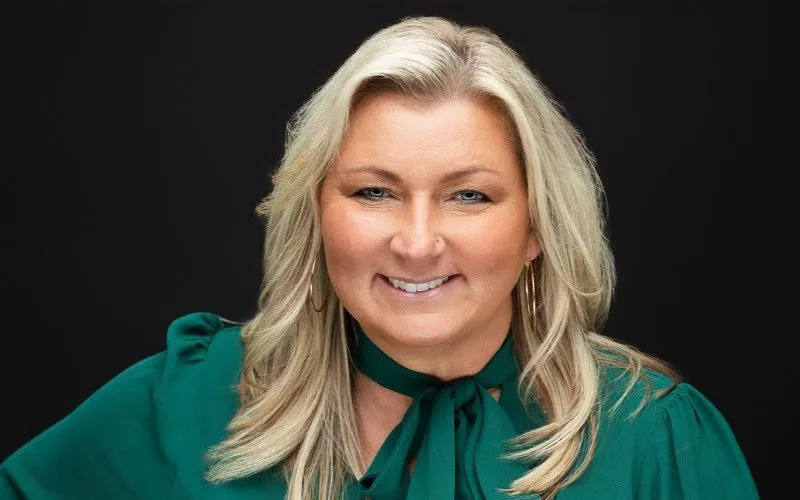
Catie Owen speaks to David Thompson, event director for IBTM World, about the highs and lows of hosting in 2021 and the lessons learned along the way As one of the leading events for the meetings and events industry, you’d be hard pressed to find a global MICE organiser who hasn’t attended an IBTM World. During the height of the Covid-19 pandemic the show, like many events, had to make attendance an online-only experience. After two years of virtual networking and exhibiting, the in-person event that the industry knows and loves returned in 2021. But, for many organisers, their own events have only just returned this year – or are still postponed until 2023 and beyond.  Reforming events for a post-pandemic world is no easy task – and no one knows that better than IBTM’s event director, David Thompson (pictured left). David’s over 14 years of experience in the industry has seen him produce events for companies including the BBC, Clarion Events, and Haymarket Exhibitions. With IBTM World’s second post-pandemic run right around the corner, David has shared how this year’s event has been influenced by both the heights and pitfalls of 2021. Catie Owen: 2021’s IBTM World in Barcelona was the first held face-to-face after two years, what were the biggest challenges to organising and hosting the event post-pandemic? David Thompson: The main focus was around safety. When you look at Maslow’s hierarchy of needs, the primary ones focus on food, water, and safety. What we were doing before Covid-19 was trying to give an emotional and memorable experience – navigating safety as an issue was not the same. Following Covid-19, making sure that people could walk into the environment feeling safe and comfortable was very important, and the key that allowed attendees to go on and have a memorable positive experience. In terms of what they then saw at the 2021 event, there were a lot of safety precautions put in place when they arrived at the venue to make them feel like they were in a safety bubble. That was definitely a challenge. The upside of that is that it made us really unearth every element of the event. We learned that our hosted buyers spent a lot of time queuing on their journey, all through the airport and into IBTM. Things like that contributed to an unsafe environment. We felt we should completely change the game in terms of the experience that you’re able to give the buyers, so managed to reduce the event’s queue time from an average of 20 minutes to zero. Another challenge, seen across the industry, was around the buyer. What we all saw back in 2020 was this mass exodus of the industry and a greater change of job roles. We had to invest more time and money into building our data and our buyer relationships. From here, successfully brought about 1400 buyers into last year’s event. To be really honest, that’s not what we achieved in 2019, but in 2021’s environment it was a major of success to achieve. Trying to run a major event in a landscape that keeps changing is very difficult. The challenge, when we isolated it, was down to travel confidence. That was obviously impacted by Covid-19, especially when we never knew when the spikes were coming, or where they were coming from. Which, when you run a global event, was difficult to manage. CO: What were the key lessons you learned from hosting in 2021? DT: Virtual experiences can work in the right scenario, they just don’t work to run in unison with a live trade show. In 2020, we actually did run a very successful virtual event. Then, in 2021 we were at a stage where the world was coming back together – there were 72 countries in-person at the event. The reality was, although virtual had allowed connections to come together, it wasn’t a long-term solution. The real value in hosting events is the face-to-face experience, which is a catalyst for building meaningful business relationships. Another lesson that we also learned was that we can still deliver an event in a challenging environment with a good team around us. Pre-pandemic, our teams mostly held weekly in-person meetings. But now, we’ve established daily meetings where my teams have been able to quickly tell each other what the global landscape looks like. I’ve got amazing people that work on IBTM World, working closer, and speaking to each other. Additionally, in 2020 everything stopped. When it did, we saw the resilience of the industry. Even though everything stopped, we kept moving forward.
  CO: How did these lessons inform planning for this year’s event? DT: This year we’re building a theme around the way business events create culture. From speaking to our community, we believe that a face-to-face experience drives and influences the direction that an event’s culture goes in. Events have always been the place to create the connections that your business needs. But today, they’re more than just a place to connect. They’re now the unique place to create real human cross-team and cross-business cultures that are essential for shared visions and better business. When you when you put these events on, you have other mini communities that are coming together at that all have their own cultures. This is not just internally within their companies; our exhibiting destinations and partners have huge, rich cultural heritages. As international event organisers, we’ve learned that if you align the culture of what your business represents with the culture of the destination that you’re running your events in, you can make an even bigger impact and a memorable experience. We believe that just seeing a speaker is not enough in terms of being someone’s solid reason for coming to an event. A lot of our content is still going to focus on education, but also networking and immersion as well. Our attendees are going to be involved, and they’re going to come out of each session and having built at least one connection. Another lesson covers technology. Last year, we learned that implementing technology has to be sat around your value proposition. When we looked at that, we asked: how can technology make event engagement stronger at IBTM World 2022? We now have a long-term agreement in place with one of our software partners who are going to help us drive a stronger experience for our buyers and exhibitors. This will sit primarily around matchmaking, so that the matches we create between two participants will be stronger. There’ll be more healthy meetings between them and more buyer leads in conversations. This year, we’ve recognised that learning and other additional experience opportunities can lead to richer conversations. For this, our team is creating bespoke experiences for our buyer personas. For our association buyer personas for instance, we have an association programme that has been adapted to make sure that the content is tailored to what they need or want. They want to have a lot of discussions that give something tangible to solve the challenges in their sector. For the corporate buyers, it’s about creating a ‘wow’ experience. With the corporates, we’re having a day where they experience various activities throughout Barcelona. They’ll go on different tours, experience venues, types of foods, and maybe a few cocktails as well. These experiences will stoke richer conversations and business connections.
 CO: How have the needs of exhibitors and visitors changed post-pandemic? DT: The core themes that come up often are sustainability, diversity and inclusion, and technology. Both exhibitors and visitors want to learn how to tackle these developing challenges that we’re currently seeing. Alongside these, some immediate issues that we’re all facing are the present staffing shortages, inflation, the supply chain, and business needs. We’ve designed our programme to give attendees insight into how to tackle those. We all want to get back to what we love, which for us is building events that drive business cultures as well as driving the sales and marketing leads brought into the organisations that attend the event. CO: What was IBTM World’s biggest success last year? DT: Overall, we were proud to put something together that was helping to grow the industry. It felt like it was the first major event in Europe where we could see the industry pick up again – it was very emotional and fascinating. The biggest success was simply getting people together again – bearing in mind that Omicron started up about two weeks before the event. Although it really kicked in the day before IBTM World, we still managed to achieve 7,000 attendees including 1,400 buyers from 72 countries. At the event itself, we saw the industry start to rebuild their relationships and make new connections; it showed just how much events are needed.
The thick and thin of IBTM

Comments
Comments are closed on this post.
Trending
Cvent Accelerate returns to Sydney for fifth edition
1 week ago
China Ready® Workshop to return to WTM Africa 2027
1 week ago
CEMA’s largest Summit registers record-breaking attendance in Toronto
1 week ago
Qatar Event Show signals sector momentum with bigger 2026 edition and new industry awards
1 week ago
Events help deliver a record A$2.3bn boost for jobs and growth in Brisbane
6 days ago
Half of Australian travel managers can't prove ROI to their own bosses
1 week ago
Penang to host international conference on intelligent manufacturing and robotics
5 days ago
Advertisement
Essential Reads
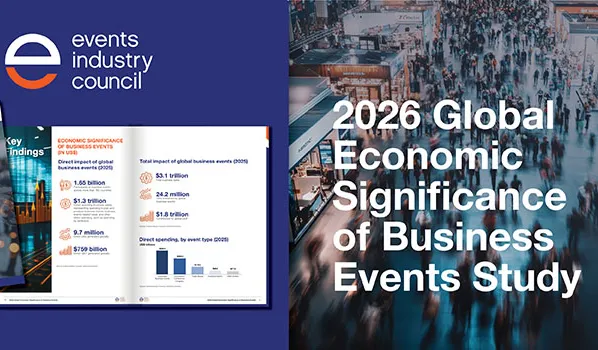
New EIC study finds business events contribute US$1.8 trillion to global GDP
Analysis
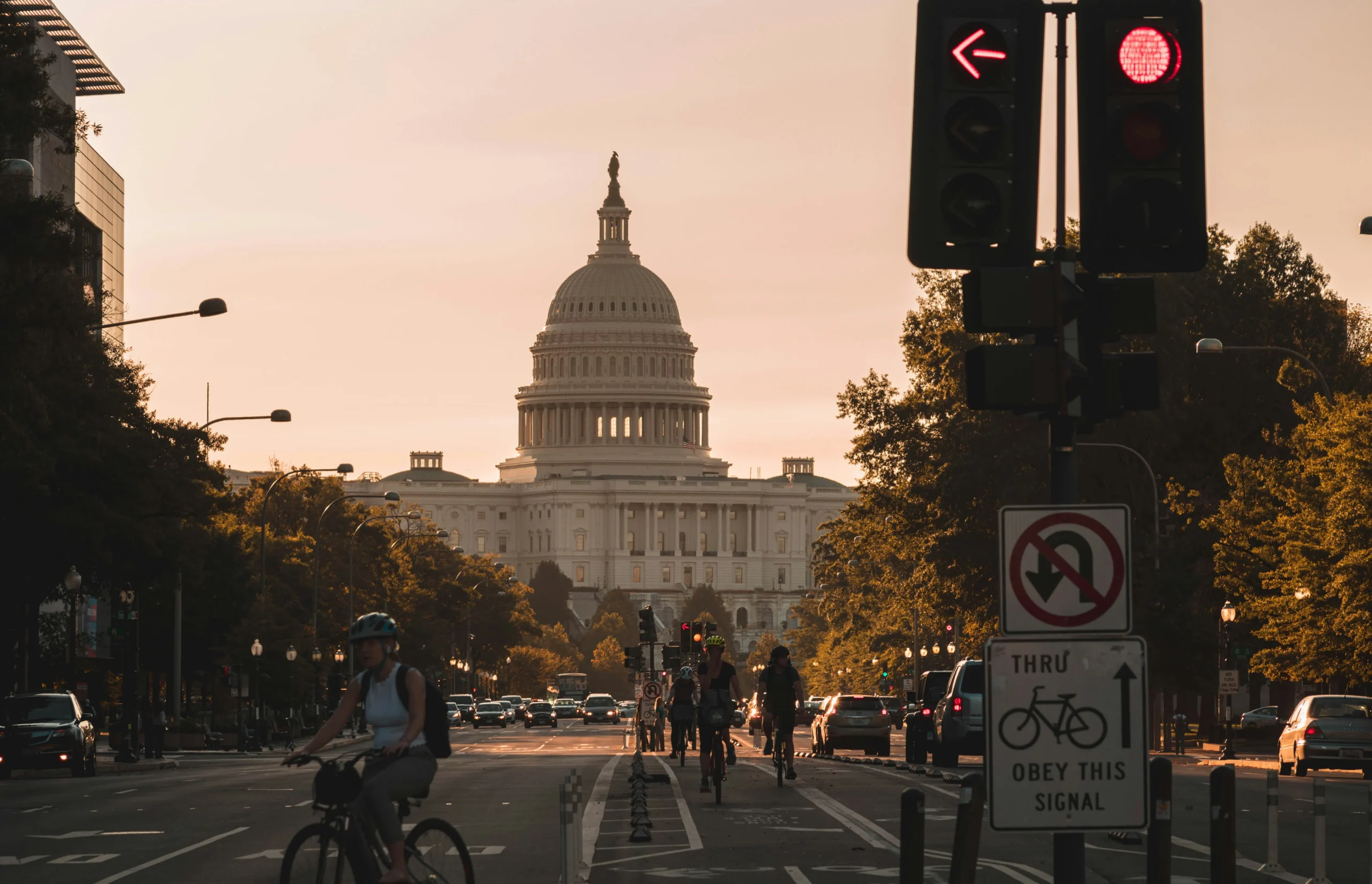
Washington DC bucks trend of US tourism decline with record visitor spending
North America

A look back at November’s IBTM and how event formats are “festivalising”
IBTMWorld

US airports face potential closures amid government shutdown
Business Travel
The countries with the highest business travel spend in the world
Business Travel