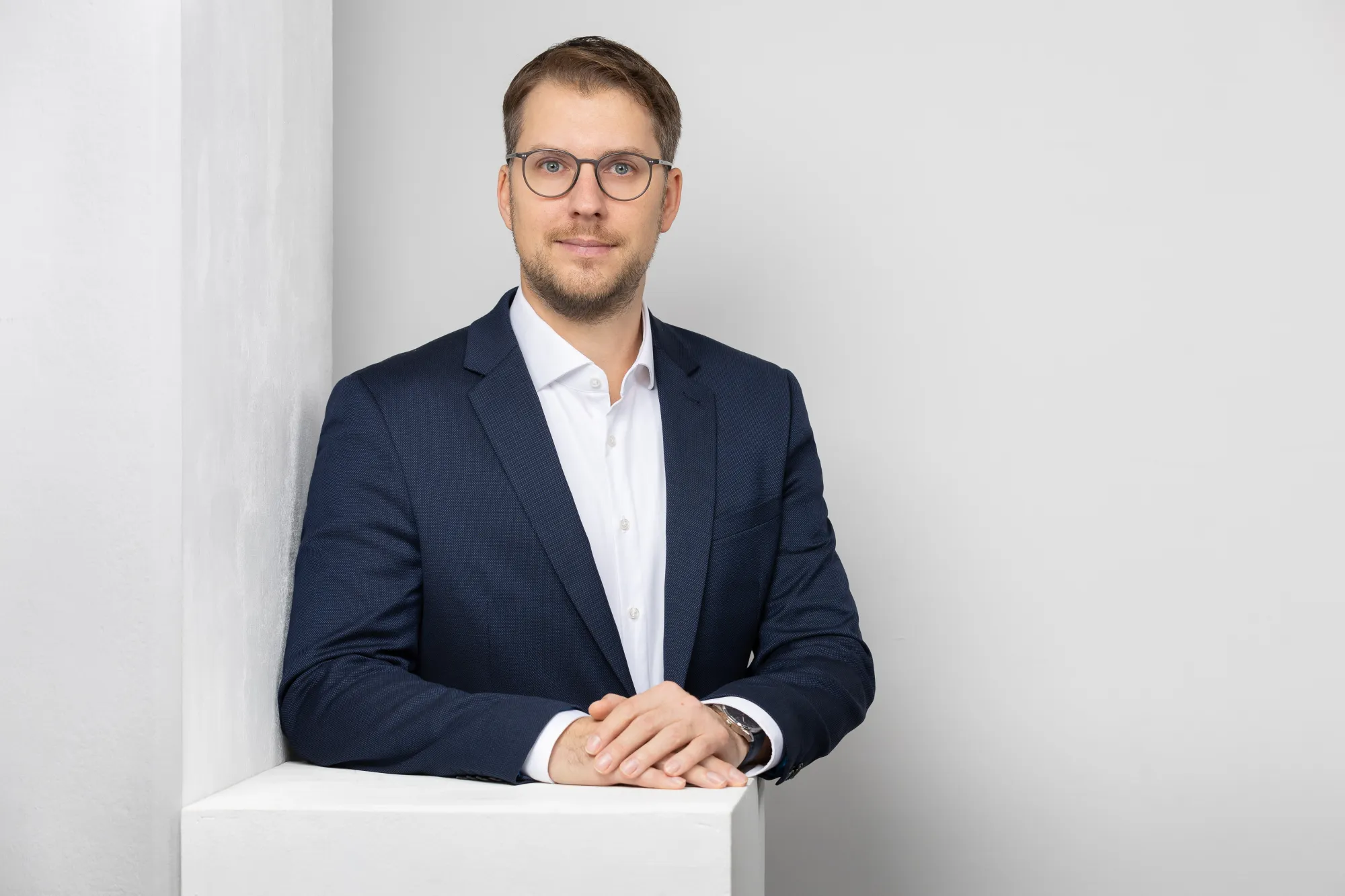
Theo Rhodes, creative lead at Experience, says the alcohol sector is navigating a rapidly shifting landscape as it evolves around drinking habits like ‘zebra striping’ among younger consumers, the growth of low/no-alcohol alternatives and the tightening restrictions on traditional paid advertising.
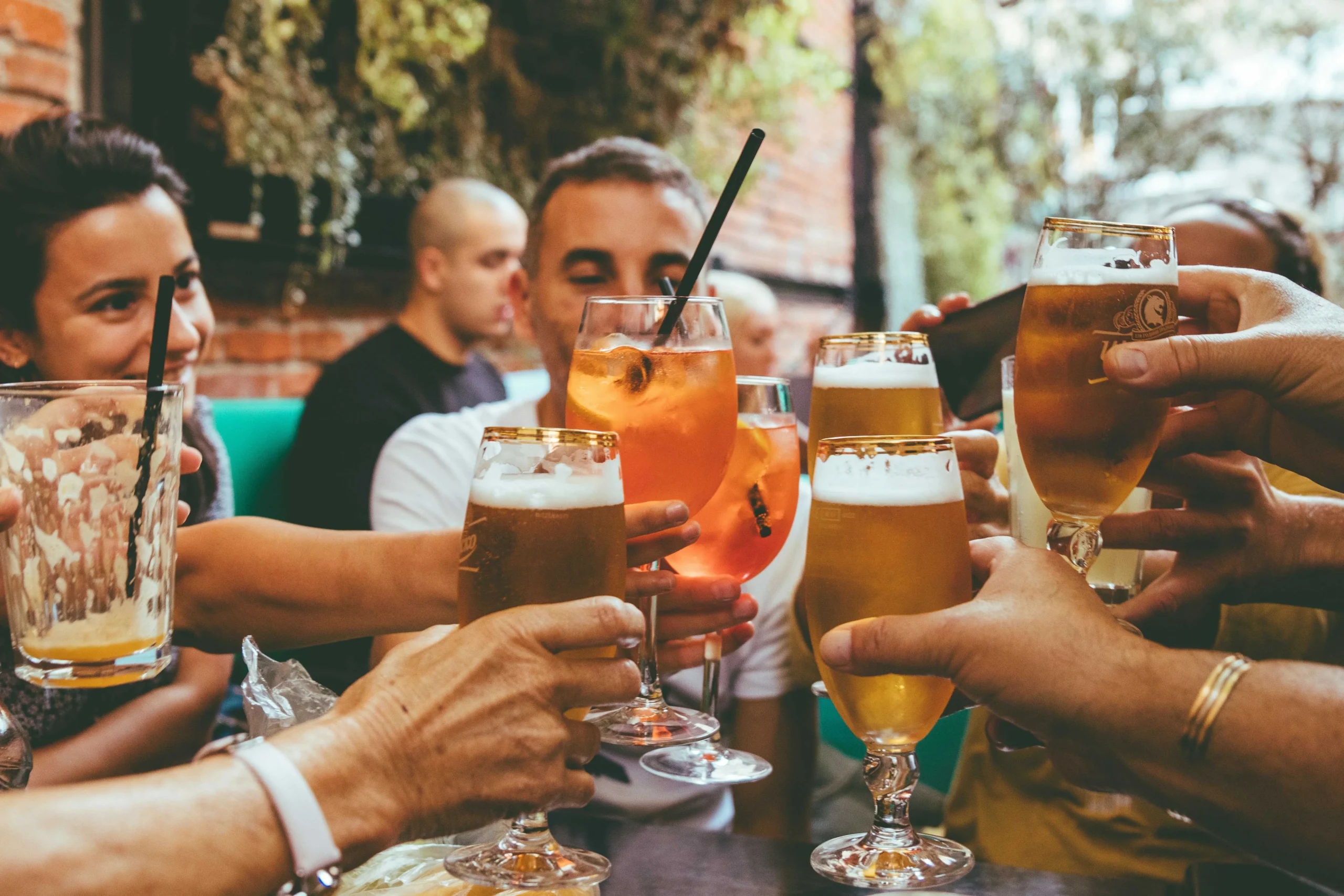
A survey last year by drinkaware revealed nearly half of young adults in the UK (49%) now choose no and low-alcohol drinks to moderate their consumption, with 44% of all adults following similar patterns. Despite this fundamental shift in drinking behaviour, many brands are still relying on one-size-fits-all marketing approaches that no longer connect with increasingly diverse audience segments. Alcohol brands must recognise that attention alone is no longer enough, audiences now want participation.
The broadcast way of thinking is limited
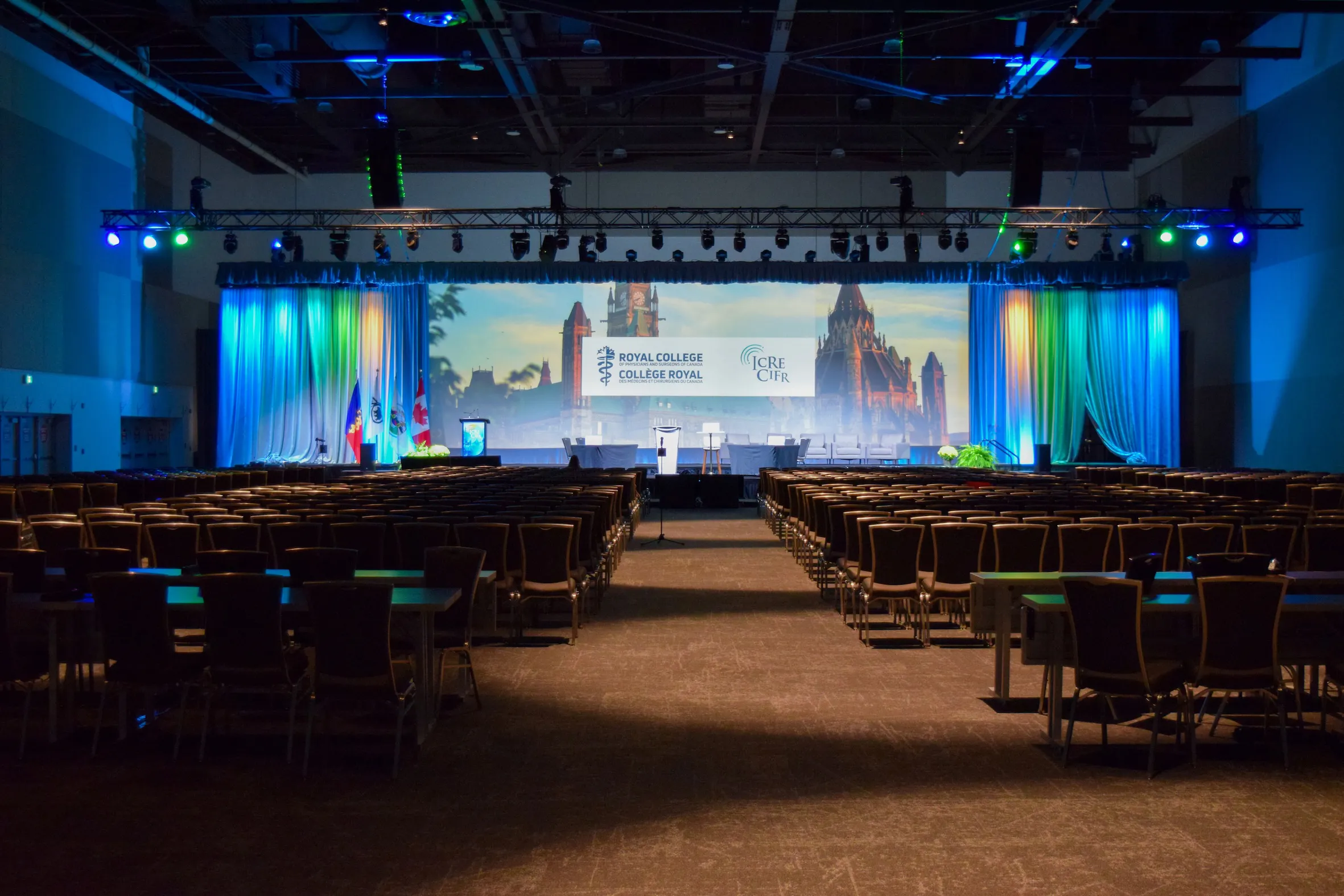
The alcoholic drinks category has long operated on a relatively straightforward model which is to achieve share of voice, drive purchase intent and repeat. We now live in a media environment defined by algorithms and growing consumer distrust of digital content, which has lessened the impact of broadcast messaging. Audiences have become good at filtering noise and instead they increasingly seek out meaningful, in-person experiences.
A well-crafted live experience on the other hand, gives people something to feel, touch, taste and talk about, producing moments that actually stick. This is what builds lasting brand equity and shifts consideration in ways that a pre-roll ad or sponsored post simply cannot replicate.
Brands worldwide are starting to take notice and activate. In the US, PATRÓN Tequila’s PATRONDesert campaign at Coachella and Stagecoach festivals demonstrated determined brand investment in personalised, high-quality physical experience, combining the physical experiences with an influencer strategy that generated 652 pieces of organic social content, and resulted in 183m+ impressions. Each piece of content was created during the festival event: that real-time authenticity then increases trust and desirability.
Going beyond conversation and entering culture
Red Bull didn’t build its reputation just by spending big, it built it by showing up consistently and credibly. The brand was front and centre in the places and moments its audience actually cared about like festivals, extreme sports and underground culture. Over time, those repeated real-world touchpoints compounded into something no media plan can buy, a brand that people carry with them, not just one they recognise.
For drinks brands squeezed by tightening ad restrictions, this is a genuinely useful playbook. Because when you show up authentically at the moments and places your audience already loves, you don’t need to advertise, you are earning your place in the culture.
Being memorable matters more than ever
The biggest challenge when making the case for experiential investment is measurement. Traditional performance metrics like impressions, CTR, short-term uplift, were designed for a different era and a different kind of marketing. They undervalue the long-tail impact of lived experience on brand equity, advocacy and loyalty.
The brands that are seriously investing in experiential need measurement frameworks that capture cultural relevance, sentiment shift, community engagement and the compounding value of advocates who become genuine brand ambassadors, not just buyers.
Agility is a competitive advantage
In a world that moves at the speed of a trending moment, the ability to respond, activate and show up in real time is a genuine differentiator. Brands need to invest in the creative, logistical and strategic infrastructure that allows them to activate quickly and authentically as that will make them stand out in a sea of sameness.
As drinking habits continue to diversify and advertising restrictions tighten further, doubling down on IRL experiences will enable alcoholic drinks brands to retain cultural relevance and commercial momentum. It is clear that audiences have stopped tolerating inauthenticity, so the only meaningful response is to show up better, not louder.