Why the Swiss city prefers to keep a low profile. By John Keenan Nestled on the shores of Lac Leman, cradled by the Jura mountains, Lausanne is not a city that draws attention to itself. Indeed, its self-effacing style is the key to its success. The city is home to the International Olympic Committee where, until the 1960s, the determinedly circumspect Madame Lydie Zanchi handled the administration of this global body in the back of a watchmaker’s shop. Nowadays, Lausanne is home not only to the ultra modern headquarters of the IoC, but also the Court of Arbitration for Sport and 55 international sport associations, all of whom no doubt appreciate its aura of quiet competence. Event organisers too value the discreet charm of Lausanne. It was in the sybaritic surroundings of the Beau Rivage Palace hotel that six world powers thrashed out the deal with Iran over its nuclear programme. Meetings don’t get more sensitive than that and it speaks volumes for the efficiency of the hotel staff that the only person to risk a breach of protocol was US Secretary of State John Kerry, when he took a stroll to the nearest pub, the White Horse bar, to be met with a barrage of demands for selfies more usually associated with his boss. This high-powered event is proudly cited by Lausanne Convention Bureau, part of Lausanne Tourisme, which represents the meetings and conventions offering of the city. The city, within easy reach of Geneva airport by reliable train service, boasts more than 6,000 beds in 60 hotels. Aquatis is a three-star hotel and conference centre located in Lausanne-Vennes, Switzerland. It was created as an integral element of a planned aquarium and the 143-bedroom hotel and conference centre opened for business in March 2015 ahead of the official inauguration event. Owned by the Boas Swiss Hotels, the hotel is located just off the A9 motorway, at the crossroads of the north-south road. The Aquatis Hotel has direct access to the M2 Metro station, which is situated directly below the building, providing direct connections to the city centre. The SwissTech Convention Center opened in April last year as part of the EPFL, the Federal Institute of Technology in Lausanne. The convention centre has seating capacity for a total of 3,000 people and comprises a large 2,205-seat auditorium, a 795-seat balcony, 3,700 sqm of exhibition space and 15 or so break-out rooms on the ground floor, all of them fully modular. In May, the centre played host to the International and European Associations Congress which welcomed over 400 delegates (see pages 32-34). Alongside all the sporty types, the city also regards itself as something of a cultural hub and museum venues for events include Musée de l’Elysée, Musée Olympique and Fondation de l’Hermitage. One issue, however, is threatening to stir the usually tranquil waters. Relations between Switzerland and the European Union have cooled following the Swiss vote to impose a ceiling on the number of foreign migrants – including citizens of the EU. The Swiss people – specifically 50.3% of voters – approved a referendum proposal to stop “mass migration”, which will tear up agreements with the EU on free movement of people and goods. The proposal, tabled by the right-wing populist UDC (Democratic Union of Centre) party had been condemned by Swiss business groups and opposed by the federal parliament, president and government. A spokesman for the Canton de Vaud, which oversees legislation in Lausanne, told CMW: “Multinational firms do not have any difficulties for hiring staff for the moment as the quota system for foreigners will only be introduced in 2017. In the future the canton will do the best it can to work in favour of the interest of the multinationals, as the aim of the canton is to keep multinationals in our region.”
Trending
Cairns doctor launches skin cancer conference, with a day on the Great Barrier Reef
1 week ago
Brand USA ‘reauthorising’ its former acting CEO and Visit California chief
1 week ago
Amex GBT names new VP for global strategic meetings
1 week ago
NZ National Party commitment to trialling paperless travel with Australia gains industry support
1 week ago
ATEC welcomes regional focus in Opposition WHM proposal
1 week ago
Wellington wins Indigenous Wellbeing Conference for 2027
5 days ago
Ottawa reports 50% surge in international association enquiries due to long-term strategy
4 days ago
Advertisement
Essential Reads
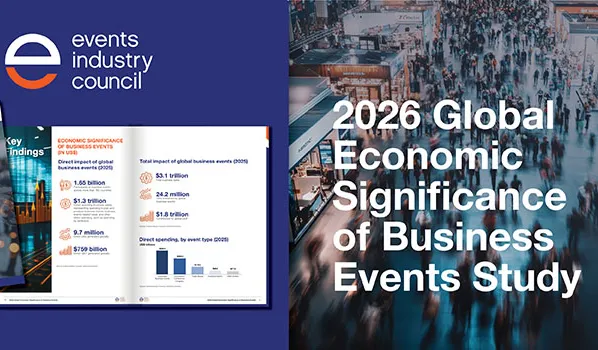
New EIC study finds business events contribute US$1.8 trillion to global GDP
Analysis
Washington DC bucks trend of US tourism decline with record visitor spending
North America

A look back at November’s IBTM and how event formats are “festivalising”
IBTMWorld

US airports face potential closures amid government shutdown
Business Travel
The countries with the highest business travel spend in the world
Business Travel