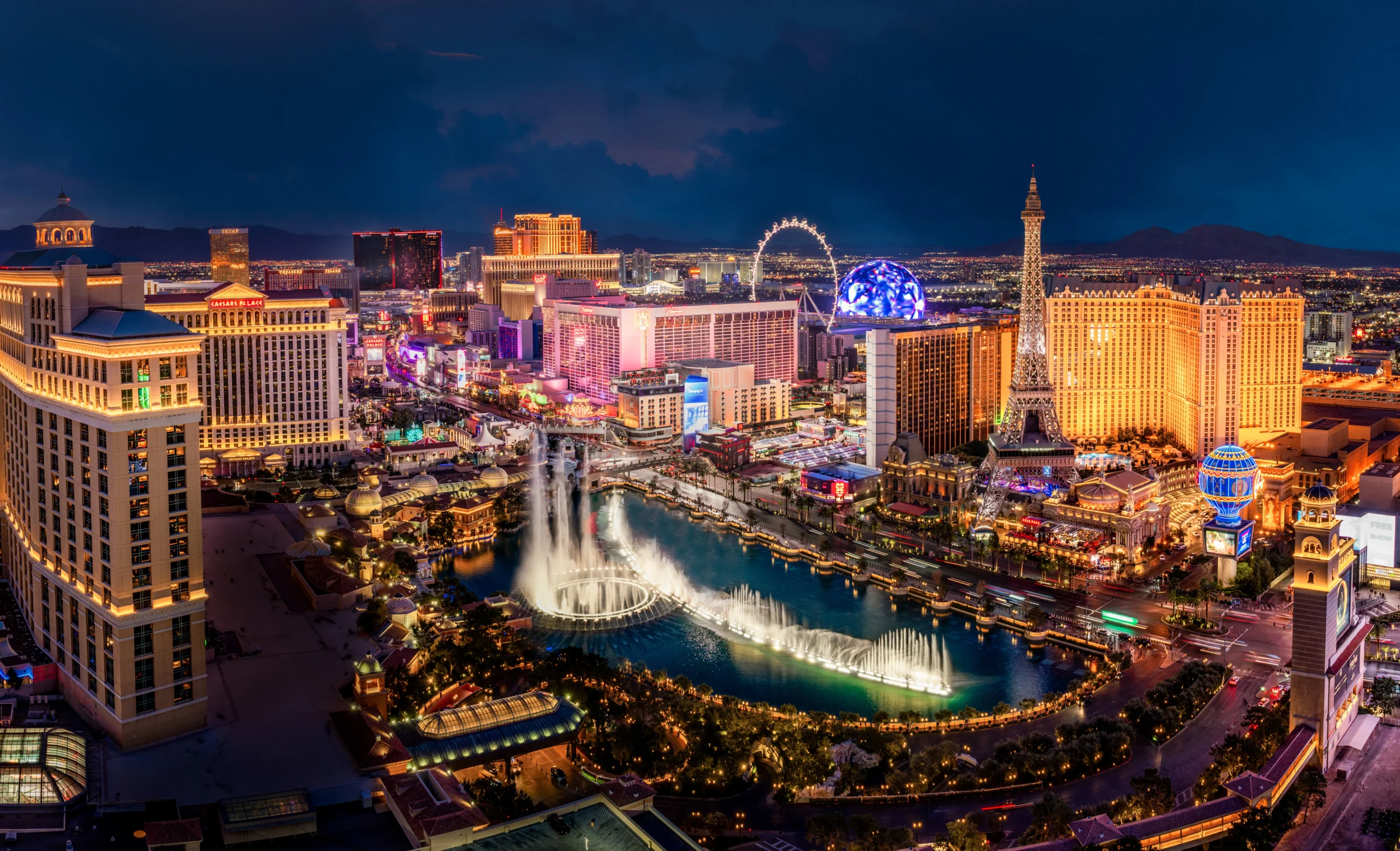
Every city has its landmarks. Some have their skylines, others their culture or cuisine. But in the world of meetings and events, a single event can do something far more powerful – it can redefine a destination entirely.
In this new series, we’ll be exploring the events that have put cities on the global stage. Not just the headline numbers or economic impact, but the deeper story: how one event can shape perception, attract investment, and turn a location into a go-to destination.
Each instalment will focus on one event and one city, uncovering how the two have grown together and what the industry can learn from their success.
In this edition, we explore the relationship between CES and Las Vegas – an event that’s become synonymous with the city, drawing more than 148,000 delegates and filling over 2.6 million square feet in Las Vegas, including the Las Vegas Convention Centre.
We speak to Kinsey Fabrizio, president and CEO of the Consumer Technology Association (CTA, owner and producer of CES), and Steve Hill, president and CEO of the Las Vegas Convention and Visitors Authority.
A city built to say yes
Las Vegas has hosted some of the world’s largest business events for decades, and according to Steve Hill, president and CEO of the Las Vegas Convention and Visitors Authority, that staying power comes down to scale combined with a willingness to adapt. He says: “Las Vegas takes great events and elevates them.”
The city’s meeting infrastructure is hard to match – the number and variety of venues, the volume of hotel rooms, and the range of amenities, all backed by strong global air connectivity. But scale alone doesn’t explain organisers’ loyalty to the destination.
Shows that rotate between cities report attendance nine to ten per cent higher in Las Vegas than anywhere else on their circuit – a difference Hill attributes to service as much as size. He says: “It’s also the service aspect and the city’s ability to elevate an event – to do things that are hard to do elsewhere, or that other places don’t do as often. We do them regularly, and that drives attendance – people want to come to Las Vegas as well as to the event.”
Hill adds: “The energy of the city, from what meeting organizers tell us, lends itself to better networking, better innovation, more interaction, and more deals getting done. All of those things come together to make Las Vegas a great place for meetings and trade shows.”
A partnership built over decades
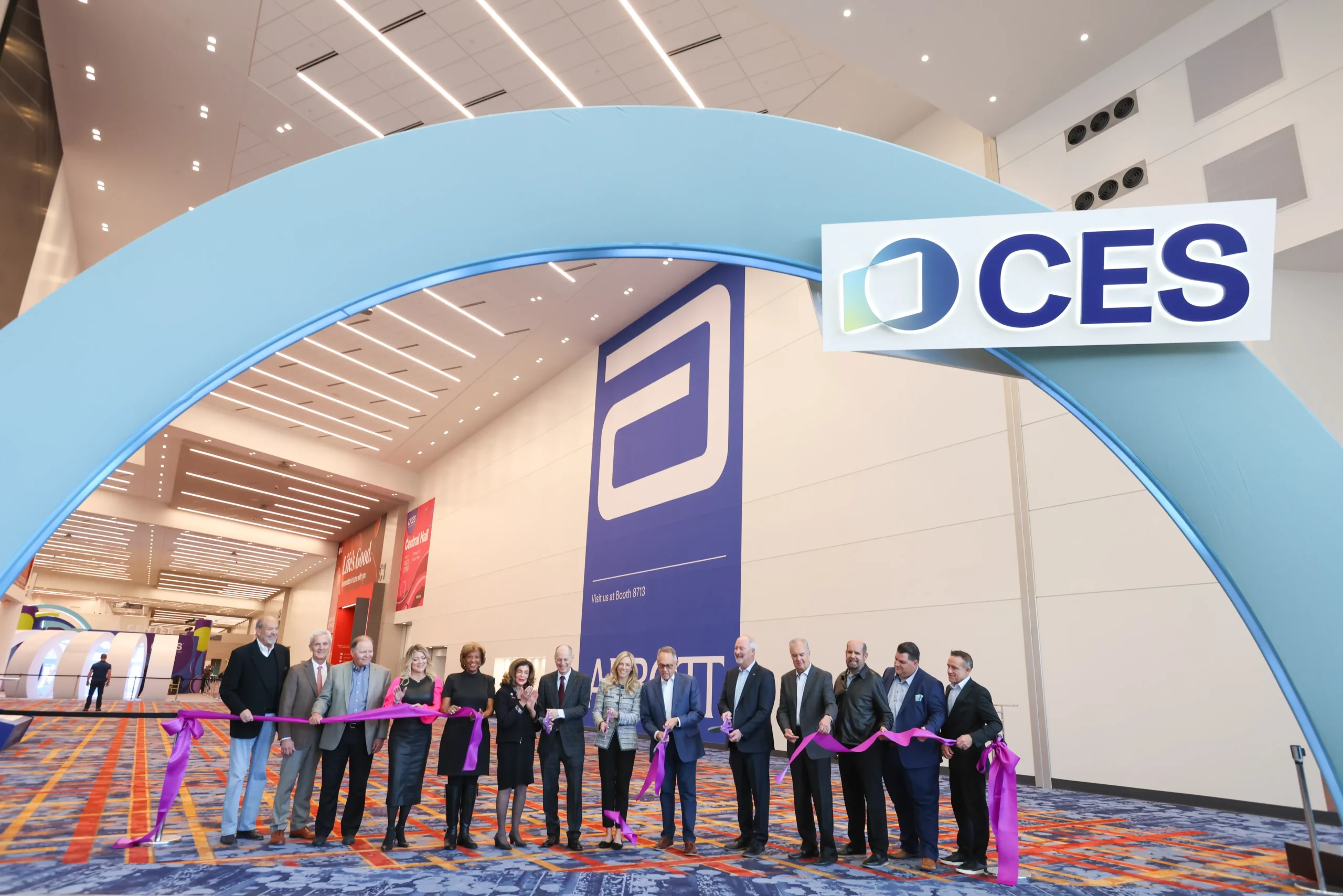
For more than four decades, Las Vegas and CES have grown up together, each shaping the other into what it is today. Fabrizio traces the relationship back to CES founder Jack Wayman’s decision to bring the show to Las Vegas – “the real turning point” that established the city as a destination for business events, thanks to its international airport, strong hotel stock, and range of event and dining options. 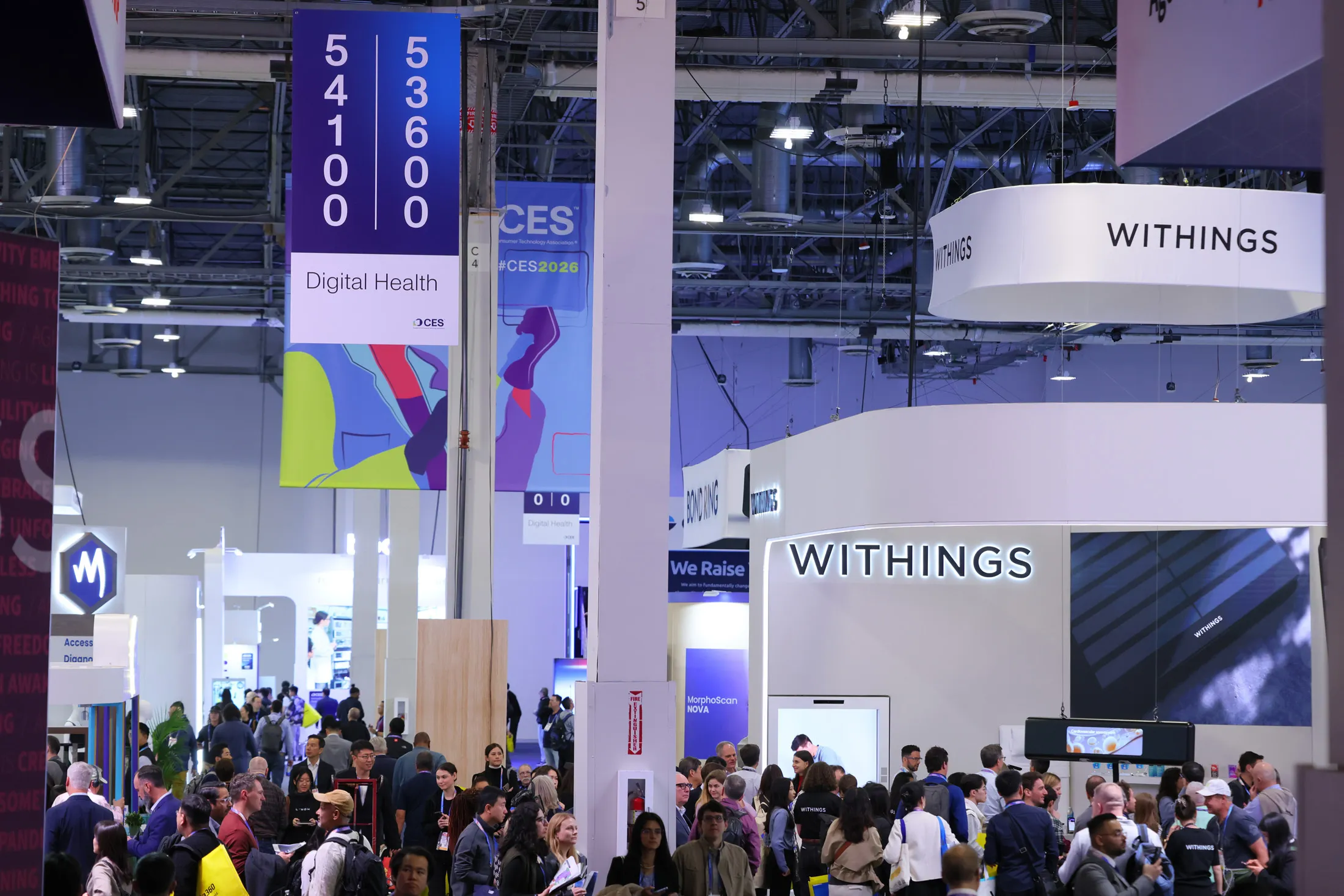
She points to Las Vegas’s expo centres as a particular strength: “I think three of the best expo centres in the world are in Las Vegas, and CES uses all three of them.”
Beyond floor space, she says, that gives exhibitors flexibility – meeting rooms, entertainment, restaurants and nightlife – alongside the ease of getting in and out, which together “creates a wonderful hub and destination for business events.”
CTA works closely with its Las Vegas partners year-round, keeping the city updated on hotel block launches, registration timing, and how the show is pacing. “When registration opens we connect very regularly so the city and destination are prepared,”
Fabrizio explains. “CES is a huge economic driver for Las Vegas, so it’s important we work closely with the city.”
That collaboration extends beyond logistics. Las Vegas Mayor Shelley Berkley attends CES and works closely with CTA, and the organisation also invests directly in the city – funding the solar power for the “Welcome to Las Vegas” sign and contributing towards the city’s canine section, including dogs specifically trained to track an explosive trail.
CTA maintains close ties with venue partners such as LVCVA, the Venetian and MGM, and meets regularly with Nevada government officials, including Senators Catherine Cortez Masto and Jacky Rosen, who also attend the show.
As Fabrizio sums it up: “It’s really important to connect with the host city in many different ways – venues, politicians, partners – and develop a really collaborative and positive relationship.”
The CES effect
CES is a massive economic driver for Las Vegas, with the estimated economic value at over $38 billion. 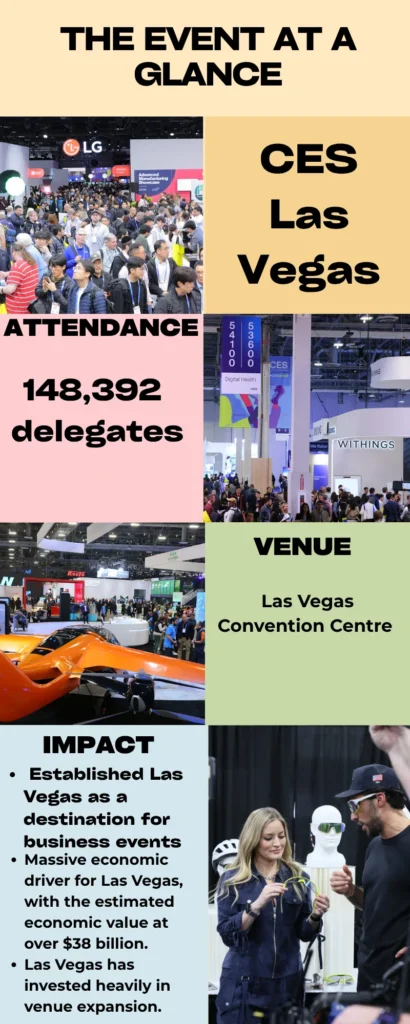
Hill says: “There’s just no show like CES to start with. We’ve become very accustomed to having CES right after New Year’s – from our standpoint, if CES wasn’t here, that week would be exceptionally slow. Instead, it’s one of the best weeks of the year in Las Vegas and that matters a lot.”
He points to ConExpo, which Las Vegas hosts every third year, as a comparison: in the years it takes place, March revenue per available room runs about 9% higher than in years it doesn’t. “It’s remarkable how important these big trade shows are,” Hill says. “We don’t get to see that effect with CES, because it’s here every year” – its impact is baked into the city’s economy year-round rather than showing up as a spike.
Beyond the numbers, Hill argues CES has shaped Las Vegas’s identity as much as its revenue: “CES matters enormously to the economy of Las Vegas, and probably even more to the brand of Las Vegas. CES came to Las Vegas back when the city wasn’t known as a place for business – it was a place to get away, to celebrate, to have a good time – but CES and Las Vegas are synonymous now, and that broadens our brand and our opportunities.”
The innovation and development of Las Vegas
Over the past decade, Las Vegas has invested heavily in venue expansion. The Las Vegas Convention completed a $600 million renovation of the LVCC’s legacy campus.
The transformation began in 2023, building on the customer experience, technology and modern design introduced with the $1 billion West Hall in 2021, extending those elements across the 4.6 million-square-foot campus. 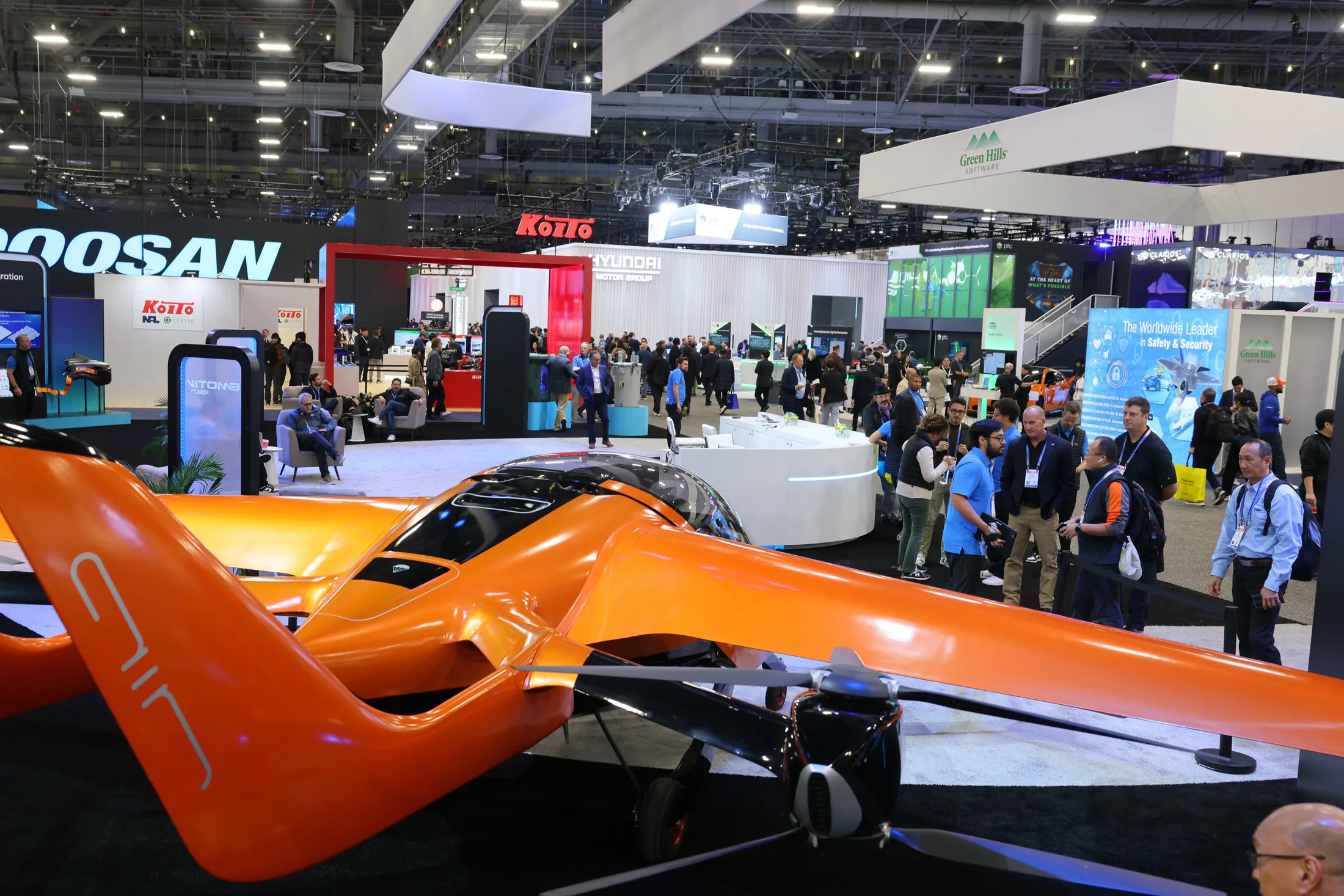
Fabrizio says: “I do think that CES probably drove some of the expansion and growth in the city. It drove demand for more expo space and more business events. The city has grown beautifully, and we have so many options for different types of activations at CES – thanks to the city and all of the different venues and spaces they create for trade shows. Whether it’s a unique speakeasy an exhibitor wants to buy out for hospitality and meetings, or the really beautiful and technologically advanced expo hall at the new Las Vegas Convention Centre – there are so many options.”
She added: “As CES grew, the opportunity for more business events and expos in the city also grew. I think that’s a great partnership between the Las Vegas Convention and Visitors Authority (LVCVA) and CTA. We’ve always had a close partnership and been in close communication with them, and even worked together through the construction and growth of the city.”
Meeting the show’s logistical demands
A show of CES’s scale places huge logistical demands on its host city – and Las Vegas is built to answer them. Fabrizio says: “Las Vegas is the best city in the world for CES because it offers everything we need.”
The event requires vast amounts of expo and convention space for exhibitor booths, plus separate space for exhibitors’ own meetings.
Conference programming adds another layer, with over 400 sessions and around 1,400 speakers needing rooms ranging from intimate 50-100 person spaces to venues holding 500-600. Keynotes bring their own demands too – CES has used the Las Vegas Sphere,dthe Venetian and others for major presentations.
Fabrizio adds: “There are so many great theatres that give a keynote speaker the opportunity to really present their product launches, ideas and concepts in a way that works for them.”
Hotel capacity is equally critical: CES 2026 drew over 148,000 attendees, including more than 50,000 from outside the US, making a large hotel supply and strong international air links essential. Transport rounds out the picture, with Fabrizio praising the Las Vegas Monorail, Vegas Loop, taxis, rideshares, and the city’s ability to support a shuttle network: “Transportation within the city is fantastic – it’s really easy to get around. We also have shuttle buses for our attendees, and a great relationship with the different hotels and venues to make those shuttle buses fast, timely and easy to use during CES.” 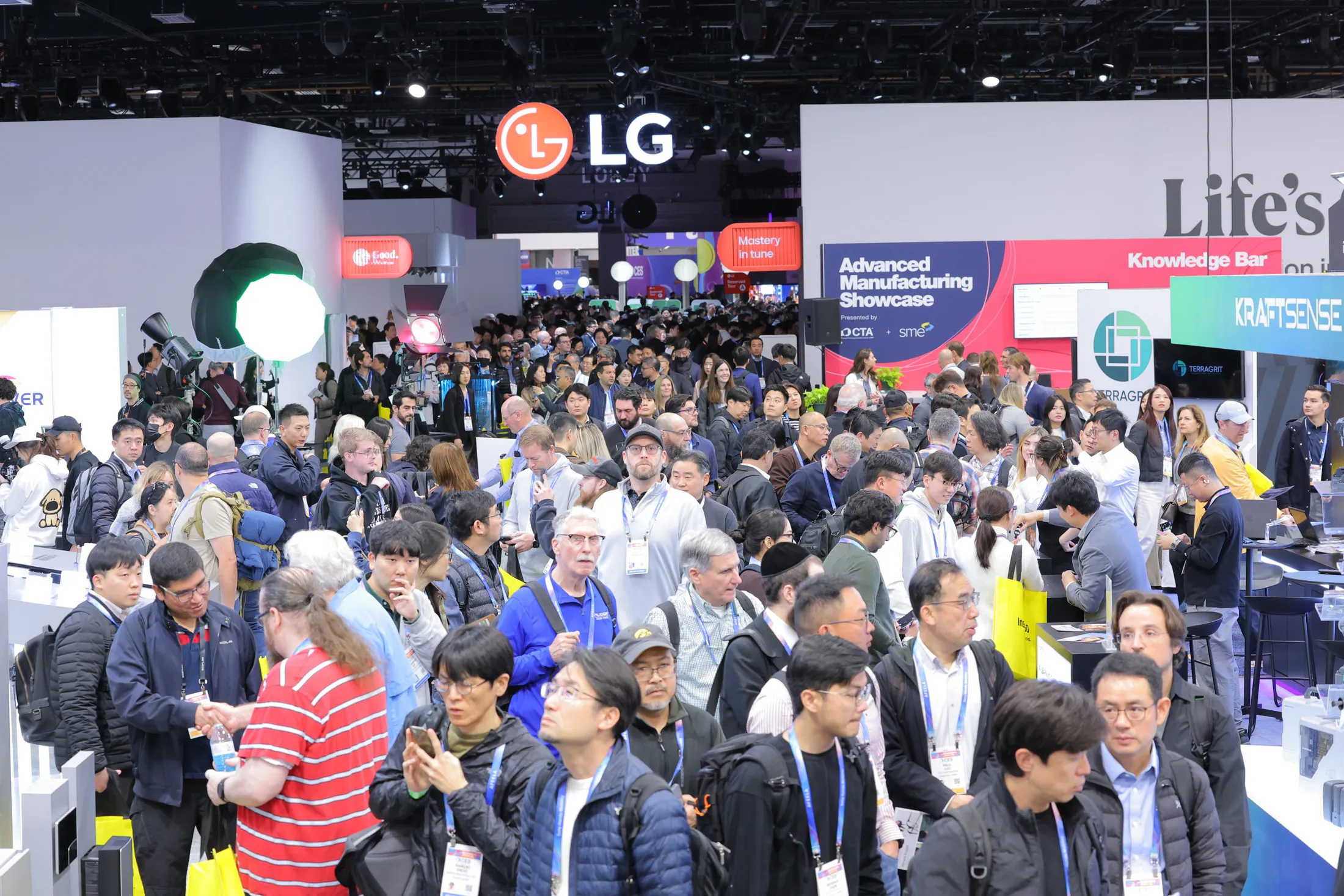
As a tech-focused show, CES has invested heavily in its app to match attendee expectations. It connects attendees with each other, offers indoor “blue-dot” navigation via beacons installed at the Venetian and the Las Vegas Convention Centre so people can find their way booth by booth, and shows live shuttle bus wait times.
As Fabrizio puts it: “You can access your entire schedule, use translation features, connect with other attendees, plan your day, and get notifications of when events are happening. Connectivity within the convention centre is also really important – good Wi-Fi and good experiences for exhibitors to demo their products is something every show really needs to focus on.”
Fabrizio also credits the city’s range of venues for giving CES room to grow: “The great thing about Las Vegas is that there are so many different options – if one venue was constrained, there are so many others to look at and be creative with.” She cites examples including creating an entirely new destination with C Space at ARIA, using the Cosmopolitan, Vdara and Bellagio for CES 2027, and staging a keynote at the Sphere – all evidence, she says, of the city giving CES “so many different options to expand and grow throughout the city.”
Lessons learned, lessons applied
Hosting an event at CES’s scale has taught Las Vegas lessons it now applies across other major events. Hill says: “I think Las Vegas offers CES everything we can towards what they need, but they continue to push us and raise the bar, and we keep responding.”
CES brings large numbers of dignitaries, which has taught the city how to deliver VIP-level treatment at scale – a skill now used for events like Formula One, the Super Bowl, and ConExpo. Hill says: “We know how to treat 100,000 people like VIPs at the same time because CES pushed us to be able to do that. Part of why we were able to expand and renovate our convention centre is because CES pushed the city to make that happen. They’ve been great partners to Las Vegas for four decades or more, and we don’t take that for granted.”
Air travel is another example: around CES in 2026, airlines added more than 60,000 extra seats to Las Vegas in support of CES, including approximately 20,000 from international markets – a practice now applied on a smaller scale for other shows too. Hill explains: “We look at where people are coming from and make sure we have enough flights. That flexibility we’ve learned – that’s been an advantage.”
Transport is a similar story. CES requires moving nearly 150,000 people around the resort corridor at once, and those lessons have scaled with the show’s growth from 40,000 to 150,000 attendees – including evolving transport options such as Uber and Lyft.
What’s next for Las Vegas and CES
Las Vegas has several major developments planned over the next five years, including a new baseball park for the A’s that will double as a trade show venue, plus the Hard Rock Hotel currently scheduled to open in late 2027 and potential plans for an NBA arena.
Hill points to further investment at the Convention Centre itself: “We’re essentially done with major expansion, but we’ve got $250-300 million worth of projects to finish the campus and elevate the experience for our customers and their customers.” There’s also the Las Vegas Loop, an underground transportation system that will connect the airport to hotel properties and the convention center, running from Fremont Street downtown south through the resort corridor to the airport and Allegiant Stadium. “There are 68 miles of that system land-use permitted, about 11 miles built so far,” Hill says. “We’ve got a way to go, but it’s going to start moving pretty quickly. Once it’s fully in place, it’s going to be a real game-changer for people coming to Las Vegas.”
On CES’s own evolution, Fabrizio points to the pace of the tech industry as both the challenge and the opportunity: “Our biggest opportunity is to continue to meet the moment and create new spaces for tech companies to showcase solutions that are solving the world’s biggest challenges at CES.” She cites CES Foundry – a new section of the 2026 show at the Fontainebleau dedicated to AI and quantum computing – as an example of that, adding that it’s CTA’s job to work with venues and customers on activation and sponsorship opportunities that help exhibitors get in front of the show’s more than 7,000 attending media.
Asked about the risks of staging an event at this scale, Fabrizio points to preparation rather than luck: “There are always risks with putting on any live event – we saw that in the pandemic. But as long as you’re planning, in constant communication, scenario planning, and working with your partners, venues and customers, you’ll be in good shape. That’s what we try to do – really listen to our customers and partners and make sure we’re delivering the highest quality show that meets the needs of our attendees, exhibitors and partners.”