The Events Industry Council (EIC) has released the latest edition of its Quarterly Global Business Events Barometer, revealing continued recovery and long-term confidence across the global business events industry, even as organisations navigate an increasingly complex geopolitical and economic environment.
The Q4 2025 Barometer shows that global hotel group room nights reached 97% of 2019 levels, reflecting sustained progress in event delivery, while request for proposal (RFP) activity remained above pre-pandemic benchmarks at 102%.
At the same time, the data highlights a notable shift toward longer-term planning, with RFP activity for events scheduled more than 12 months in advance continuing to grow.
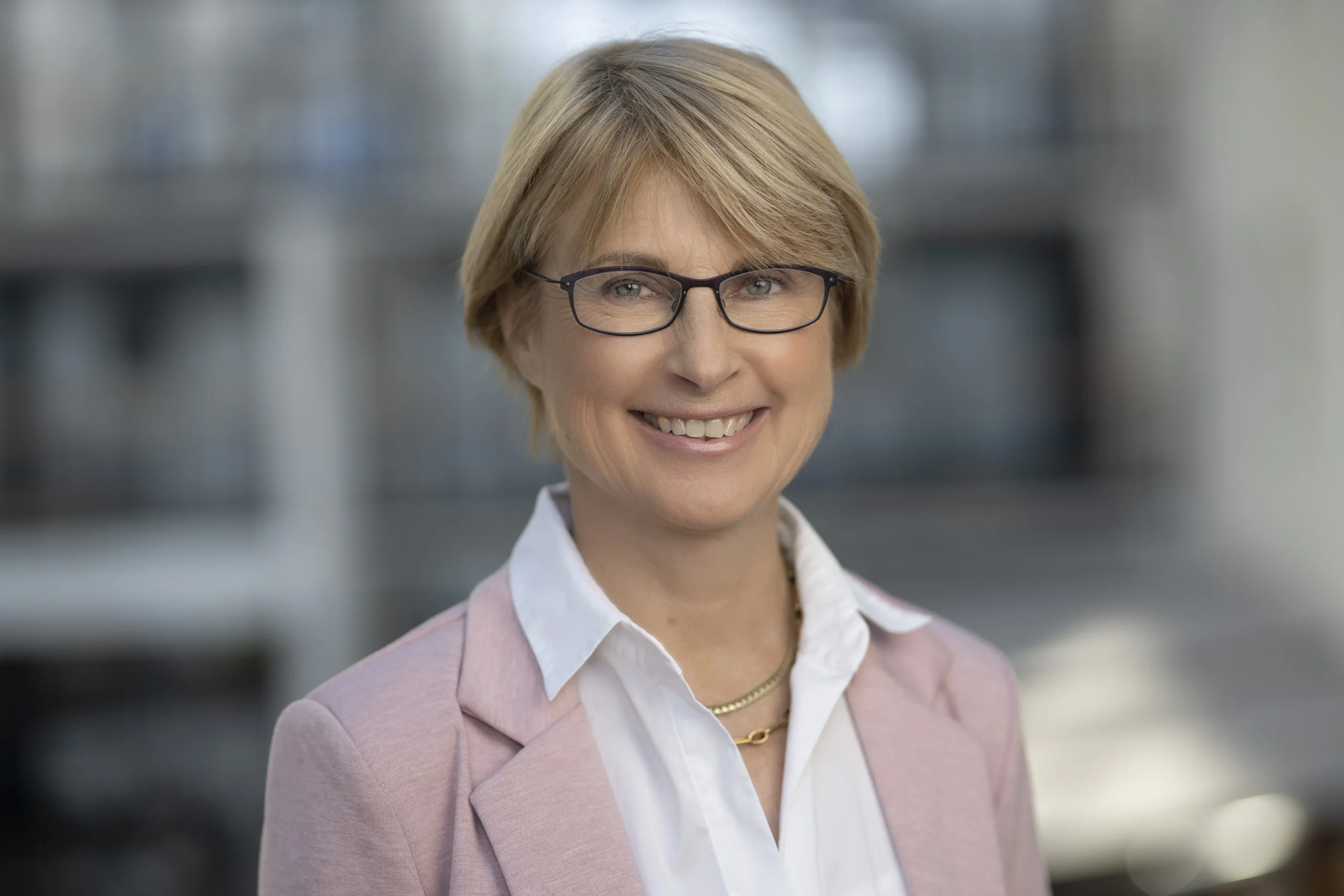
“The Q4 2025 data showed, despite uncertainty the year brought to our sector and global society, we continued to see that across our global community the demand for business events remained strong, and their value deeply understood,” said Amy Calvert, president and CEO of the Events Industry Council.
“As we move into 2026, while we believe that our sector now matters more than ever, the operating environment has shifted significantly. Last year closed with solid momentum and clear indicators of sustained interest in in‑person gatherings, but the early months of 2026 have brought new disruptions that are creating heightened uncertainty for our sector.”
“In the near term we anticipate it will reflect increased volatility related to the war in Iran and the resulting global impact on fuel supply, travel patterns, and economic confidence,” she said. “These emerging pressures underscore the importance of real‑time insights and coordinated industry response. We will continue to work closely with our members and partners including Oxford Economics to monitor the situation and provide data‑driven updates to help our community navigate this evolving landscape.”
The Q4 2025 Barometer points to persistent cost pressures, with global room rates averaging 139% of 2019 levels, alongside broader macroeconomic and geopolitical factors influencing near-term event activity.
“In the short term, organisations are navigating a complex mix of cost considerations, travel dynamics and global uncertainty,” Calvert added. “At the same time, there is clear, sustained belief in the long-term impact of bringing people together to drive collaboration, innovation and progress.”
“The rapidly evolving conflict in the Middle East underscores how deeply interconnected global organizations and economies have become,” said Adam Sacks, president, Tourism Economics, Oxford Economics. “Event plans, business decisions, and conversations shift rapidly. In our latest forecast update, we downgraded our outlook for global travel spending, with impacts concentrated in the Middle East, but higher oil prices and weaker economic prospects also playing a role. Tourism Economics expects global travel to remain resilient: we currently anticipate 6% growth in international arrivals this year – down from 8% previously, driven by the enduring importance of business events and travel.”
As EIC published its latest Barometer data, Oxford Economics prepared an up-to-the-moment Global Travel Outlook for EIC Members and key stakeholders, including scenarios for a prolonged Middle East conflict and surge in oil prices. View the report.